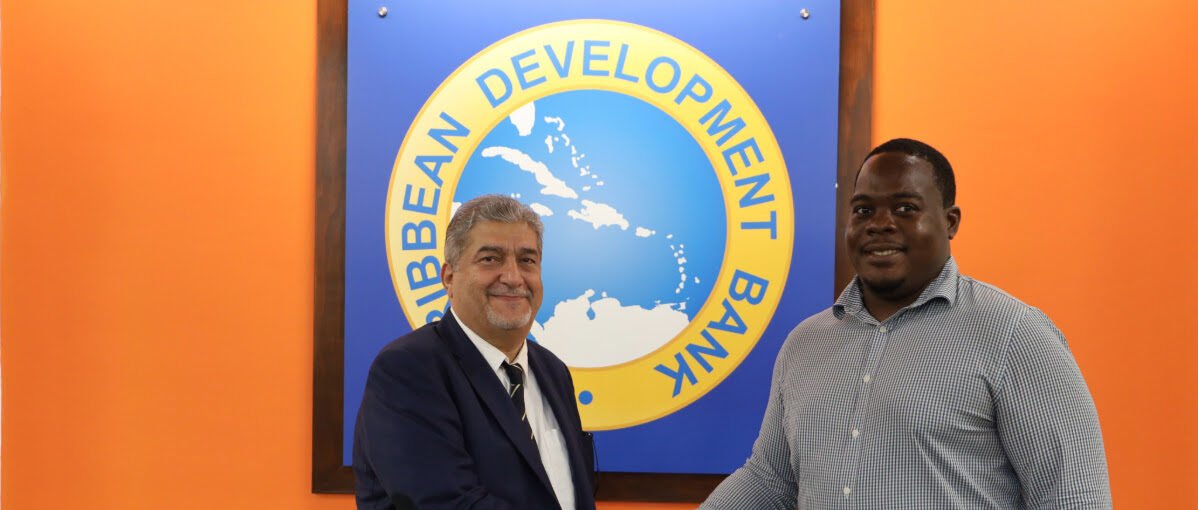

The Caribbean Development Bank (CDB) has unveiled a new regional initiative aimed at examining how Caribbean countries can work together to expand renewable energy generation, strengthen electricity networks, and create a more sustainable and resilient energy future.
According to a CDB press release, the newly launched Caribbean Regional Electricity Grid Interconnection and Renewable Energy Scaling Technical Assistance Project (CREGI-RES) will assess opportunities to better align renewable energy resources, regional electricity demand, grid interconnection options, and investment strategies into a practical roadmap for the Caribbean.
The Bank described the project as a significant step in advancing regional energy cooperation and exploring solutions that could reduce the region’s long-standing dependence on imported fossil fuels.
As part of the initiative, CREGI-RES will evaluate the feasibility of greater regional integration, including submarine electricity interconnections between countries, upgrades to transmission infrastructure, and expanded deployment of renewable energy technologies. The assessment will also examine how these measures could help lower electricity costs, improve energy security, enhance climate resilience, and reduce exposure to fluctuations in international fuel prices.
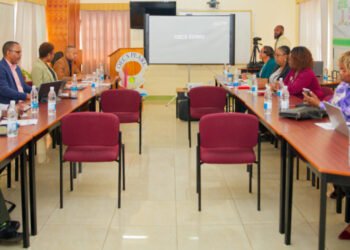
Speaking at the launch, Mr. L. O’Reilly Lewis, Director of CDB’s Projects Department, highlighted the value of regional collaboration in addressing shared energy challenges.
“Regional cooperation through this Technical Assistance unlocks opportunities individual countries cannot achieve alone. The potential benefits could be significant and now must be tested through rigorous analysis,” explained Mr. L. O’Reilly Lewis, Director of CDB’s Projects Department.
The initiative comes as many Caribbean nations reportedly continue to rely heavily on imported petroleum products to meet their energy needs, contributing to some of the highest electricity costs in the world. While the region possesses substantial renewable energy resources—including geothermal energy, offshore wind, solar power, and hydropower—these technologies currently account for only a small share of installed electricity generation capacity.
Under the programme, a dedicated Grid Interconnection and Renewable Energy Scaling Advisor will be appointed to lead the development of a comprehensive regional roadmap. The roadmap will address issues related to electricity grid interconnection, renewable energy expansion, and the creation of regional power markets.
The project is also expected to establish thematic working groups and facilitate stakeholder consultations across the region. These activities will include workshops and country-level discussions designed to identify and address regulatory and institutional challenges that may hinder investment in the sector. A key objective will be creating conditions that attract long-term private-sector financing for clean energy projects.
CDB reports that funding for the Technical Assistance project totals US$1.5 million and is being provided through CDB’s Special Funds Resources, supplemented by contributions from several development partners. These include the European Union Caribbean Investment Facility (EU-CIF) Geothermal Risk Mitigation Programme, Agence Française de Développement, and the Government of Canada through the Sustainable Renewable Energy Generation (SuRGE) programme.
Implementation of CREGI-RES is expected to continue through the early part of 2028, with the first outputs from the regional roadmap anticipated in 2027.
According to the press release, the initiative is expected to help identify viable investment opportunities that could support increased renewable energy generation, lower carbon emissions, more affordable electricity, enhanced climate resilience, and broader participation in the clean energy workforce. However, CDB noted that achieving these outcomes will depend on the findings of detailed technical, financial, environmental, social, and institutional assessments, as well as future investment decisions by participating countries and funding partners.
CREGI-RES serves as a flagship project under CDB’s Accelerated Sustainable Energy and Resilience Transition 2030 (ASERT-2030) Framework and supports the priorities outlined in the Bank’s Strategic Plan, which emphasizes green energy investments across its Borrowing Member Countries.
The project also aligns with the broader CARICOM energy agenda and international climate commitments under the Paris Agreement, reinforcing the Caribbean’s ambition to play a leading role in the global transition toward clean and sustainable energy.