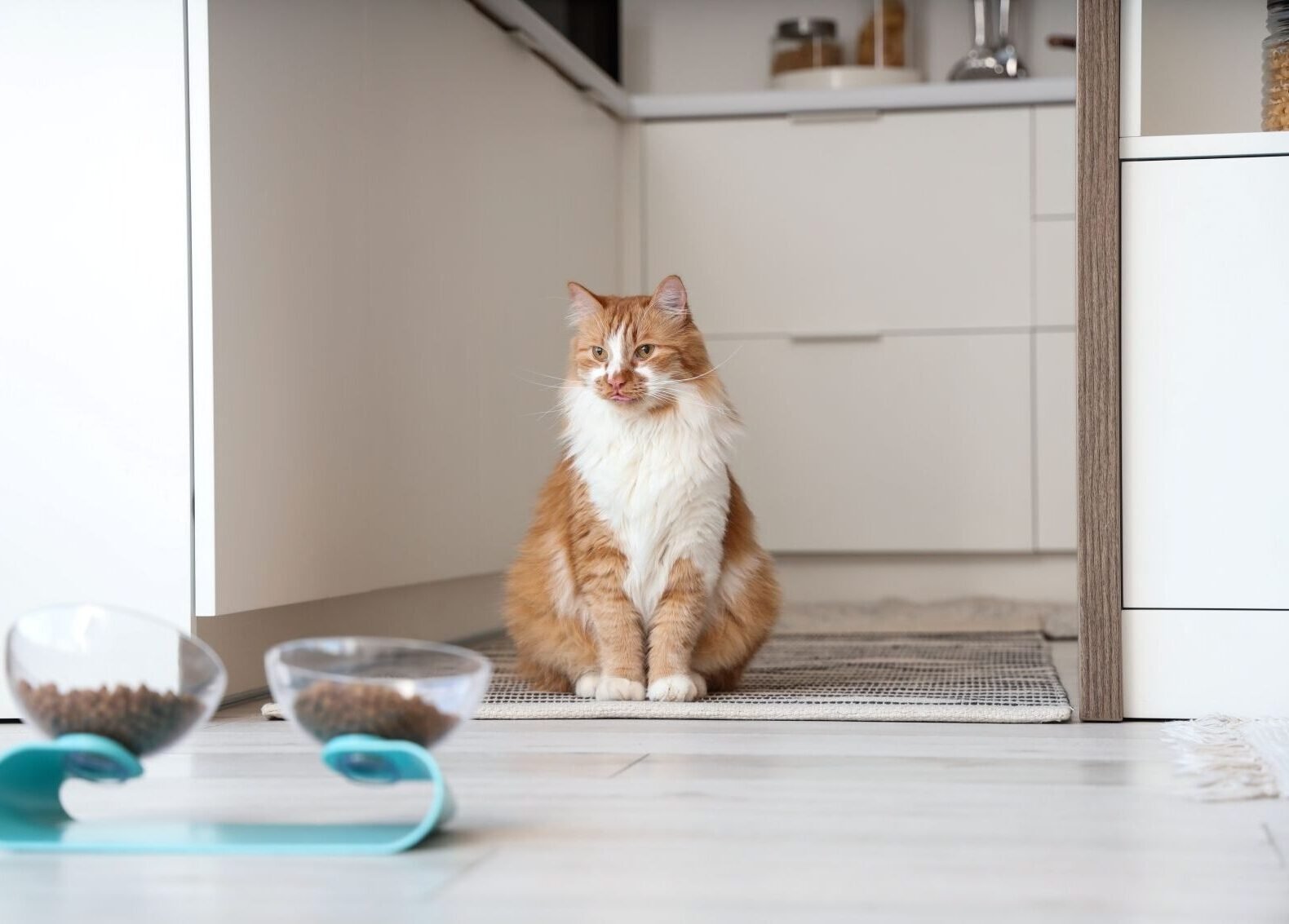
Each cat she has her own obsessions with food. Some “disappear” the contents of their bowl as if they have days to eat, while others eat a few bites and then ostentatiously walk away, leaving half the meal behind.
For years, many guardians of cats in the second category they attributed this behavior to the whim of their pet, perhaps feeling somewhat… inadequate because they fail to find one food which satisfies the “queen” of their house. However, a new study from Japan comes to give a very simple explanation, which has nothing to do with the personality of our beloved felines, but neither with the taste of the food.
As it turns out, the explanation of the “half-empty bowl” mystery may ultimately lie in its smell.
The boredom of the same smell
According to the study published in the scientific journal Physiology & Behaviorcats seem to gradually lose interest when repeatedly exposed to the same food odor. The researchers from the Iwate University in Japan they found that even when the food remains exactly the same, a new smell can re-awaken their appetite, paving the way for new practices in caring for our beloved creatures.
As part of the experiment, 12 cats were asked to eat six times in consecutive cycles with short breaks between meals. When they were constantly offered the same food, the amount they consumed gradually decreased. But when the researchers changed the food at the last meal, or even just the smell around it, the cats became more interested in the contents of their bowl again.
The team also found that continuous exposure to the same odor between meals reduced the amount of food the cats consumed, while the presence of a different odor helped keep their appetite higher throughout the feeding window.
What this means for cat guardians
Scientists believe that behind this behavior is a phenomenon called “olfactory familiarity”. This practically means that the more a cat is exposed to the same smell, the less it will respond to it. Instead, a new scent brings about a small “reboot” of her appetite, no matter how full she may feel.
Beyond the scientific explanation behind feline eating habits, the researchers believe the study’s findings could also have practical value for millions of pet owners. As they note, this is the first scientific indication that olfactory familiarization and reactivation may be behind domestic cats’ preference for frequent, small meals throughout the day.
This observation may be useful for new feeding strategies, especially for cats with reduced appetite. Alternating scents or different types of food could help elderly or sick pets who have trouble getting enough food. In addition, the findings may also find practical application in the pet food industry, with the development of foods that rely more on the differentiation of odors to keep the interest of their “consumers” alive.
Boredom isn’t always to blame
While the new research focuses on the role of sniffing in feline eating behavior, there are of course many other reasons why a pet may not empty its bowl. In several cases, the explanation is perfectly normal: unlike dogs, cats naturally prefer to eat small and frequent meals, so large portions just tire them out.
Other times the problem may be related to the food itself. Cats are particularly sensitive to change and a new taste or texture often takes time to become accepted. At the same time, treats and “snacks” during the day may reduce their interest in the regular meal.
Even the circumstances surrounding a meal play an important role. A deep or narrow bowl which disturbs their whiskers, a noisy space or the presence of other pets can make a cat feel uncomfortable at mealtime.
However, when decreased appetite occurs suddenly or persists, experts warn that there may be an underlying health problem that needs to be investigated. Dental problems, digestive disease, kidney disease, or any disease that causes pain, nausea, or changes in smell can significantly affect a cat’s appetite. Especially if the anorexia is accompanied by symptoms such as weight loss, lethargy, vomiting or changes in behavior, a visit to the vet is required as soon as possible.