
Cars will be electric and driverless – let’s not forget why
03 Nov 2026
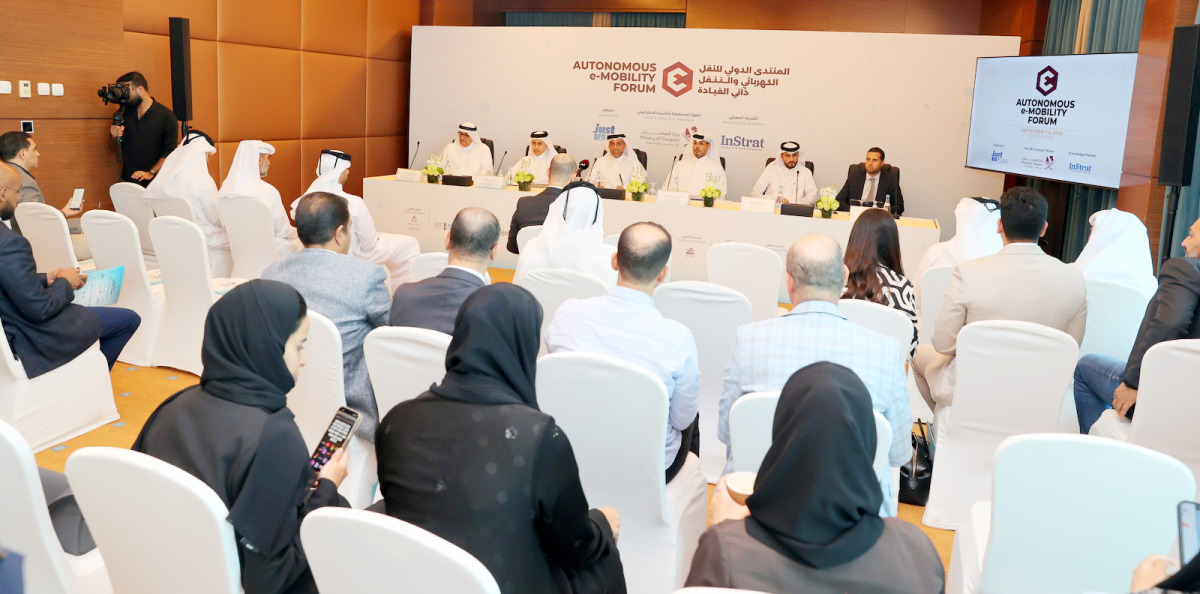
Just little time down the line from the recently concluded second edition of the Autonomous e-Mobility Forum in Doha, the conference’s contribution to this important conversation has noticeably raised the knowledge levels among many more than perhaps expected.
This fall in Qatar, you may well have received a corporate gift bearing some kind of illustration of a futuristic e-vehicle. You may have seen invitations to a host of expert seminars and workshops on the fast-emerging consulting needs around driverless mobility, or you may simply have felt that key regional projects, initiatives, and events around intelligent transport architecture are gaining significant momentum and attracting greater, better-informed interest among a much wider public representing tomorrow’s users of such future modes of transport.
The term ‘autonomous electric mobility’ and everything attached to it have entered broad societal awareness beyond the circles of academics, industry experts, and policymakers. That is a good and necessary thing, as with any profound, even revolutionary, change that requires public explanation. The event is also a public diplomacy success for Qatar, which stands firmly at the forefront of this worldwide dialogue and convenes what has become a pathbreaking platform on a topic of global urgency.
Delegates from 68 countries visited Doha for the 2026 Forum, which brought together more than 1,500 attendees, 71 speakers, and 33 exhibitors to work through what it will take to put driverless and electric transport into everyday service. That speaks for itself.
So, why urgent?
The newly introduced community program, alongside the event’s expert-only component, provided insights into many of the questions people have about the transition. Most of them were very practical. The sessions saw heated discussions about whether driverless cars can be trusted with human lives, how the actual chit-chat between machines and humans should unfold, and what jobs and educational pathways autonomous e-mobility will create. Very much front of mind were understandably also questions about availability, cost, mere practicability, and lifestyle.
While such a public pivot from theoretical concepts towards the real-world, not-so-distant future speaks to the conference’s success in fulfilling its very objectives, the original motivation for electric transport innovation should not be allowed to fade into the background. Excitement about technological advancement is justified and beneficial for the development of this new business sector, but there is more to it. Today, the planet’s climate crisis remains fundamentally unresolved, with many of its impacts intensifying.
According to the World Meteorological Organization (WMO), 2025 was one of the three hottest years ever recorded, at approximately 1.43°C above the pre-industrial average. All years from 2015 to 2025 rank among the warmest in the observational record. A recent United Nations report, meanwhile, is sounding the alarm that global temperatures could rise by 2.8°C above pre-industrial levels by the end of this century under current policies, further increasing the risk of climate-related disasters, such as floods, heatwaves, and wildfires. The globe continues to heat up and the challenge remains to avert a scenario in which many regions become increasingly difficult to inhabit.
For the Gulf, these signals are especially tangible. The WMO’s first State of the Climate in the Arab Region report found that 2024 was the region’s hottest year on record, with warming accelerating to roughly twice the global average in recent decades. Longer, more intense heatwaves, water scarcity, and extreme weather are placing pressure on societies across the region, adding strain on food security, healthcare, and other parts of normal life.
The electrification of mobility is neither just some automotive trend nor an all-encompassing panacea for all of these problems. It is merely one element of a necessarily global effort to reduce greenhouse-gas emissions from an aspect of civilization that continues to contribute substantially to humankind’s carbon footprint. The International Energy Agency estimates that road transport produced just over six billion tonnes of CO2 in 2024, with passenger cars and vans accounting for more than 60% of those emissions.
In light of all of this, the paradox we face, if we do not maintain focus on these issues, is that, yes, technology is advancing, but the intense environmental challenge remains. Smart, electric mobility will make a sizable difference, but we still must consider how much we travel, how efficiently we move people and goods, and whether new technologies enable shared journeys and better public transport or just put more cars on the road. All in all, the mission to sharpen our awareness and cultivate a healthier relationship with our environment remains paramount.
Why pathbreaking?
While technological innovations are underway in several countries, obstacles to genuine shared solutions and global collaboration too often still arise in the form of silos because of political and commercial competition. Key innovation potential is stifled along the way, rather than being directed towards common and pressing needs. Not being a traditional automotive manufacturing nation, but a rising hub for dialogue, Qatar’s Autonomous e-Mobility Forum from its outset was designed to provide a neutral platform for genuine multilateral and cross-sector exchange among stakeholders that would otherwise not necessarily meet. Alongside other initiatives in the country, the conference represents an innovation diplomacy exercise to accelerate collaboration, open up positive dialogue, and build trust beyond isolated interests.
New challenges for e-mobility may lie ahead. While electric-car sales exceeded 17 million in 2024, representing more than 20% of global new-car sales, the current geopolitical landscape is sadly not exactly helpful. The International Energy Agency’s Global EV Outlook 2026 examines how shifting government priorities, changing incentives, and trade barriers are reshaping the outlook, even as worldwide adoption continues to grow. Against the backdrop of concerns about conflict, energy, and economic pressures, competing priorities may make the transition slower, more expensive, and less equitable for consumers than originally intended. The environmental cost of such delays would ultimately be borne by us all.
— Khristo Ayad is a strategic communications consultant and public diplomacy analyst based in Doha.