
Laboratory directors and public health professionals from across the Caribbean have been looking at ways to strengthen regional preparedness and improve how quickly health threats are detected and addressed.
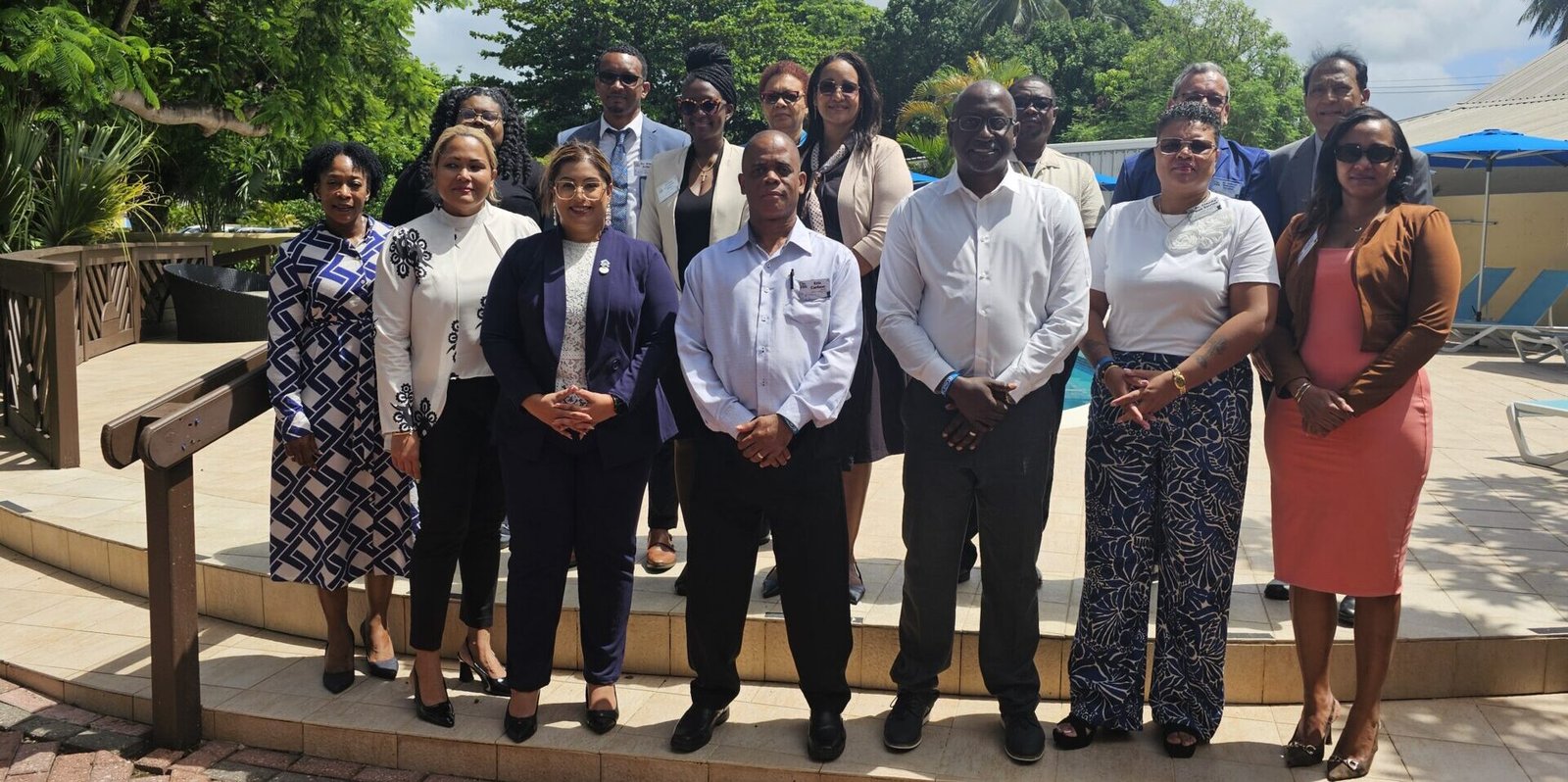
According to a Caribbean Public Health Agency (CARPHA) press release, the discussions took place during the 11th Annual Caribbean Public Health Laboratory Network (CariPHLN) Workshop, held in Bridgetown, Barbados, from September 8–10, 2026. The three-day hybrid event was funded through CARPHA’s Pandemic Fund grant and brought together 26 laboratory directors, along with public health laboratory professionals, CARPHA staff and regional partners.
Eleven laboratory directors attended in person from Aruba, The Bahamas, Barbados, Belize, Curaçao, Dominica, Guyana, Jamaica, Saint Lucia, Saint Vincent and the Grenadines, and the Turks and Caicos Islands. Another 15 directors joined virtually, representing Anguilla, Antigua and Barbuda, Bermuda, the British Virgin Islands, Bonaire, the Cayman Islands, Grenada, Haiti, Montserrat, the Netherlands, Saint Kitts and Nevis, Sint Maarten, Suriname, and Trinidad and Tobago.
Staff from CARPHA’s Medical Microbiology Laboratory (CMML), based at the agency’s three campuses, also participated.
Opening the workshop, CARPHA Executive Director Dr. Lisa Indar stressed that effective laboratory systems are essential to regional health security.
“Public health laboratories remain one of the most critical foundations of regional health security,” Dr. Indar said, pointing to their role in detecting pathogens, confirming outbreaks, identifying antimicrobial resistance, sharing reliable information and safely transporting specimens.
Dr. Gabriel M. Gonzalez Escobar, Assistant Director of Surveillance, Disease Prevention and Control and Head of the CMML, said the meeting provides an important opportunity for Caribbean laboratories to exchange experiences and strengthen regional systems.
A key area of discussion was how laboratory information can be turned into faster public health action. Participants examined laboratory capacity, specimen submission and transportation, as well as ways to improve data sharing.
They also received greater exposure to CARPHA’s Regional Integrated Early Warning Surveillance and Response System (RIEWSS), which combines different surveillance data sources to support earlier detection and coordinated responses. Another focus was SENAITE, CARPHA’s web-based Laboratory Information Management System, which supports laboratory workflows, data management and information exchange.
Other discussions covered antimicrobial resistance, tuberculosis testing and surveillance, preparedness for measles and other vaccine-preventable diseases, biorisk management, specimen referral and transportation, laboratory information systems and the use of laboratory data in public health decision-making.
Participants also shared experiences from their countries involving outbreak response and laboratory capacity building and identified practical steps for further work through CariPHLN.
The workshop builds on developments since the previous meeting, including more regular CariPHLN Executive meetings, renewed Technical Advisory Group activity and the establishment of an AMR Technical Advisory Group. Progress has also been made in regional diagnostic capacity, preparedness, laboratory training, technical harmonisation, specimen referral, data sharing and communication among Member States.
CariPHLN serves as CARPHA’s regional network for connecting national laboratory leaders and improving laboratory capacity, access to specialised and referral testing, quality standards and coordinated action.
CARPHA said it will continue working through the network to strengthen resilient laboratory systems and connectivity, with the aim of supporting earlier detection, faster responses and stronger health security across the Caribbean.