
Caribbean Community (CARICOM) Heads of Government have agreed to seek an advisory opinion from the Caribbean Court of Justice (CCJ) on the process used to reappoint the Community’s Secretary-General, following objections raised by Trinidad and Tobago.
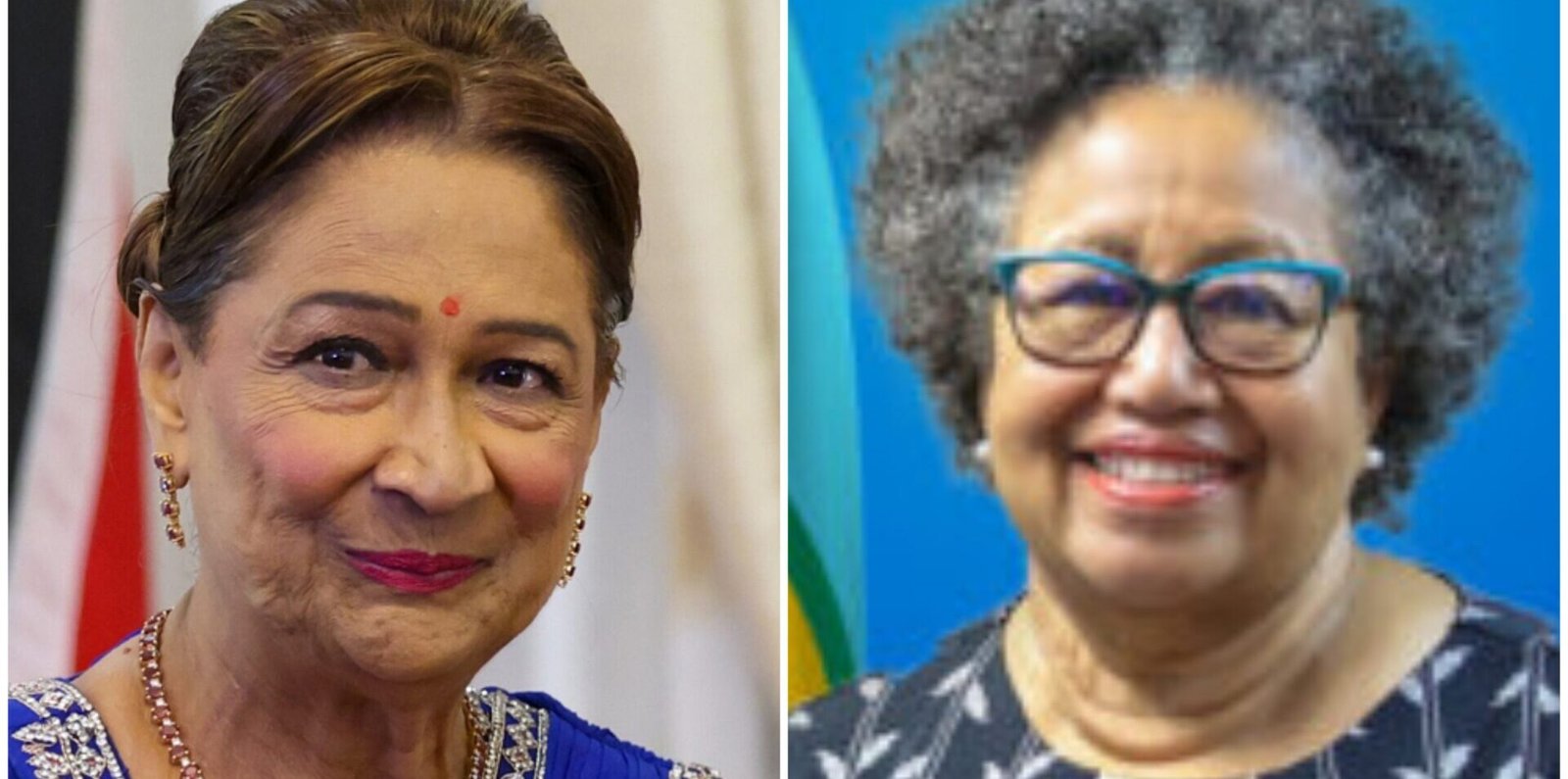
The decision was announced in a statement issued after the CARICOM Heads of Government Retreat on July 6, 2026, where Trinidad and Tobago maintained its position that the procedure used to reappoint Secretary-General Dr. Carla Barnett did not comply with the Revised Treaty of Chaguaramas.
According to the statement, CARICOM will begin proceedings under Article 212 of the Revised Treaty of Chaguaramas to request an advisory opinion from the CCJ. The Community noted that interpreting the Treaty is one of the Court’s primary functions.
Until the CCJ issues its opinion and CARICOM leaders have an opportunity to consider it, the current status of the Secretary-General’s reappointment will remain unchanged.
The Community said the agreed approach provides an amicable means of resolving the matter without affecting CARICOM’s ability to continue carrying out its work.
The issue was among those discussed during a closed-door retreat of CARICOM Heads of Government in St. Lucia on July 6. According to the T&T Guardian, the meeting reportedly continued for several additional hours past closing time, as leaders deliberated on the matter.
The newspaper also reported that Trinidad and Tobago Prime Minister Kamla Persad-Bissessar outlined her government’s position in a 22-page letter dated July 3 and addressed to all CARICOM Heads of Government. In the letter, she argued that the process used to reappoint Barnett was inconsistent with the Revised Treaty of Chaguaramas and should be resolved through the Treaty’s legal mechanisms rather than through political negotiations.
Persad-Bissessar proposed that CARICOM Heads jointly seek an advisory opinion from the CCJ under Article 212 and commit in advance to accepting the Court’s interpretation.
The Guardian further reported that Jamaica’s Prime Minister Andrew Holness also wrote to CARICOM Chairman and St. Lucia Prime Minister Philip J. Pierre expressing concern that the matter remained unresolved.
“It has become clear that we were not all on the same page. Therefore, it is important that any concerns be addressed in a meaningful manner to restore cohesion, if not unity, which is indispensable to the effective functioning of Caricom,” Holness wrote in his July 5 letter.
In its official statement, CARICOM reaffirmed that the ongoing review of the Community’s governance architecture forms part of a broader mandate adopted during the previous Heads of Government Conference in St. Kitts and Nevis. That review is intended to strengthen the Community’s governance framework and improve its overall effectiveness.
The Heads of Government also emphasized that referring the matter to the CCJ does not question the integrity of any member state or individual but instead reflects a collective commitment to strengthening CARICOM’s institutions and maintaining high standards of good governance.
Affirming their commitment to the ideals and objectives of CARICOM, regional leaders pledged to continue working together in unity to advance the interests of the Caribbean while addressing the many challenges facing the region.
***
Read full statement below:
|
(CARICOM Secretariat, Turkeyen, Greater Georgetown, Guyana – Tuesday, 7 July 2026) –
STATEMENT OF THE CONFERENCE OF HEADS OF THE CARIBBEAN COMMUNITY (CARICOM) ON THE REAPPOINTMENT OF THE SECRETARY GENERAL
During the Retreat of Heads of Government of the Caribbean Community (CARICOM) held on 06 July 2026, the Republic of Trinidad and Tobago maintained its objection to the process used in the reappointment of the Secretary General of the Caribbean Community (CARICOM). CARICOM acknowledged that the Republic of Trinidad and Tobago desires to have the issue of the reappointment of the SG referred to the Caribbean Court of Justice (CCJ) to render an Advisory Opinion thereon. To facilitate this request, the Community agrees to commence proceedings to secure such advisory opinion in accordance with Article 212 of the Revised Treaty of Chaguaramas. The Community acknowledged that this is the very purpose for which the CCJ was created – to be a treaty interpretation body. The Community further agreed that the status quo with respect to the re-appointment of the Secretary General shall remain unless and until the Community considers the said Advisory Opinion from the CCJ. The Community agreed that this way forward allows for this matter to be resolved in an amicable manner, without prejudice to the ability of the Community to conduct its affairs. In this context, the Community reaffirmed that the ongoing review of its governance architecture is part of the broader mandate, agreed at the previous Conference in St. Kitts and Nevis, to strengthen the governance of the Community and enhance its effectiveness. The Heads of Government further underscored that this process does not impugn the integrity of any Member State or individual; rather it reflects the Community’s collective commitment to continuous institutional improvement with the highest standards of good governance. The Heads of Government have reaffirmed their commitment to the ideals and objectives of the Community and will continue to move forward in unity to advance the interests of the Region during these difficult times, recognizing the myriad of challenges the Community faces currently. |