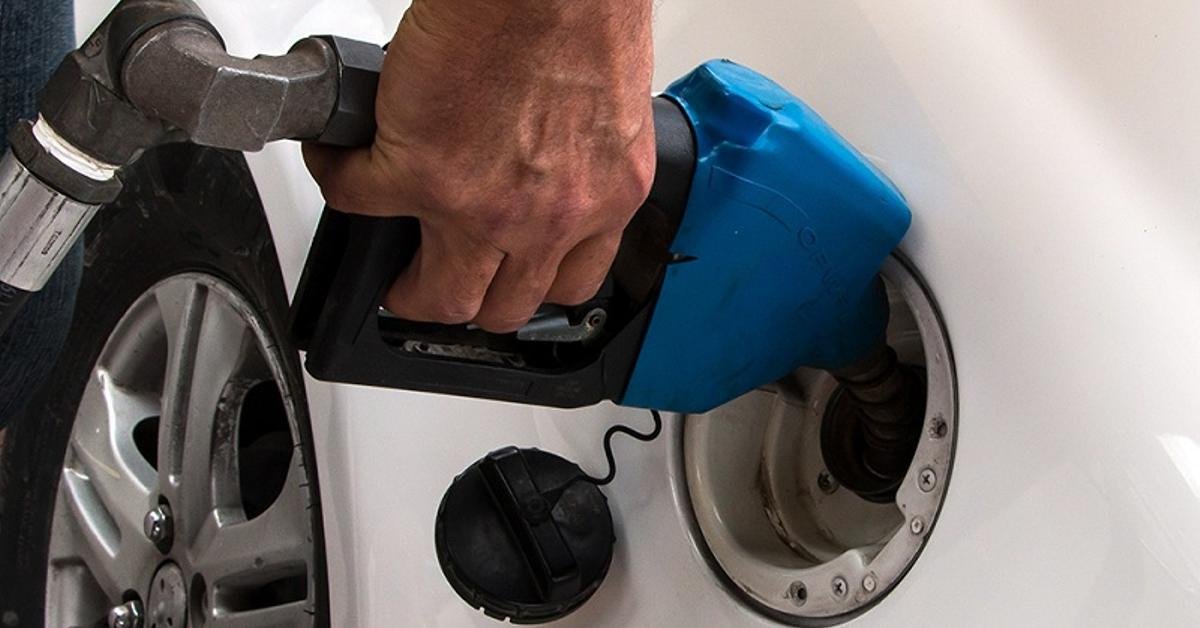
Havana/The Municipal Prosecutor’s Office of Trinidad, in Sancti Spíritus, is investigating the theft of fuel and “other material goods” in three state entities, the provincial newspaper reported this Sunday. Escambray.
The authorities announced that there will be a heavy hand in the case. “In the current circumstances, the rigor of the investigations is greater due to the damage caused to the country’s economy by the theft of resources,” warned Marlines Hernández Mollineda, the territory’s prosecutor.
The official assured that, due to the responsibility for the custody of the stolen resources – without specifying what they are, in addition to fuel – the investigation involves several citizens. “What draws our attention the most is that in these places there was a system of surveillance, protection, for the care of these assets,” said Hernández Mollineda, who added that “due to weaknesses in control, these events occurred that represent an undoubted, substantial loss for the State.”
He also announced that “investigations continue to be deepened,” although he admitted that some of the supplies that were stolen “have already been taken,” he insisted.
He admitted that some of the supplies that were stolen “have already been taken.”
Hernández Mollineda added that the punishments will be severe because they “acquire greater connotation in the current scenario.” According to the prosecutor, “from the moment of non-compliance in the protection of these assets, the penalties range from six months to two years of deprivation of liberty, and in the crimes of robbery with force, the sanctions can be between two and five years, but in the theft of fuel the treatment is different due to the conditions of the country, it is classified as a crime of sabotage and the sanctions range between three and eight years of deprivation of liberty,” she concluded.
Another case reported in Sancti Spíritus was recorded only on June 8. In Yaguajay, authorities detained a pipe loaded with 6,000 liters of fuel oil intended for illegal fuel trafficking, reported at the time. Escambray.
The vehicle, officially destined for cleaning graves, was intercepted in the town of Calienes, on the border between the municipalities of Chambas, in Ciego de Ávila, and Yaguajay. “We had already presumed from information that two previous trips had been made with suspicious behavior, since it was a pipe intended for cleaning graves,” said Lieutenant Colonel Duvier Cabrales Pérez, head of the Ministry of the Interior in Yaguajay.
Last May, a worker at the Saturnino Lora Provincial Hospital, in Santiago de Cuba, was sentenced to 12 years of prison for “misappropriation” and “sabotage.” The man was prosecuted for stealing more than 5,700 liters of diesel intended for the health center’s generating sets and contaminating the reserve fuel with water, which left the generators unusable during a blackout.
A worker at the Saturnino Lora Provincial Hospital, in Santiago de Cuba, was sentenced to 12 years in prison for “misappropriation” and “sabotage.”
Although the authorities insist that there is greater vigilance to avoid these cases, the regime has recognized that state operatives can steal up to 30,000 liters of fuel per day and that, to this end, managers, custodians and residents of the facilities get involved.
As an example, in a broadcast of the Hacemos Cuba program, in October of last year, a case was cited in Guanabacoa, in which 17 people were sentenced to up to 10 years in prison for stealing and reselling more than 800,000 liters of jet fuel that the Hydrocarbon Transportation Company had stored on a farm dependent on the Habana Agroforestry Company. The events involved directors of the entity, as well as custodians, residents in the vicinity of the place and drivers from other state companies and the private sector.