Wednesday, June 24, 2026, 7:18 a.m
641 readings

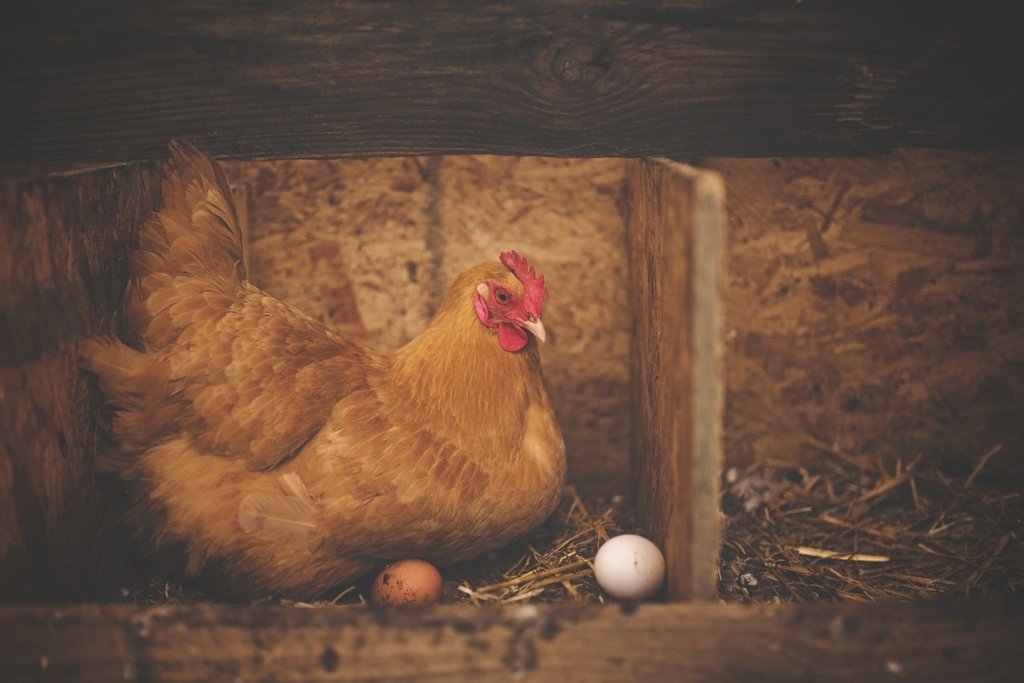
Laying hen PHOTO Pixabay
Australian authorities have stepped up surveillance and testing after two cases of highly pathogenic H5N1 bird flu were confirmed in migratory seabirds, as local media reported on Wednesday that several specimens had been found dead on isolated beaches, Reuters reports.
Tests are ongoing in Australia South after two dead subantarctic seabirds and a pelican were found on Monday near Fowlers Bay, more than 1,200 km east of Esperance in Western Australia, where the first two confirmed cases were reported, according to the Australian Broadcasting Corporation.
South Australian state Primary Industries Minister Claire Scriven told ABC Radio it could take several days for test results from the birds to be available.
“In terms of the processing time, it depends to some extent on the results … we hope that this does not come to South Australia, but we know of course that it is possible,” Scriven said.
A spokesman for South Australia’s Department of Primary Industries said there were no confirmed cases of bird flu in the state, but that all reports of sick or dead birds would be investigated and the public alerted if a positive case was found.
Ground surveillance and drone inspections are underway at sea lion breeding grounds along South Australia’s western and far western coasts, while the frequency of testing has been increased in high-risk areas.
Two other birds are being tested in Western Australia, far from the original cases, but authorities said there was no evidence of a wider spread, the ABC reported.
A total of 11 samples were sent for testing in Western Australia, stemming from 94 reports of dead or sick birds in the past three days, the report added.
To date, Australia has been the only continent without a confirmed mainland case, although the virus was detected in late 2025 on the subantarctic territory of Heard Island.
Human infections remain rare, but the global spread of bird flu has devastated poultry flocks and disrupted the supply and prices of poultry meat and eggs in many countries. In its efforts to combat bird flu, Australia has tightened biosecurity measures on farms, stepped up testing of shorebirds, vaccinated vulnerable species and conducted response simulations.