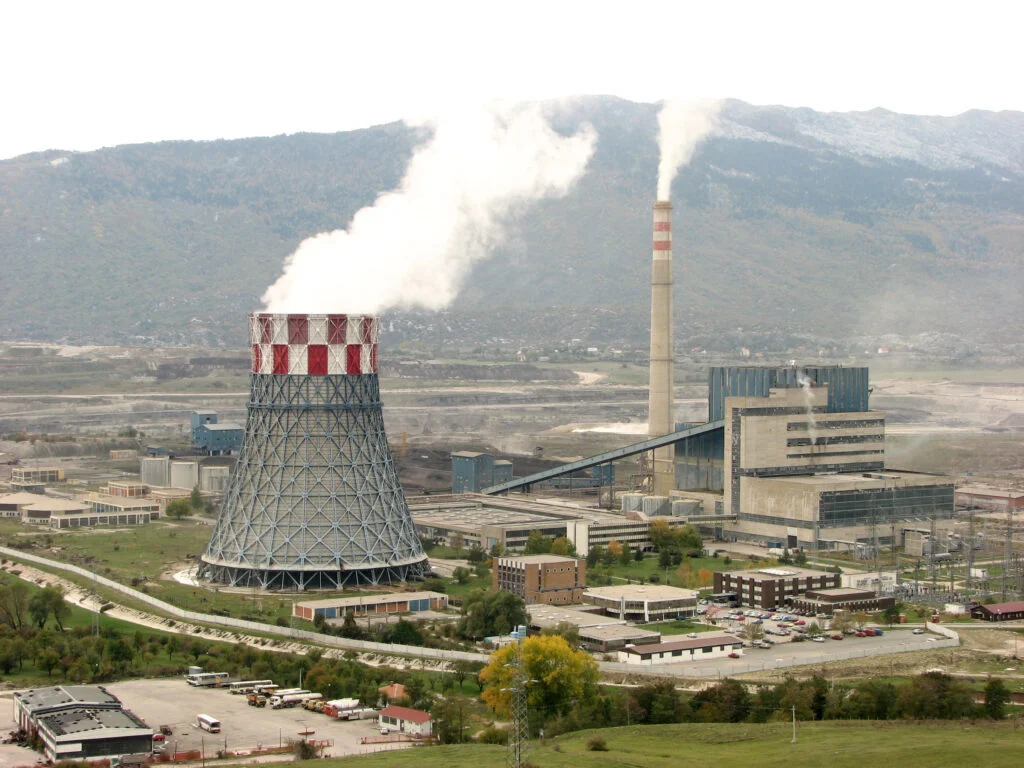
For the second year in a row, Bosnia and Herzegovina leads the region in terms of sulfur dioxide emissions from coal-fired thermal power plants that are included in national pollution reduction plans, warns the new report “Comply or Close 2026” by the CEE Bankwatch Network.
The authors state that emissions of harmful substances from thermal power plants in the Western Balkans are still at a worryingly high level eight years after the expiration of the deadline for compliance with the regulations.
According to the data for 2025, Bosnia and Herzegovina, Serbia, Kosovo and North Macedonia again exceeded the permitted emission limits of all three key pollutants – sulfur dioxide, dust and nitrogen oxides.
The report states that the total emissions of sulfur dioxide from regional thermal power plants were as much as 6.6 times higher than the permitted values, which represents the largest relative exceedance since the start of monitoring the application of the rules in 2018.
Special reviews for Ugljevik and Gacko
The Ugljevik Thermal Power Plant is among the facilities that have been singled out. Bankwatch requires the desulphurisation system to operate continuously and under constant monitoring to ensure continued emission reductions.
When it comes to the Gacko Thermal Power Plant, the report calls for urgent measures to reduce dust emissions. Possible solutions include limiting plant operation or investing in new equipment, along with an assessment of how many power plants can realistically remain in operation.
The closure of certain blocks is requested
One of the most significant recommendations refers to blocks Tuzla 4 and Kakanj 5. The authors of the report believe that the decision to extend their operation should be canceled and their shutdown should be initiated.
An official confirmation of the permanent closure of block Tuzla 3 is also requested.
Bankwatch also recommends imposing sanctions on Elektroprivreda BiH and Elektroprivreda Republika Srpska due to long-term exceeding of permitted emissions. Additional fines are proposed for Elektroprivreda BiH if the disputed units continue to operate after the eventual cancellation of the decision to extend their lifespan.
“Controlled shutdown or collapse”
The authors warn that no power company in the region has been seriously sanctioned so far for non-compliance with obligations related to environmental protection.
Therefore, they believe that there is a real danger of an uncontrolled shutdown of the thermal energy sector, which could have severe consequences for communities that depend on mines and coal-based electricity generation.
– For many thermal power plants, the choice is increasingly reduced to a controlled and planned shutdown or a complete collapse – the report states.
They are looking for clear deadlines for getting out of coal
Bankwatch demands from the authorities of Bosnia and Herzegovina the adoption of an energy and climate plan with precise deadlines for the gradual abandonment of coal as the main energy source.
At the same time, a detailed economic analysis of potential new investments in desulphurization systems in blocks Kakanj 7 and Tuzla 6 is required, along with an assessment of their long-term profitability.
The authors believe that for certain blocks, including Gacko, Kakanj 6 and Tuzla 5, closing dates should be determined as soon as possible, because additional investments in reducing pollution could be financially unjustified.
At the end of the report, it is called for the definitive abandonment of plans for the construction of thermal power plants Ugljevik III and Gacko II, with a warning that the energy transition should not mean replacing dependence on coal with a new dependence on natural gas.