According to them, the condition of recently repaired roads has been compromised from the very beginning.
Among the main findings are:
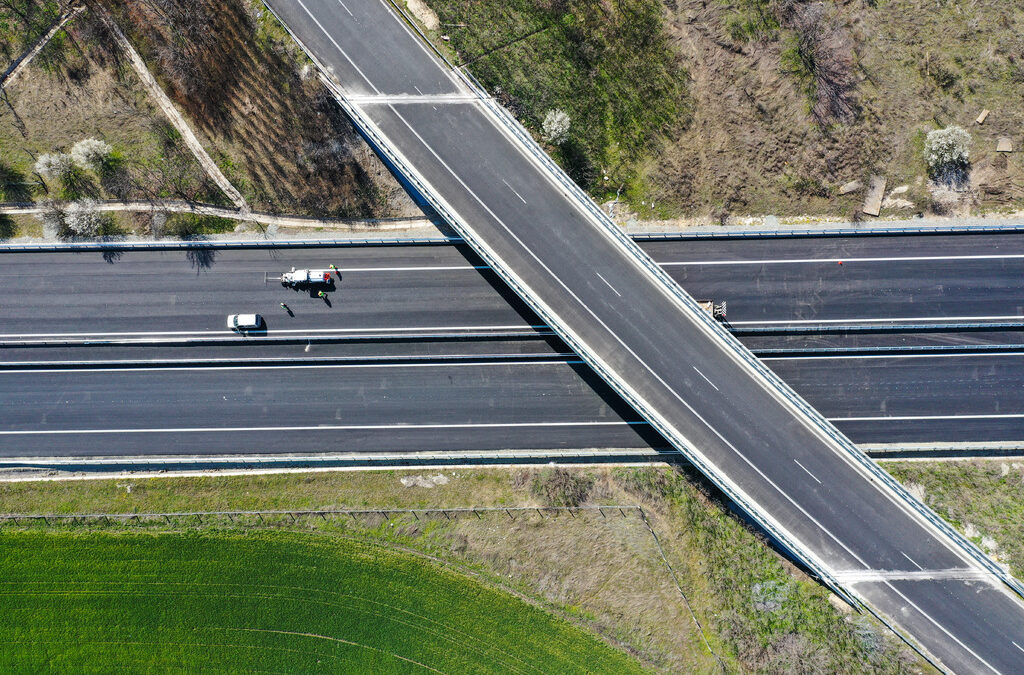
– uneven and wavy asphalt laid in places with a thickness of only 2 cm; visibly poor and crooked road markings;
– laying asphalt in adverse conditions, including during rain;
– lack of adequate control over the execution of repair works.
The fact that when attempting to correct the marking with modern technology, part of the asphalt layer literally peeled off is particularly worrying. This calls into question not only the quality, but also the safety of the track, on which competitors are expected to reach speeds of up to 70 km/h.
“This road is dangerous. If it rains, the risk of accidents is huge,” announced Rusinova on bTV.
The problems are not limited to this section. According to experts, there are other risk areas with fallen stones, damaged guardrails and withered trees hanging over the road.
At the same time, other cities along the route such as Burgas, Sliven and Veliko Tarnovo show significantly better quality of the repairs carried out.
The financial aspect also raises questions. Initially, the announced value for the preparation of the route was about 10 million euros, but the amount subsequently increased to 55 million euros. Currently, there is a lack of transparency regarding costs and possible penalties for poor performance.
Although the event is an indisputable chance for international advertising of Bulgaria as a tourist destination, there is a risk that the country will present itself in a negative light due to compromised infrastructure, warns Rusinova.