At first glance, the landscape looks like an ordinary rural area – a dirt road surrounded by greenery. But beneath the green hills near Achera lies something else. “Between the 1970s and the 1990s, this place was a dumping ground not only for household waste, but also for highly toxic waste,” explains local activist Alessandro Canavachuolo.
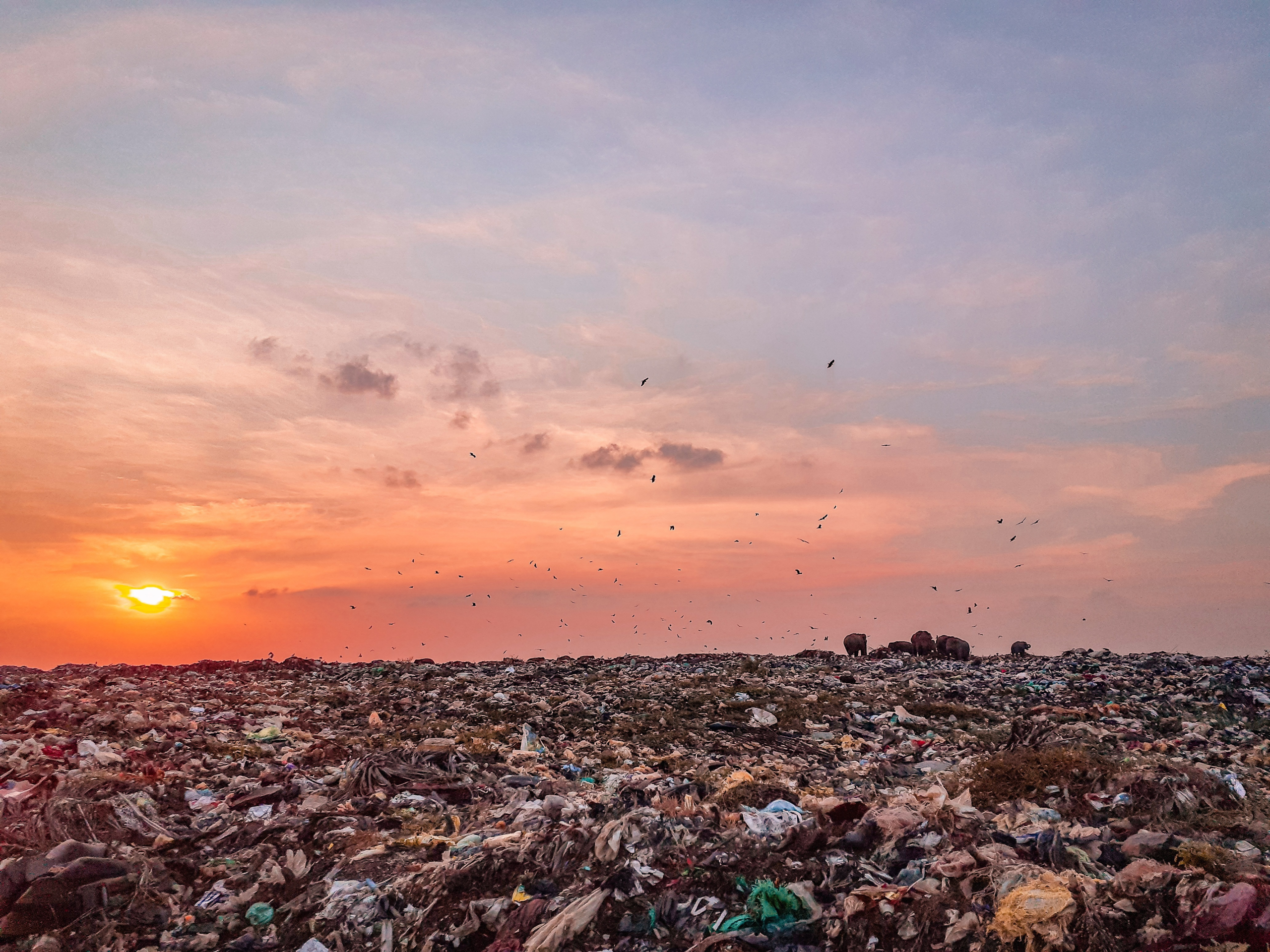
No one knows exactly what lies beneath the earth. Over the years, household waste, industrial chemicals and even radioactive materials have been illegally dumped here. The Camorra, the powerful Neapolitan mafia, has turned the disposal of toxic waste into a highly profitable business, serving companies from all over Italy and abroad. Instead of landfilling the garbage, they simply burned it to erase the traces, hence the ominous name of the region: Terra dei Fuochi.
This multi-million dollar business has devastating consequences for the region’s 3 million population. The stories of the local people are painfully similar. “My father died with extremely high levels of dioxin, phorone and polyvinyl chloride in his body,” says Orsa Canavachuolo.
Oncologist Antonio Marfella, who treats many of the region’s residents, is adamant: “We are the region of Italy with the youngest population. We should have the fewest sick people. But, against all logic, we find ourselves the hardest hit and with the most new cancer cases a year.”
Alessandro, Michele Panella and other volunteers did not give up. They have been waging their battle for 19 years now, despite threats from organized crime groups. Their persistence led to a historic victory – their case before the European Court in Strasbourg obliged Italy to take action to clean up the region.
The situation is changing slowly. Surveillance cameras were installed, hundreds of illegal activities were prevented and arrests were made. However, the authorities face a huge challenge.
So far, the state has allocated 60 million euros, but at least 2.5 billion euros are needed for the complete rehabilitation.
Out of over 90 open landfills, cleanup work is underway in only 20 of them.
The mob still finds ways to dispose of new waste, and the destroyed tags in incineration make tracing the sources almost impossible.
For activists like Alessandro, who recently became a father, the fight is a personal duty. “We have not retreated even a millimeter. We have always found the strength to look forward,” he says.