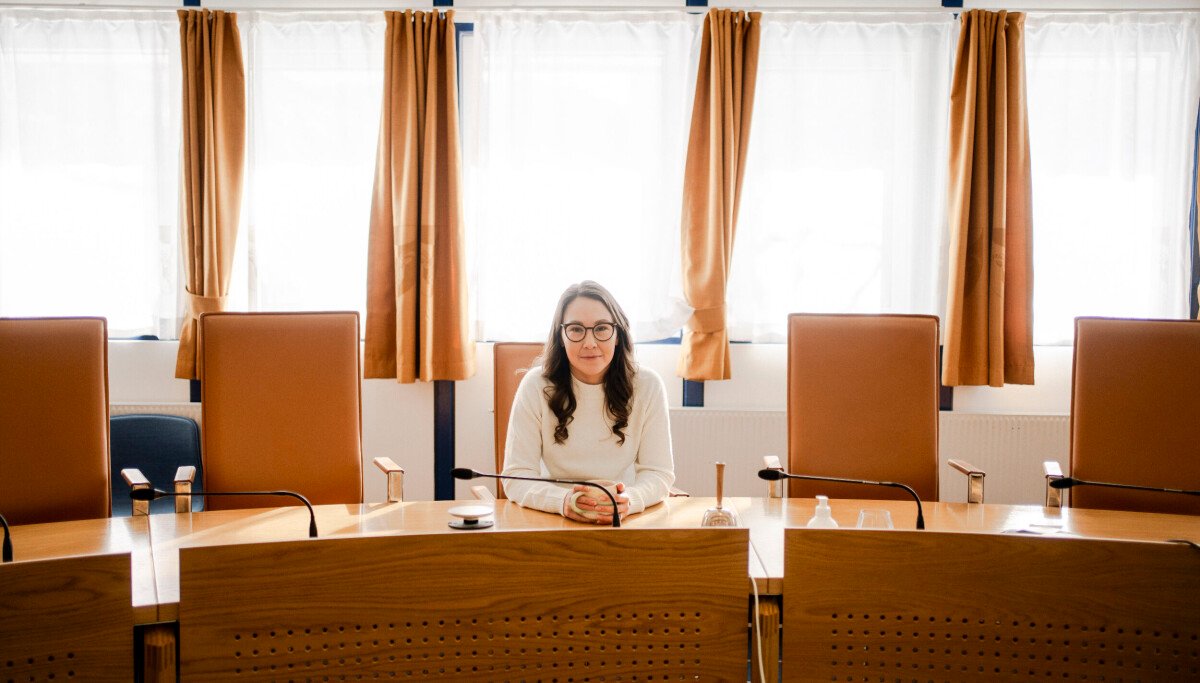
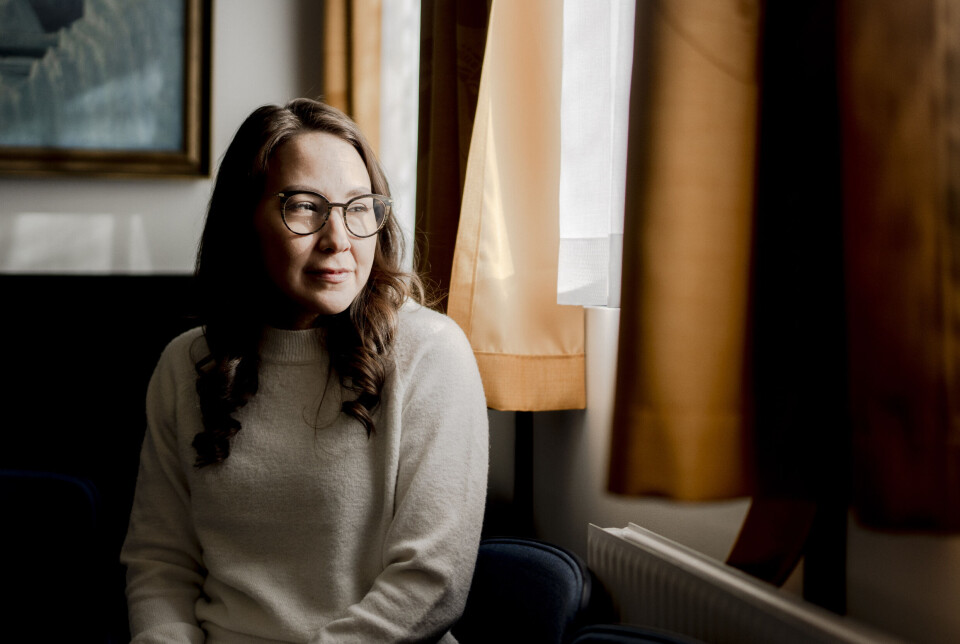
Municipality of Kujalleqs mayor, Malene Vahl Rasmussen, finally has time for an interview on Tuesday evening.
The past few weeks have been busy. In addition to the tasks that were already on the calendar, there have also been a number of urgent tasks to take care of.
Municipality of Kujalleqs mayor, Malene Vahl Rasmussen, finally has time for an interview on Tuesday evening.
The past few weeks have been busy. In addition to the tasks that were already on the calendar, there have also been a number of urgent tasks to take care of.
After the decision to temporarily close alcohol sales in the municipality from 2 October, she has had to plan various initiatives and participate in a number of meetings.
– We have been working late into the night these days.
What are you so busy with?
– Various measures and the already planned events, which have nothing to do with the closure of alcohol sales.
In connection with the closure, the mayor has so far, among other things, held meetings with the directors of the three large grocery chains: Brugseni, Pisiffik and KNI.
In addition, she held a meeting with INI A/S, where they discussed, among other things, how the housing company can contribute to preventing unrest in homes.
– We don’t just want to reopen and return to the old conditions.
The municipality has also held a meeting with the holders of alcohol licences.

Alcohol sales are not closed indefinitely
One of the reasons for the many meetings with different players is that various measures must be taken before alcohol sales can gradually reopen at some point. The closure is not intended to be permanent.
– No, that is not the intention, says Malene Vahl Rasmussen.
However, the mayor needs data that can show the difference between the situation when alcohol is available and when sales are closed.
An example is the number of notifications about children and young people. Here, the municipality’s figures show that there is a marked difference in the number of notifications during periods of open and closed alcohol sales.
In Qaqortoq, the municipality received 32 notifications from 2 to 19 September. In the same period from 2 to 19 October, when alcohol sales were closed, the municipality received nine notifications.
– The employees notice to a very high degree that the citizens are calmer. This also gives them more time to deal with the many open cases. Not only in the municipality, but also in the health service and with the police.
The municipality signs up as an experimental area
The mayor emphasizes that the figures collected by the municipality are as valid as possible. When the country’s political leaders met in August, the Municipality of Kujalleq volunteered as an experimental area.
The background is Naalakkersuisut’s work with a multi-year, evidence-based alcohol policy. On 2 October 2025, 18 professional recommendations for a future alcohol policy were distributed to Inatsisartut. The recommendations must form the basis for a broad political alcohol settlement. Among other things, the mayor wants to test the recommendations in the Municipality of Kujalleq.
– As we are not satisfied with the situation, we will take responsibility for taking action. We cannot wait, which is why we have discussed that the municipality should sign up as an experimental area. It was approved.
According to the mayor, the closure of alcohol sales is not directly related to the desire to become an experimental area. But it takes time to collect reliable figures from the period of closed alcohol sales.
– We need figures from at least one month, she says.
– It is important to me that the information we collect during this period of closure can also be used as a basis for the other municipalities and Naalakkersuisut to act. If we only have figures from 14 days, their reliability is limited, she says.
This is how alcohol sales must be reopened
If figures are to be collected that can form the basis for a gradual reopening of alcohol sales, citizens should not expect alcohol to become available again in the coming weeks.
Based on the preliminary figures, however, the mayor has no doubt that the closure has already had positive consequences in several areas.
– Absenteeism has fallen across the entire organisation. The people who have to go to work show up. It is also noteworthy that the staff at the nursing home in Narsaq work more stably.
– The figures we have received so far also show that school absenteeism has fallen. There are fewer students with illegal absences.
According to the mayor, the basis for a gradual reopening is gradually being put in place. But before alcohol sales can reopen, grocery stores, among others, must be included in the discussions.
– For example, the stores’ opening hours, age limits and marketing. The whole thing. And what the shops can participate in discussions about and what they can join will also be important. From what we know so far, they are very open to participating in all kinds of initiatives.
No date for reopening
The mayor cannot say exactly when citizens can again buy alcohol in the Municipality of Kujalleq.
– I can’t say that yet. The political negotiations must also be carried out first. Right now, the most important thing for me is that we collect our foundation. If successful, the subsequent measures will also depend on whether this closure has had a beneficial effect or not.
So is 2026 or 2027 most likely?
– I can’t say that.
But one thing is certain.
– We don’t just want to reopen and return to the old conditions. When the 18 measures gradually come into force, we will follow the figures to see if they produce better results than before, concludes the mayor.