Havana/At 11:10 in the morning this Wednesday, on the corner of Monte and Matadero, in Havana, the roar of a crash suddenly shook neighbors and passersby from their routines. A high-end truck hit an electric passenger tricycle and overturned it on the asphalt, leaving two men, a woman and a girl injured, according to what was confirmed. 14ymedio on the spot.
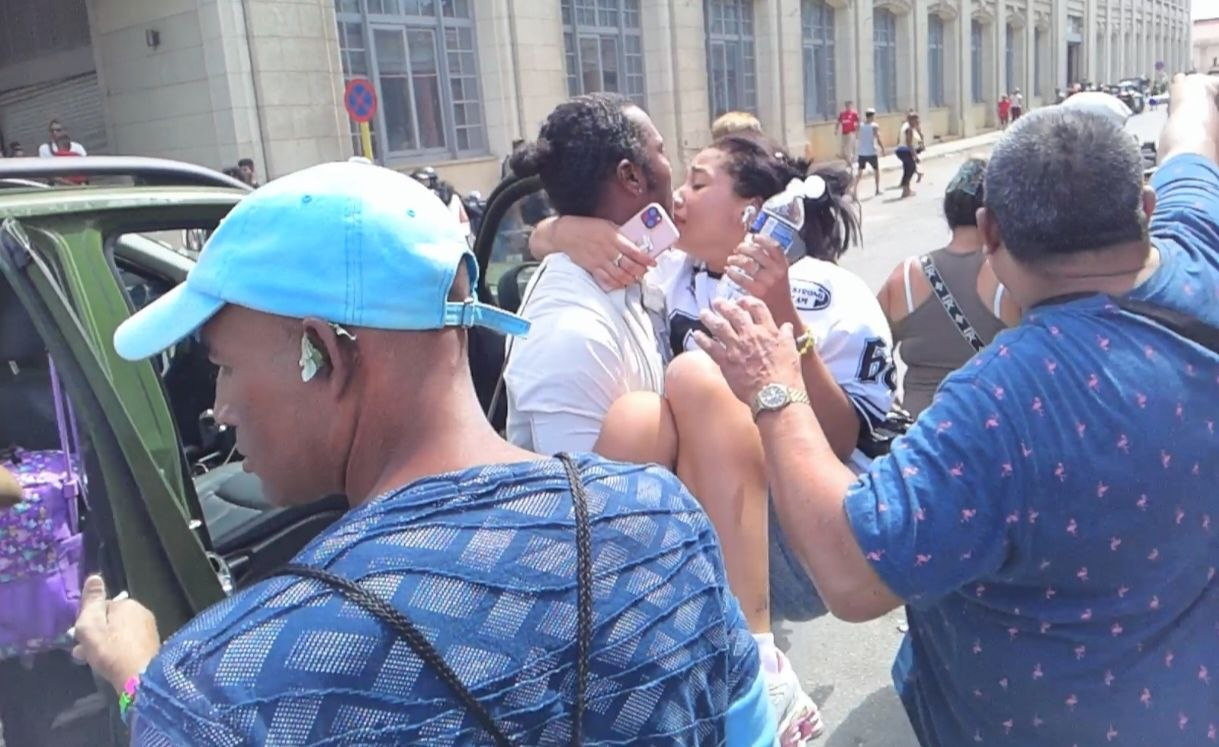
In a matter of seconds, the corner was filled with onlookers, shouts, hands trying to help the passengers and recriminations against the driver of the vehicle, who was trying to defend himself by pointing at the turned-off traffic light. “There was no power,” he is heard saying in the video taken after the accident. In Havana, collapsed by the fuel crisis, low road traffic is no guarantee of safety. One poorly regulated corner, a dead traffic light and two distracted drivers are enough for everything to end in disaster.
The tricycle, one of those vehicles that have proliferated as a patch for the transportation crisis, was left overturned with its occupants hit, especially in the head. The scene had something of a synthesis of the current situation in the country: a modern truck, weak transportation, an intersection without electricity and a crowd trying to solve on their own what should be provided for by the State.
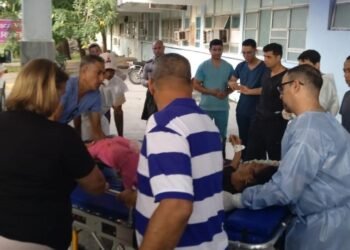
The most revealing thing came after the impact. Initially, the injured were going to be transported in the truck itself, but the vehicle could not move from the scene. The solution was to put the injured people on another tricycle and send them to the hospital. No ambulances, no patrols, no clear protocol in these cases.
The most recent accidents increasingly involve electric passenger tricycles, presented as an “innovative” alternative amid the collapse of state transportation. They are cheap, fast and increasingly common, but also extremely fragile. Whoever travels in them does so almost without any protection. A side impact or a rollover, like the one this Wednesday, is enough to turn the journey into a hospital emergency.
The expansion of these vehicles does not speak of modernization, but rather of permanent contingency. They did not emerge to improve urban mobility, but to patch the lack of buses, taxis and fuel. They have become part of the landscape of daily survival and serve equally well to move loads, carry passengers or, if necessary, to improvise an ambulance.