Doha – Qena:
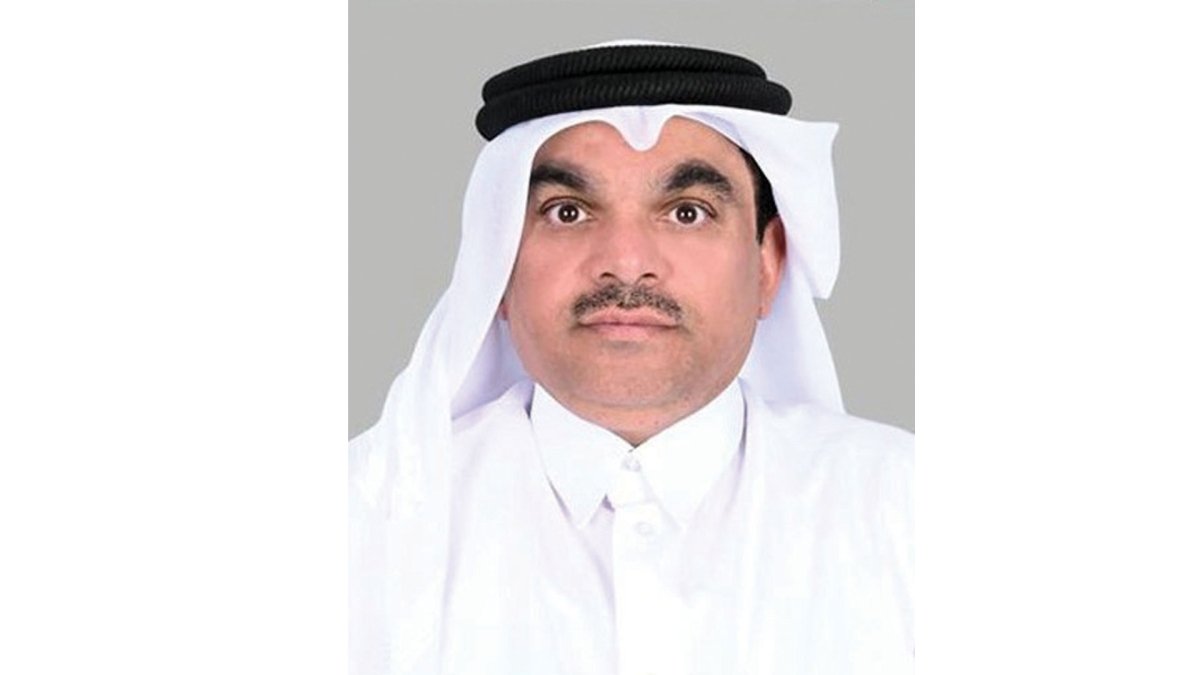
Dr. Ibrahim Abdul Latif Al-Muslamani, Assistant Undersecretary for Protection and Natural Reserves Affairs at the Ministry of Environment and Climate Change, confirmed that the State of Qatar is continuing to implement an integrated national strategy to combat desertification, restore ecosystems and protect natural resources, through a package of projects and initiatives aimed at enhancing vegetation cover, preserving biodiversity, and achieving the goals of the Qatar National Vision 2030.
Dr. explained. Al-Maslamani, in special statements to Qatar News Agency (QNA) on the occasion of the World Day to Combat Desertification and Drought, which falls on June 17 of each year, said that the national strategy and action plan to combat desertification (2025-2030), implemented by the Ministry of Environment and Climate Change, includes programs and projects to rehabilitate degraded lands, protect meadows and natural habitats, develop vegetation, sustainable management of natural resources, and combat invasive plant species, indicating that the strategy aims to restore Rehabilitating at least 30 percent of degraded natural habitats and enhancing the sustainability of natural resources.
He added: Natural reserves represent a fundamental pillar in the country’s efforts to protect biological diversity and reduce land degradation, pointing out that terrestrial reserves cover about 27 percent of the country’s area, with work being done to raise the percentage of protected terrestrial and marine areas to 30 percent by 2030.
He pointed out that the slogan of the World Day to Combat Desertification and Drought this year, “Pastoral lands: recognizing, restoring and preserving their value,” reflects the increasing importance of pastoral ecosystems in preserving biodiversity and enhancing the ability to confront climate change, noting that protecting lands and natural habitats is a shared responsibility that requires the integration of official and societal efforts.
The Assistant Undersecretary for Protection and Natural Reserves at the Ministry of Environment and Climate Change pointed out that the Ministry carried out protection and rehabilitation work in 76 kindergartens and natural sites, with a total area of 16.72 square kilometers during the period from 2019 to 2026, through fencing, regulating use, cultivating local plants and scattering seeds, with a plan to expand protection and rehabilitation programs to include 500 kindergartens and natural sites by the year 2030.
He stressed that the Ministry is benefiting from modern technologies, including geographic information systems, remote sensing, satellite image analysis, and drones, in monitoring the condition of lands and vegetation, indicating that these efforts contributed to inventorying and documenting 1,573 kindergartens and creating the first integrated national spatial database for kindergartens and natural sites, in addition to studying the use of artificial intelligence applications to enhance the efficiency of environmental monitoring and support decision-making.
Regarding national partnerships, Dr. Ibrahim Abdul Latif Al-Muslimani stressed that combating desertification requires the combined efforts of various parties, noting the participation of more than 25 national parties in the relevant technical consultations, as well as the contribution of private sector institutions in supporting projects for fencing, cultivating and rehabilitating the meadows within the framework of social responsibility.
He pointed out that among the most prominent environmental challenges facing the country in the field of desertification are limited water resources, high temperatures, and fluctuating rainfall rates, in addition to the deterioration of some natural habitats and the spread of exotic plant species, most notably the goeif plant. He pointed out that groundwater represents about 19 percent of water sources in the country, while withdrawal rates from the aquifer exceed natural recharge rates by more than four times, which constitutes a major challenge to the sustainability of lands and natural resources.
He stressed that the State of Qatar is dealing with these challenges by implementing the national strategy and action plan to combat desertification (2025-2030), in addition to implementing a set of practical measures to protect vegetation and restore natural habitats, including extending the ban on camel grazing in all regions and regulating the grazing of sheep and goats during the growing seasons of wild plants, as well as implementing a national program to combat the goyif plant, which resulted in the removal of more than 8,500 invasive goyif trees from 2023 until mid-2020. The year 2026, in order to enhance the protection of ecosystems and the ability of lands to recover and sustain. He noted the efforts of the Ministry of Environment and Climate Change in implementing national projects and initiatives aimed at enhancing the sustainability of natural resources and protecting biodiversity, most notably the first national strategy to combat desertification, which was launched as a unified national framework to lead efforts to restore degraded lands, while its detailed action plan is being completed in preparation for the implementation of its programs and projects.
He stressed that the Ministry will continue to implement a number of specific initiatives, including expanding the management of natural reserves and restoring sensitive environmental habitats, including a project to rehabilitate mangroves to enhance coastal protection and support the blue carbon system, in addition to a project to restore coral reefs and enhance their ability to withstand climate change, as well as programs to protect and manage sea turtles, dugongs, and whale sharks, which contribute to developing conservation methods, strengthening monitoring and follow-up systems, and preparing accurate national databases to protect species and natural habitats.
He added: These efforts complement the State of Qatar’s contribution to the initiative to plant 10 million trees by 2030, as more than four million trees have been planted so far, equivalent to more than 40 percent of the national target, while efforts during 2025 included planting 19,580 local terrestrial and coastal seedlings, and producing 31,275 terrestrial and coastal seedlings in the Ghashamiya nursery to support propagation and rehabilitation programs. At the end of his statements to QNA, Dr. Ibrahim Abdul Latif Al-Muslamani, Assistant Undersecretary for Protection and Natural Reserves at the Ministry of Environment and Climate Change, called on citizens and residents to contribute to protecting the environment and preserving the environment. Plant and natural resources, stressing that every positive practice contributes to enhancing environmental sustainability and preserving natural resources for future generations.
Khaled Al-Muhannadi: Combating desertification is a shared national responsibility
The Ministry of Environment and Climate Change affirmed the commitment of the State of Qatar to continue implementing integrated national programs and projects to combat desertification, restore degraded lands, and develop vegetation, coinciding with the commemoration of the World Day to Combat Desertification and Drought, which falls on June 17 of each year, and is held this year under the slogan “Pastoral lands: recognizing their value, restoring them, and preserving them.”
The Ministry stressed that its efforts in this field stem from a national vision based on protecting wild ecosystems and reducing the causes of land degradation, in line with the Qatar National Vision 2030, the Third National Development Strategy 2024-2030, and the National Strategy for Environment and Climate Change.
In this context, Mr. Khalid Juma Al-Muhannadi, Director of the Wildlife Development Department, stressed that the World Day to Combat Desertification and Drought represents an important occasion to highlight the efforts of the State of Qatar in protecting its lands and natural habitats and promoting sustainable management of natural resources, noting that celebrating this occasion embodies the country’s commitment to the United Nations Convention to Combat Desertification and reflects the alignment of national efforts with relevant international commitments.
Al-Muhannadi explained that the national strategy and action plan to combat desertification 2025-2030 establishes a more integrated phase in confronting desertification and land degradation, as a national road map based on clear scientific and technical foundations, linking policies, legislation and executive programmes, and placing the protection of ecosystems and the rehabilitation of degraded lands at the forefront of national environmental work. He added that the strategy is based on several main axes, including protecting ecosystems, sustainable management of natural resources, developing vegetation, and rehabilitating affected environments, in addition to supporting scientific research and innovation, developing legislation, policies and governance, and strengthening national and international partnerships and community participation. He pointed out that the Ministry continues to expand its partnerships with government agencies, the private sector, and research and academic institutions to implement joint initiatives to restore land and protect vegetation, stressing that combating desertification is a shared national responsibility that requires integration of roles between various agencies and components of society.
Nasser Al Nuaimi: Rehabilitation of 76 kindergartens and natural sites
Mr. Nasser Mohammed Al Nuaimi, Head of the Natural Resources Department, confirmed that the Ministry is implementing ongoing field programs to protect vegetation and rehabilitate deteriorated natural areas and sites as one of the basic practical pillars of combating desertification in the Qatari environment.
He explained that the protection and rehabilitation work carried out by the Ministry included 76 kindergartens and natural sites with a total area of 16.72 square kilometers during the period from 2019 to 2026, through fencing the affected sites, regulating their use, cultivating local plants, scattering seeds, and monitoring the recovery of the vegetation cover, which contributed to improving the environmental condition of many natural sites and enhancing their ability to restore their vital functions. Al Nuaimi pointed out that vegetation represents the first line of defense in the face of desertification because of its role in stabilizing the soil, reducing sand encroachment, and supporting biodiversity. He stressed that the Ministry will continue to implement programs for cultivating local plants, producing wild seedlings, and protecting fungal species according to scientific foundations that take into account the nature of the Qatari environment.
Adel Al-Yafei: Removing 8,500 trees of the invasive gouweif plant
Mr. Adel Mohammed Al-Yafei, Head of the Plant Wildlife Department, explained that combating alien and invasive plants is one of the important paths to protecting natural habitats, noting that the Ministry was able to remove more than 8,500 trees of the invasive Ghawif plant from 2023 until mid-2026, as part of its efforts to reduce its negative effects on local plants and water resources and restore the environmental balance in the affected sites.
Al-Yafei explained that the Ministry relies on modern technologies to monitor the condition of land and vegetation, including geographic information systems, remote sensing, satellite image analysis, drones, and spatial databases, which provides accurate data that supports decision-making, determines priorities for protection and rehabilitation, and follows up on environmental changes.
He stressed that the Ministry is continuing to develop its future programs to support the objectives of the combating desertification strategy, especially in the areas of rehabilitation of meadows, development of vegetation cover, combating invasive species, propagation of local plants, and development of monitoring and follow-up tools, stressing the importance of raising community awareness and enhancing commitment to sound environmental practices to ensure the sustainability of natural resources and protect the Qatari environment for future generations.