National Day 1997. Katuaq is buzzing with people gathered to celebrate the day.
In the middle of the festivities, a 14-year-old girl steps onto the stage.
She has only known about the concert for a short period of time. Her singing teacher had – without asking her first – put her on the programme. It was a deliberate tactic. Had he asked, she is sure the answer would have been no.
She was far too nervous to volunteer in front of so many people.
The audience stands close to the front of the stage. It was before smartphones and social media. Therefore, all eyes were on the stage.
She grabs the microphone. The hands are shaking. In a few moments she will sing three songs. She doesn’t know yet that the three songs will be the beginning of something much bigger.
In the same year, she is asked if she wants to participate in an album with several Greenlandic artists and the shy 14-year-old is thrown into a world of studio recordings, concerts and attention she never imagined.
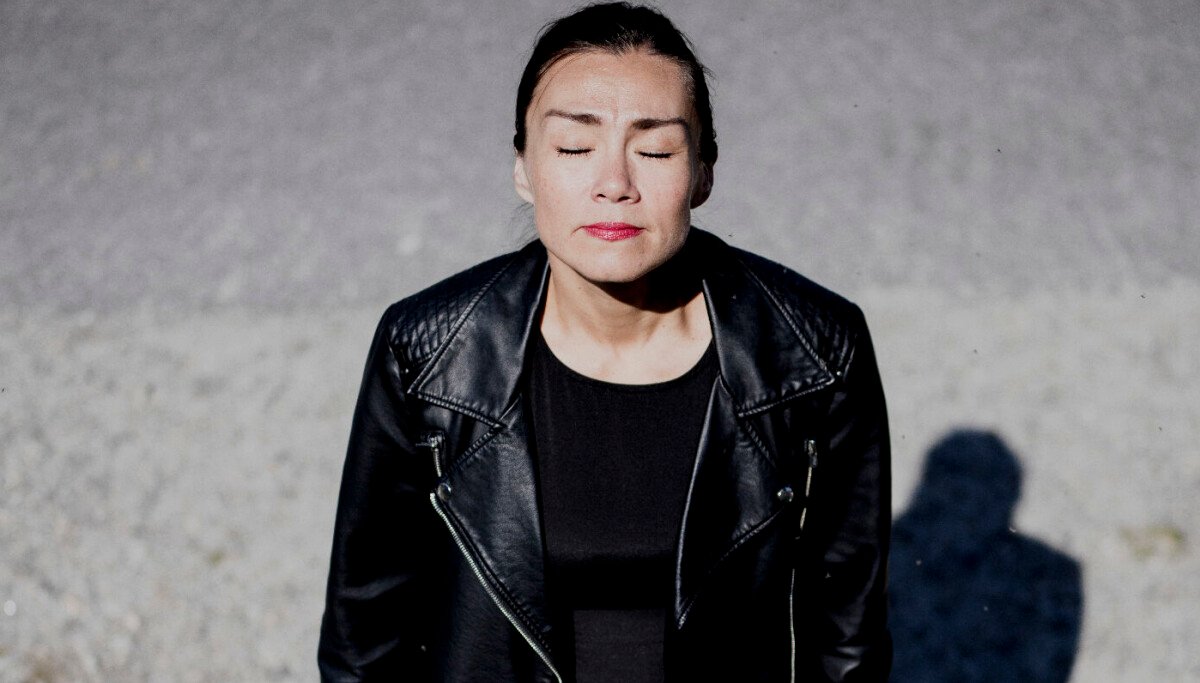
Today, she sees differently the attention that came faster than she was ready for.
– Now I know that I don’t have to please everyone, Tupaarnaq tells Ingemann Mathiassen.
To understand that phrase, you have to go back to the time before concerts, hits and limelight. To childhood, when music was already a part of her life, but where she never imagined that it would make her famous.
She was the girl who entertained her parents and their guests in Qeqertarsuaq, where she grew up singing Melodi Grand Prix songs. Her regular number was “En lille melodi”.
Her safe place
Tupaarnaq Ingemann Mathiassen was born on 2 June 1983 – 43 years ago – in Norway.
– My father has always worked with some fishing, and he has, for example, been a factory manager. My mother is a technical draftsman, says Tupaarnaq Ingemann Mathiassen, who comes from a group of three siblings.
– We are only girls.
The first years of her life are marked by moving.
– We moved quite a lot in my first years of life. For example, I can’t remember anything from Norway, where I was born, she says.
Her first memories originate from Qeqertarsuaq. She remembers the years there fondly.
– It’s my safe place. When I think back, it seems as if the sun always shone there, she says.
The memory stands in stark contrast to the years that followed. When the family later moved permanently to Nuuk in 1992, a completely different reality awaited. Here she was met with bullying.
– I was in the 4th grade when we moved to Nuuk. I was shy. New city, new school, new classmates. I held back a lot. Then the bullying began. It wasn’t my classmates, but the older students who bullied me, she says.
It got so bad in the end that she was afraid to walk alone in the city center.
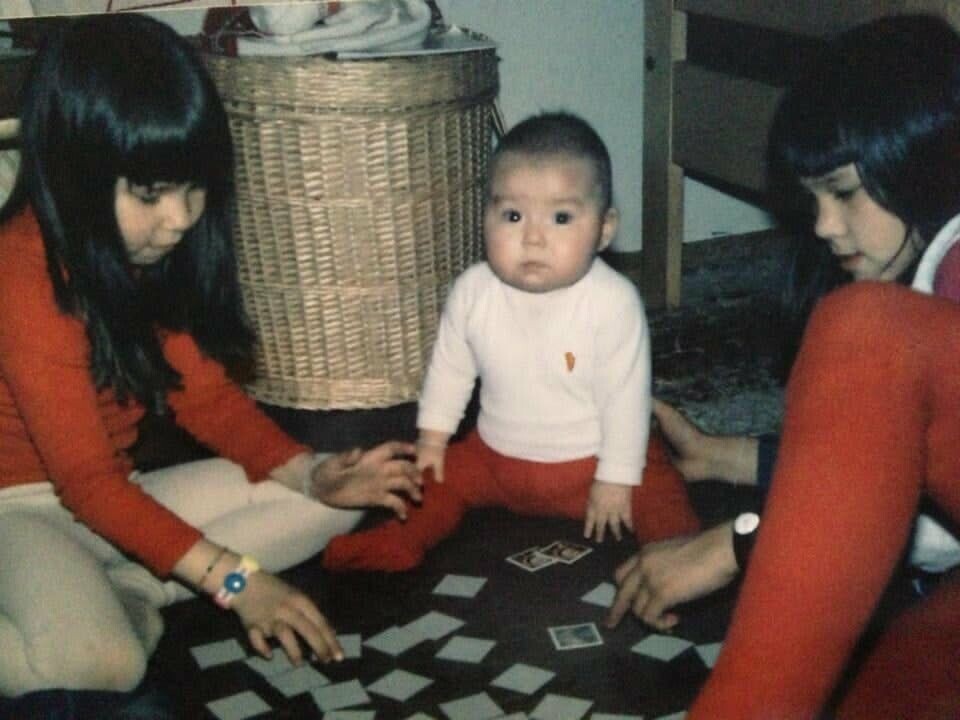
– They followed me and they humiliated me. I had no idea who they were. I think it was because I was new, had bright eyes and was a little different from the others, she says.
– But there wasn’t much talk about feelings at home, Tupaarnaq Ingemann Mathiassen tells us.
– My parents did everything they could to support me, but their support was limited by what they themselves carried. We weren’t good at talking about feelings, and that’s why I felt very alone, she says.
Qilanngaq as sanctuary
The Qilanngaq youth club became a haven for Tupaarnaq in 7th grade. It was also here that someone first spotted the singing talent that would soon change her life.
– It was the late Miki who discovered I could sing. I didn’t know that he had many contacts within music, and it sort of exploded from there, says Tupaarnaq Ingemann Mathiassen.
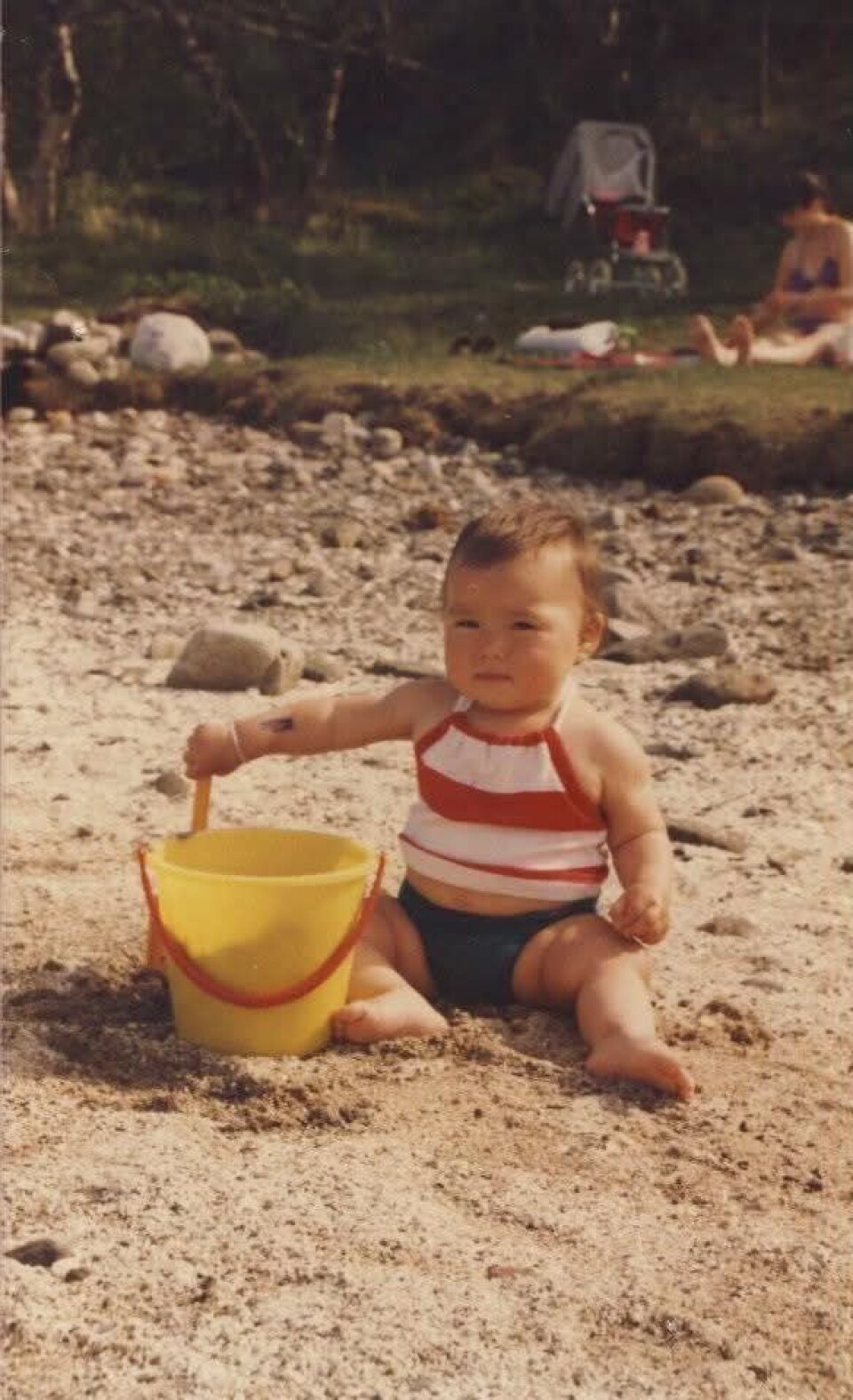
At the same time, social media gradually began to make inroads. The messages poured in. Some wrote to praise her, others overstepped her bounds. As a teenager, she struggled to navigate the attention that came with fame.
– I was 13 years old when I started singing. Suddenly I got a huge amount of attention and was thrust into the limelight. I wasn’t fully developed, I was just a child after all. I wasn’t ready at all and didn’t understand what career I was heading into, she says.
As a teenager, Tupaarnaq didn’t have the tools to set boundaries. She agreed to most things because she didn’t know how to speak up.
The pressure and constant attention gradually began to take its toll. Alcohol became a way to quell the restlessness.
– I started drinking. Very. For example, I couldn’t go on stage sober. I had to be drunk, Tupaarnaq tells Ingemann Mathiassen.
She had her big breakthrough with the album “Illit” from 2003. The music was created by Mik S. Christensen, while the Greenlandic lyrics were written by Simon Uldum. The release also featured Angu Motzfeldt and Anda Uldum.
The album became a milestone in Greenlandic music history, as it sold over 5,000 copies.
Anger at society
Behind the success was a young woman who was still trying to figure out who she was. Tupaarnaq was angry. On society, on expectations and on the role she had suddenly been placed in.
– I was angry at the people who belittled me. I was very much in the role of victim, she recalls.
She had difficulty saying no and spent a lot of energy trying to please others. The negative comments filled more than the praise, and slowly she began to lose faith in herself.

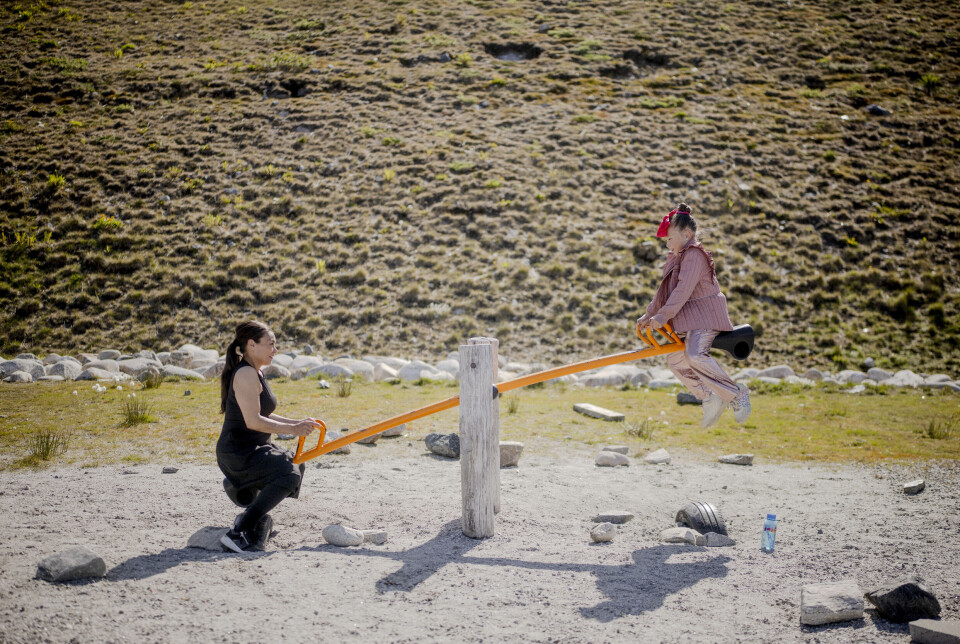
Although opportunities opened up, she found it difficult to take ownership of her own voice. When asked if she wanted to write her own songs, she couldn’t find her way into it. She was used to others creating the music, writing the words and giving her something to perform. Her role was to sing.
– I wasn’t myself then, says Tupaarnaq.
She found it difficult to be alone and instead sought out people around her. Suddenly she had many friends, many contacts and many who wanted to be a part of her life. But behind the great attention lay a great deal of uncertainty.
– I was afraid that people would look at me badly. I thought that if I wasn’t going to disappoint anyone, I just had to say yes to everything. That’s how I thought at the time, she says.
The constant uncertainty, pressure and lack of ability to set boundaries eventually had serious consequences. Tupaarnaq reached a point where she could no longer see a way out.
– I thought about suicide. I planned everything. Where it should be and how I should do it, she remembers.
Beginning to learn boundaries
The years go by. Life goes on.
– Little by little I began to question myself. I talked to my friends, to psychologists and guidance counselors, Tupaarnaq Ingemann Mathiassen tells.
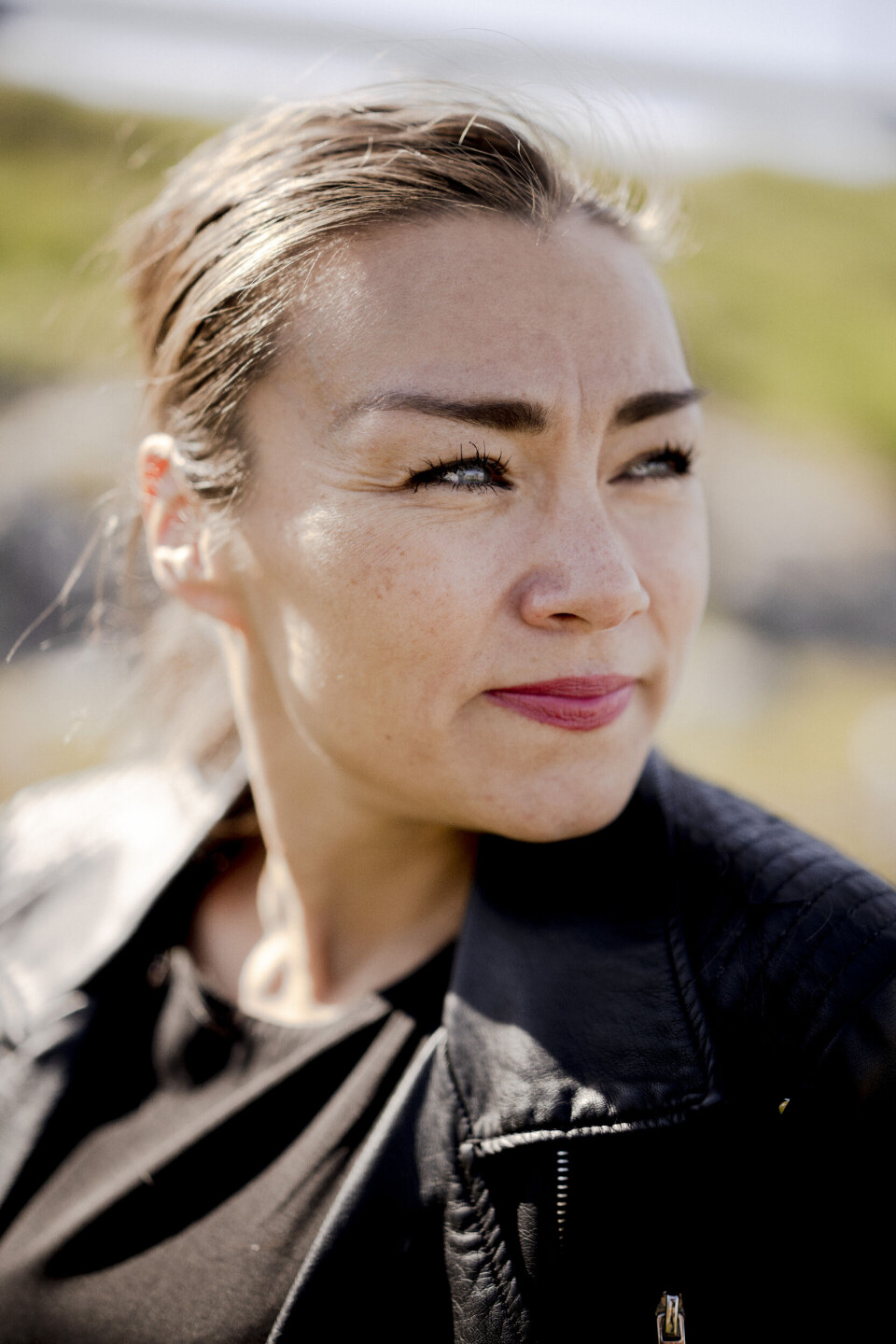
The turning point came when Tupaarnaq began to understand that she could not continue to live up to the expectations of others.
She had to start looking at herself, not as the person others needed, but as the person she was. It was the start of a long process of self-development.
– I slowly began to learn my limits and found that my value did not depend on how much I could give to others, Tupaarnaq Ingemann Mathiassen tells.
A former colleague became an important piece in her change. She recommended that Tupaarnaq read about the three principles, a framework of understanding that was to have great significance for her further development. This led to her starting online courses, both in Greenland and in England.
– I slowly started to stay more down to earth. It was as if everything began to fall into place. My inner self slowly emerged. It was as if the puzzle began to come together, she says.

Today, Tupaarnaq is back on stage. But this time something is different. She no longer needs to soothe her nerves with alcohol to be able to sing in front of other people.
She has started writing her own songs and has found her joy in music again, not as something she has to live up to, but as something she chooses herself.
– Today I can be on a stage without drinking. I can feel myself, she says.
Life also looks different outside of music. After a 12-year relationship, she has moved on, and she finds that it has been good for her. She has completed her teacher training and today works at Oqaasileriffik. Together with her two daughters, she has created a life where there is room for both peace and joy.
– The challenges are bound to come, such is life. I welcome them with open arms. Ajunngilaq. I know that life goes on and I know that I have the inner strength to deal with it, she says.
She has learned to stand the attention that once felt overwhelming. She knows that she no longer needs to say yes to everything or live according to other people’s expectations.
Today, Tupaarnaq sings because she wants to.