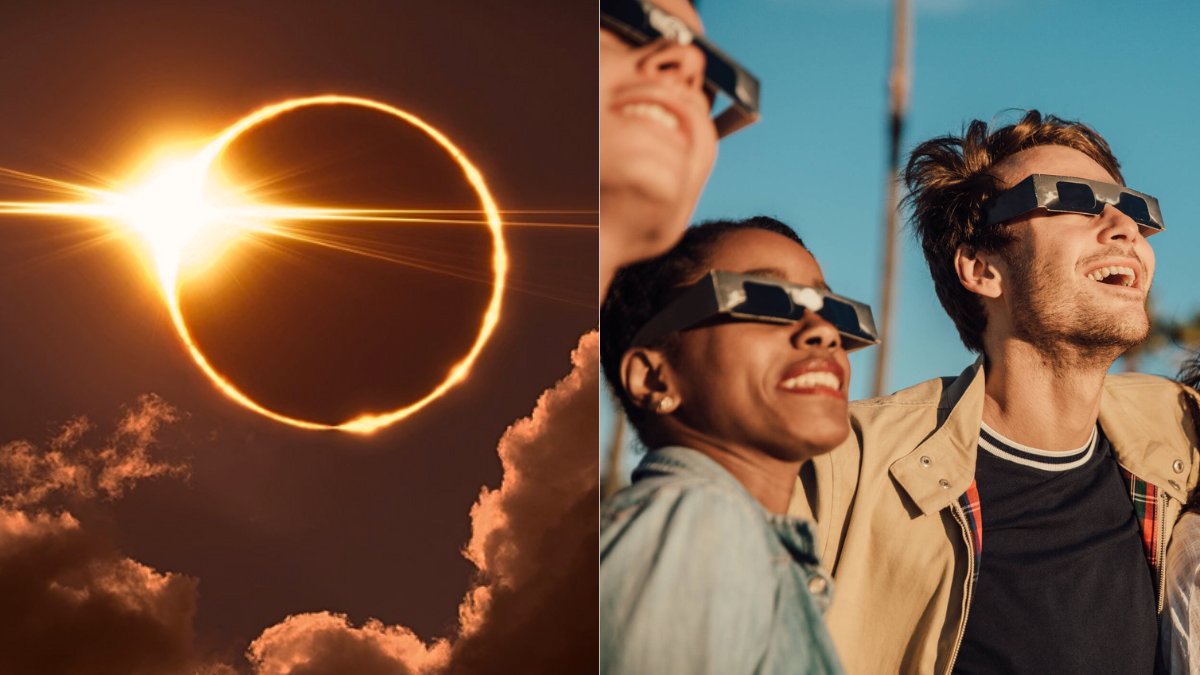
He On August 2, 2027, a total solar eclipse will be recorded, the duration of which will far exceed the usual averages.generating expectations among scientific communities and observers in different parts of the world.
READ ALSO
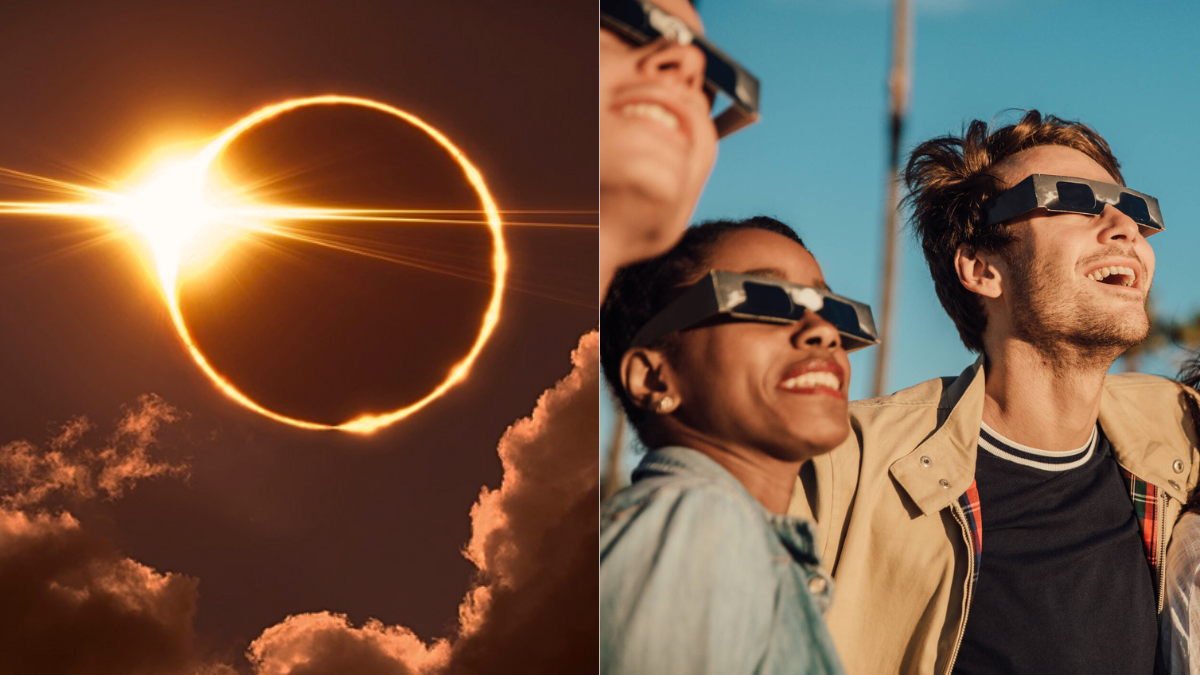
The astronomical calendar has one of the most relevant events of the coming decades planned. It is a total solar eclipse that, in certain areas of the planet, will extend darkness for more than six minutesan unusual record compared to the usual values of this type of phenomena.
In addition to its duration, The phenomenon will be distinguished by the large territory from which it can be observed in its entirety.. This feature will allow a significant number of people to access the experience, both for scientific observation and general interest purposes.
It will be visible in several regions of the world, including Europe, Africa and the Middle East. Photo:iStock
READ ALSO
Astronomical factors that explain its duration
The temporal extent of the eclipse responds to a specific configuration between the Earth, the Moon and the Sun. At that time, the Earth will be located near aphelion, that is, at the furthest point of its orbit from the Sun, which makes it appear smaller from the Earth’s surface.
Simultaneously, The Moon will be close to perigeeits closest point to Earth, which increases its apparent size. This combination allows the satellite to completely cover the solar disk for a longer period than usual.
Added to these factors is the moon shadow pathwhich will advance through regions close to the equator. In these areas, the Earth’s rotation affects the speed of movement, which contributes to prolonging the time in which the Sun remains hidden.
Under normal conditions, a solar eclipse The total usually lasts between two and three minutes. In this case, the combination of variables will allow this range to be overcome significantly.
The alignment between Earth, Moon and Sun will allow unusual darkness in the day. Photo:AFP / Yasser Al-Zayyat
READ ALSO
Trajectory and observation areas
The path of the Moon’s shadow will cover more than 15,000 kilometers above the earth’s surface. The phenomenon will begin in the Atlantic Ocean and continue through different regions of Europe, Africa and the Middle East.
Among the countries where the totality of the eclipse can be observed are:
1. Spain.
2. Morocco.
3. Algeria.
4. Tunisia.
5. Libya.
6. Egypt.
7. Sudan.
8. Saudi Arabia.
9. Yemen.
10. Somalia.
Within this route, some points offer more favorable conditions for observation. Among them, Luxor, in Egypt, stands out, where stable climatic conditions and a considerable duration of the phenomenon are expected.
The lunar shadow will travel more than 15,000 kilometers over the Earth’s surface. Photo:EFE/EPA/ALI HAIDER
READ ALSO
Partial visibility in other regions
Outside the zone of totality, the eclipse will be partially visible in different parts of the world. In these areas, The Sun will be covered only in part, although the process can be followed during its different phases.
Real-time transmissions will allow the entire event to be observed from any location, facilitating access to those who are not within the direct observation areas.
Recommendations for observation
The observation of a solar eclipse requires specific security measures. Looking directly at the Sun without adequate protection can cause vision damage.
Recommendations include:
1. Use certified eclipse glasses.
2. Use special solar filters on telescopes or binoculars.
3. Avoid improvised methods that do not offer adequate protection.
It is also considered as an alternative to follow specialized transmissions that allow observing the phenomenon without risks.
Some places like Egypt will offer optimal conditions to observe the phenomenon. Photo:iStock
READ ALSO
A rare phenomenon
The particularity of this eclipse is that the combination of factors that allows its duration does not occur frequently. According to astronomical estimates, there will not be another event with similar characteristics in more than a hundred years.
This event is projected as a relevant opportunity for the study and observation of the behavior of celestial bodies, as well as for the recording of a phenomenon that depends on a precise alignment between different elements of the solar system.
*This content was written with the assistance of artificial intelligence, based on publicly known information disclosed to the media. In addition, it was reviewed by the journalist and an editor.