Talk about literature, especially if it is about Costa Rican literatureis something that is usually done in formal spaces such as universities, or in informal spaces such as literary workshops and bars, but there are not many opportunities to do it systematically, at the same time pleasantly colloquial, in an informal space open to the public.
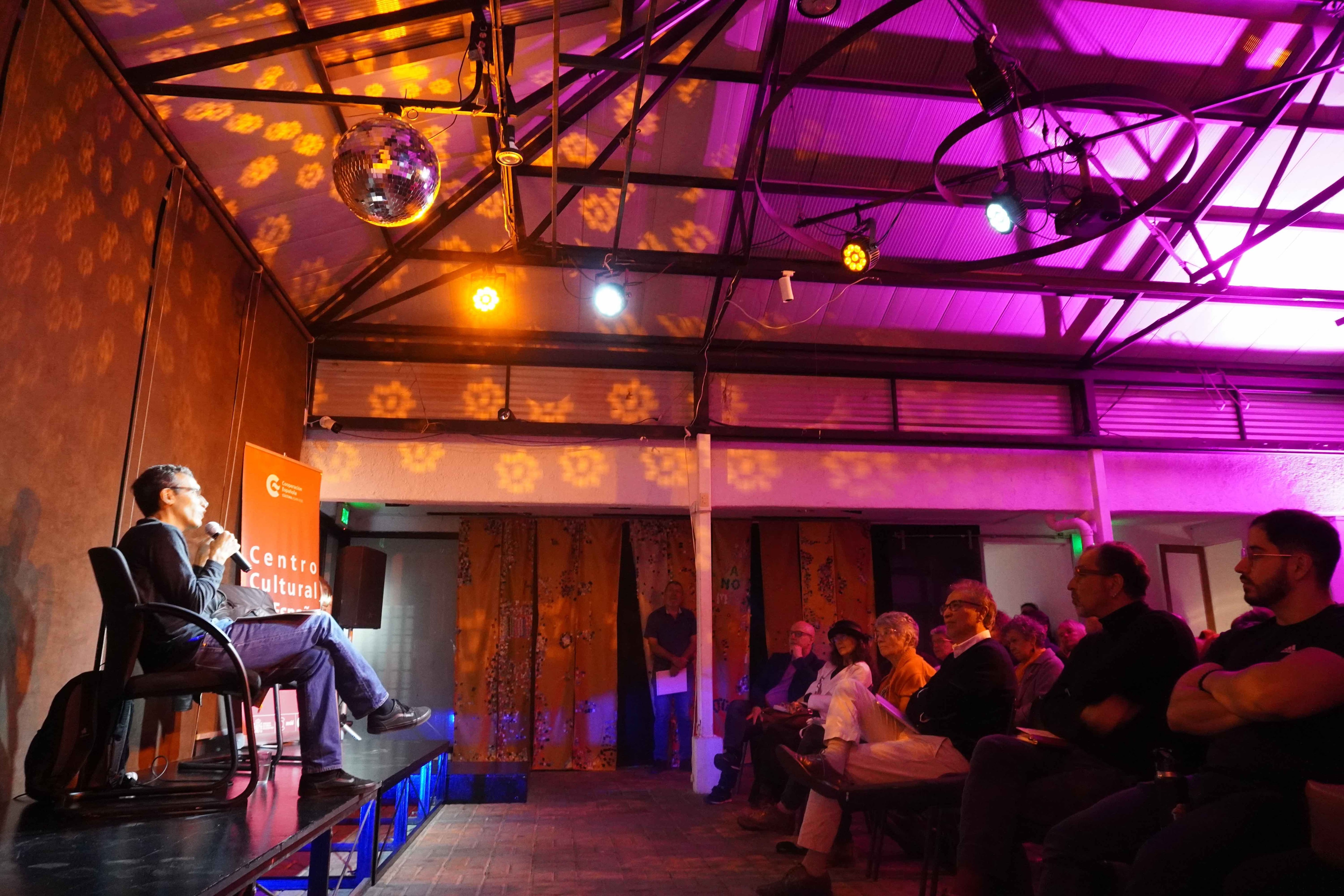
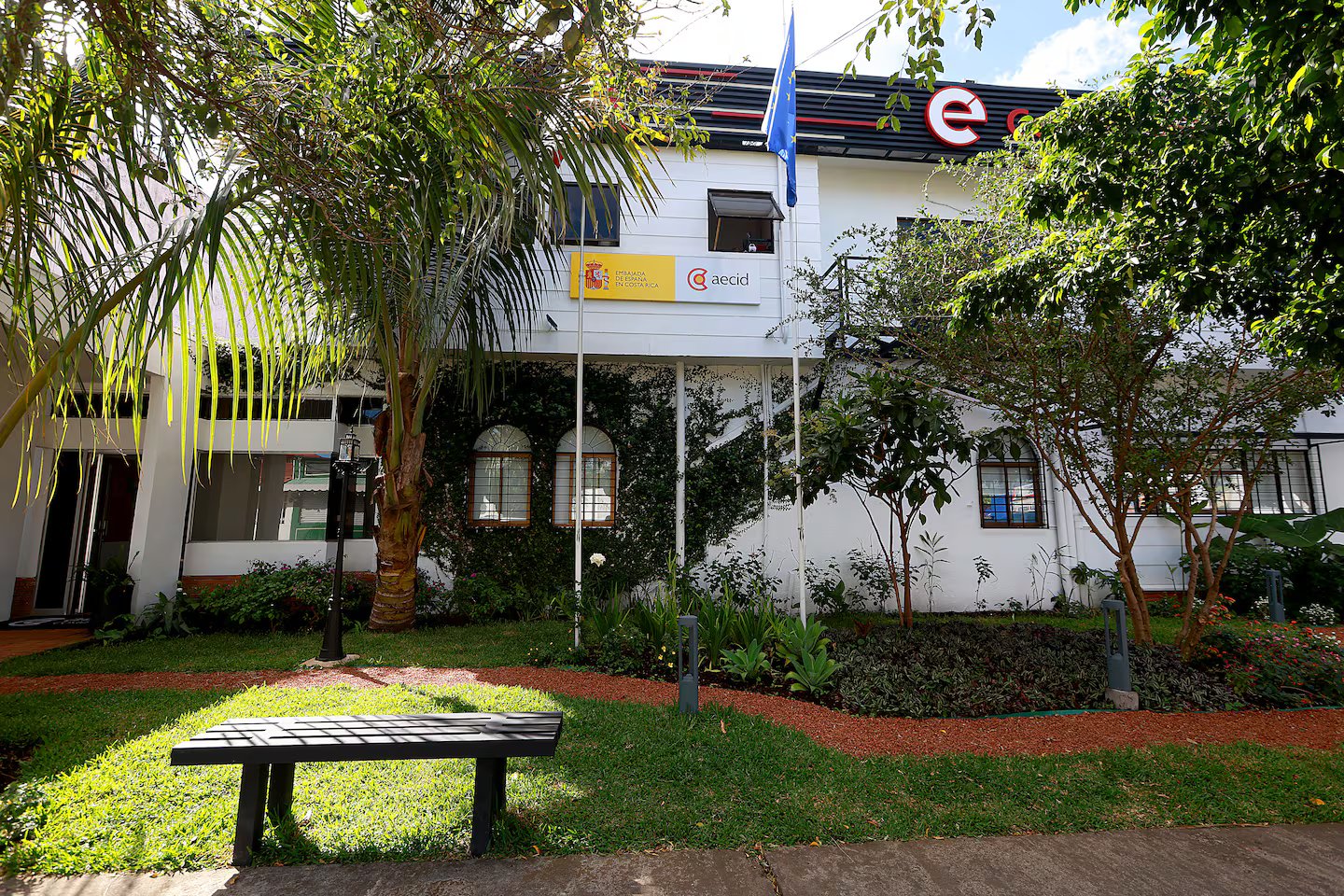
This is how it will develop during this year Cultural Center of Spain in Costa Rica, better known as “El Farolito”, located in the Escalante neighborhood, San José. once a monthwriters, critics and academics, editors and readers, will meet to talk about different aspects that are transforming the ways of writing, disseminating and reading literature.
Indeed, the political and technological transformations underway in the world, and particularly in what we know as “the Western world”, have profound repercussions in the field of culture and, more specifically, in the literary field.
So, for example, a few decades ago, digitization seemed to call into question the continuity of the printed book; Today we see that digital and printed books coexist in a more complex ecosystem.
The collapse of the values and institutions of patriarchy promoted by feminist movements and other groups calls into question the inherited literary canon. Besides, promotes the rereading and dissemination of forgotten or silenced voicesnot to mention the predominant interest in authors who represent these currents.
The crisis of liberal democracy, the role of large technology companies in the field of global culture and the emergence of artificial intelligence are also disruptive factors. This cycle of meetings.

Under the title of The new literary (dis)order, The cycle of literary meetings or conversations will review these and other current issues in the literary scene, focusing the debate on the Costa Rican reality.
The meetings will take place once a month, Thursday nights, at 7 p.m.as is customary in the activities of the Cultural Center of Spain, and will be open to the interested public. In addition, they will be registered so that those who are interested and cannot attend, have the opportunity to access them digitally.
Below is the complete cycle schedule:
- April 9: From the ruins of the “Lettered City”. Writers and intellectuals used to have a prominent place as legitimizers or critics of political power in the “Lettered City,” as defined by the critic Ángel Rama. Today she is in ruins. What emerged from the ruins of the old “Letter City”? Participate: Bernal Herrera, Carlos Cortés, Gustavo Solórzano Alfaro and Alexandra Ortiz Wallner.
- 7 May: The one and the other. Towards a new post-patriarchal canon? Like all fields, the literary field is also in a process of accelerated changes due to the emergence of new paradigms in terms of who speaks; where they speak from; who interprets and who decides the value of voices and words. Participate: Emilia Macaya Trejos, Guillermo Acuña, Ruth Cubillo Paniagua and Victoria Marín.
- June 11: Literary field, minefield. Costa Rican literary historiography identifies tensions in some moments: the liberals of Olympus versus the intellectuals of the Germinal group; the communists versus the social democrats. What happened after the collapse of historical socialism and during neoliberal globalization? Powers and counterpowers in Costa Rican literature. Participate: Gustavo Adolfo Chaves, Paul Benavides Vílchez, Magda Zavala and Paola Valverde Alier.
- July 2: The world in my garden. Martí left it said: “Let the world be grafted onto our republics; but the trunk must be that of our republics.” Today, globalization has disrupted our ways of understanding and relating to the local, giving rise to terms such as “glocal.” The neighborhood, the city, the region, Costa Rica and globalized non-places. Participate: Dorelia Barahona, Francisco Rodríguez Barrientos, Carlos Villalobos and Laura Quijano Vincenzi.
- August 6: Tangled in the networks. Social networks are a way to maintain contact with reading audiences and perhaps also attract new readers. Have they fostered “new literary genres” or, at least, new forms of expression? If so, what is its scope? Be that as it may, it is difficult, if not impossible, to stay away from them. Participate: Anacristina Rossi, Catalina Murillo, Alí Víquez and Camilo Retana.
- September 3: Identity literatures and literary identities. Writing gives voice to suppressed, repressed, made invisible or denied identities, but is it just that? Can it be something more than that? Should it be? Participate: Shirley Campbell, Roberto André Acuña, Roberto Cambronero and an additional guest yet to be defined.
- October 8: Who is afraid of Artificial Intelligence? The new bête noire of creativity, according to some; a docile and powerful tool, according to others. Beyond their creative uses, language models prefigure a profound change in the generation and transmission of culture and knowledge. Participate: Mauricio Molina, Angélica Murillo, Rodolfo Arias Formoso and Lex Valvesco.
- November 5: In search of the Lost Reader. Today, publishing is in deep and permanent transformation. Many publishers, small print runs; more books, less readers. Also, the exponential increase in self-publishing. Do these phenomena enrich the book ecosystem? There are no magic formulas, and in the end, it’s about reaching the reading public. Participate: José Chacón, Jonathan Lépiz, Evelyn Ugalde and Marianela Camacho Alfaro.