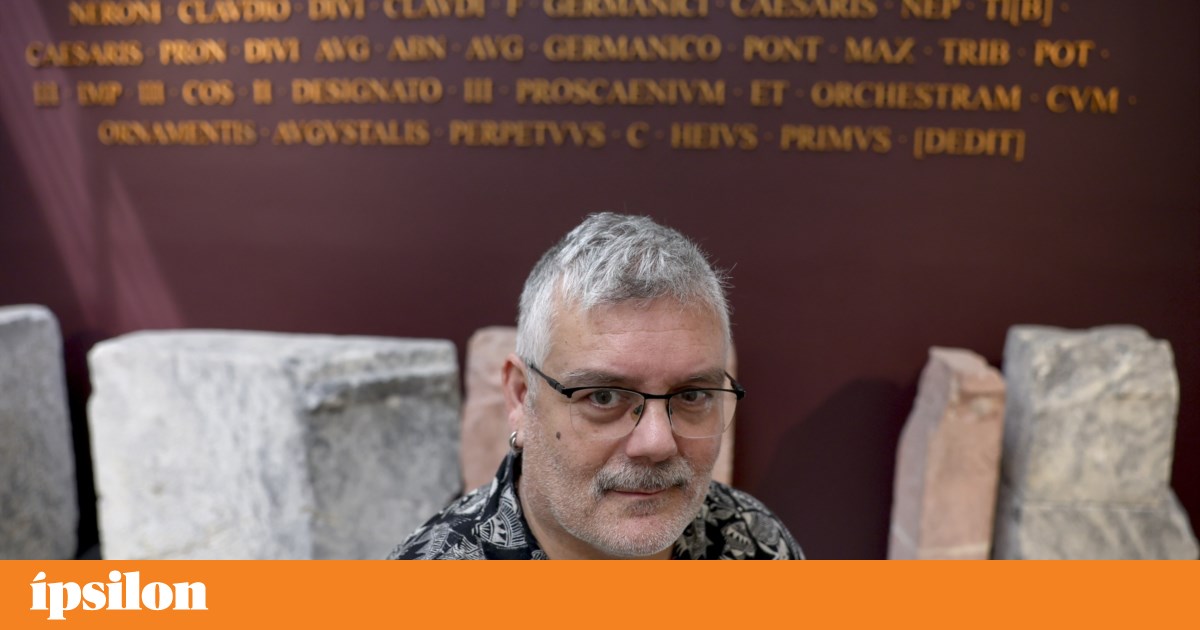
Sirens, horns, screams and pneumatic hammers. The noise in a contemporary city is hellish, especially those flooded by tourism. But none of this surprises André Simões. As we walk up Rua de São Mamede, on the way to the Roman Theater of Lisbon, the professor at the Faculty of Arts of the University of Lisbon (FLUL) jokes: “The confusion of a Roman city was certainly much worse”. Olissipo, as Lisbon was called then, was no exception. “Being a port city, which lived off commerce, there were people arriving and leaving at all times. People also went here in search of a better life, which was not always easy to find, given the precarious conditions of the less favored classes. Furthermore, the streets were cramped, carts circulated without any major traffic rules and fires were frequent in houses made of wood. A mess.”
PÚBLICO’s contribution to the country’s democratic and civic life lies in the strength of the relationship it establishes with its readers. To continue reading this article, subscribe to PÚBLICO. Call us at 808 200 095 or send us an email at subscriptions.online@publico.pt.