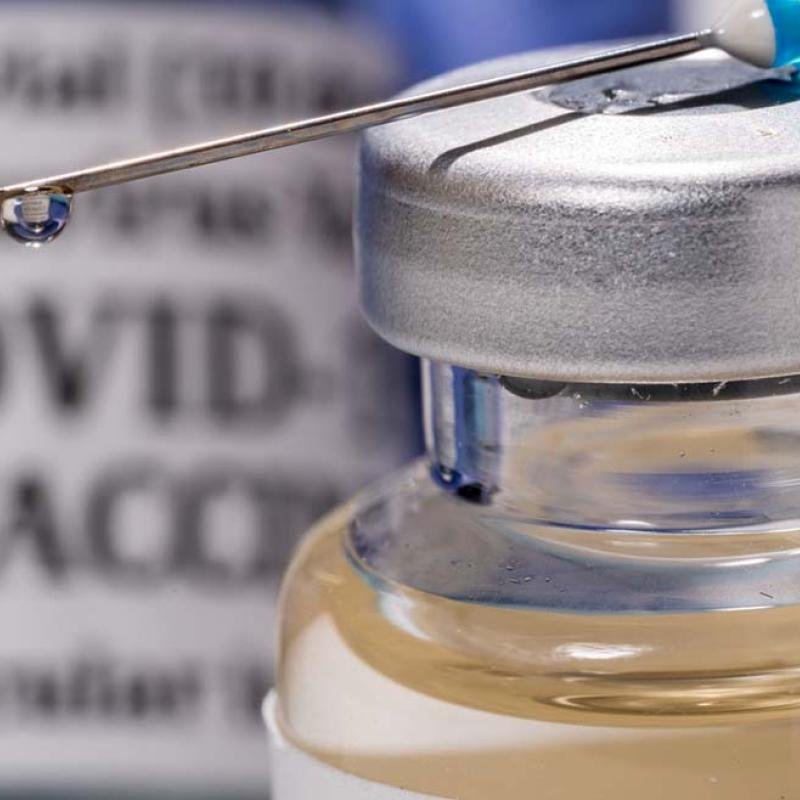
Immunisation is widely regarded as one of the most effective and cost-efficient ways to prevent disease, disability, and death. According to the World Health Organization, vaccines save between 3.5 and 5 million lives each year globally, protecting people from life-threatening illnesses across all stages of life.
Yet, despite its proven impact, gaps in access, awareness, and vaccine confidence continue to pose challenges, both globally and within the Caribbean.
Immunisation is the process by which a person becomes protected against a disease through vaccination. Vaccines work by stimulating the body’s immune system to recognise and fight specific pathogens, such as viruses or bacteria, without causing the disease itself.
This protection can be lifelong in some cases or may require booster doses to maintain immunity. Immunisation programmes typically begin at birth and continue through childhood, adolescence, and adulthood.
The World Health Organization describes immunisation as a cornerstone of primary healthcare and a fundamental human right. It is also critical to achieving global health goals, including reducing child mortality and controlling infectious diseases.
WHO data show that vaccines currently protect against more than 30 life-threatening diseases, and expanding coverage remains a priority, particularly in low- and middle-income countries.
In Jamaica, immunisation coverage has historically been strong, supported by the national Expanded Programme on Immunization (EPI) led by the Ministry of Health and Wellness Jamaica.
Childhood vaccination rates in Jamaica have generally remained above 90 per cent for key vaccines such as measles, polio, and DPT (diphtheria, pertussis and tetanus). However, like many countries, Jamaica experienced disruptions during the COVID-19 pandemic, leading to slight declines in routine immunisation coverage.
Across the wider Caribbean, the Pan American Health Organization reports that immunisation coverage averages between 85 and 95 per cent though disparities exist between countries and communities.
Despite these relatively strong figures, PAHO has warned that coverage gaps as small as 5 to 10 per cent can increase the risk of outbreaks, particularly for highly contagious diseases such as measles.
Vaccines protect against a wide range of serious and potentially fatal diseases, including:
• Measles, which can cause severe complications such as pneumonia and brain swelling;
• Polio, a disabling and life-threatening disease that can cause paralysis;
• Diphtheria, a bacterial infection that affects the throat and can block airways;
• Tetanus, which causes painful muscle stiffness and can be fatal;
• Whooping cough (pertussis), a highly contagious respiratory disease that is dangerous for infants;
• Hepatitis B, which can lead to chronic liver disease and cancer;
• Human papillomavirus (HPV), linked to cervical and other cancers;
• COVID-19 and influenza, which continue to affect vulnerable populations.
The WHO emphasises that maintaining high vaccination coverage is essential to preventing the re-emergence of diseases that have already been controlled or eliminated in many regions.
Globally and regionally, immunisation rates between males and females are generally similar in early childhood as programmes target all children equally. However, differences begin to emerge in adolescence and adulthood.
In Jamaica and across the Caribbean, girls often have higher vaccination rates in certain programmes, particularly for the HPV vaccine, which is primarily targeted at preventing cervical cancer. Public-health campaigns have historically focused on girls though efforts are now expanding to include boys.
Boys, by contrast, may have slightly lower uptake in adolescent vaccination programmes, often due to lower engagement with preventive healthcare services.
The Pan American Health Organization has encouraged countries to adopt more gender-inclusive approaches to vaccination, particularly for HPV, to ensure broader protection and herd immunity.
Even with high coverage rates, the risk of outbreaks remains if vaccination levels fall. The WHO warns that vaccine hesitancy, misinformation, and access barriers can reverse decades of progress. In Jamaica, public-health authorities continue to stress the importance of keeping immunisation schedules up to date, particularly for children, pregnant women, and vulnerable populations.
Immunisation is not just an individual choice. It is a collective responsibility. High vaccination coverage protects entire communities, including those who cannot be vaccinated due to medical conditions.
As the World Health Organization notes, vaccines are among the greatest achievements in public-health history. Sustaining their impact requires continued education, access, and trust. In Jamaica and across the Caribbean, strengthening immunisation programmes remains essential not only to prevent disease but to safeguard the health and future of generations to come