Wednesday, May 6, 2026
    The GeoStrategic Consensus
    No Result
    View All Result
    • Login
    • HOME
    • AMERICAS
      • Argentina
      • Brazil
      • Canada
      • Chile
      • Colombia
      • Costa Rica
      • Cuba
      • Dominican Republic
      • Ecuador
      • El Salvador
      • Greenland
      • Guatemala
      • Honduras
      • Mexico
      • Nicaragua
      • Panama
      • Paraguay
      • Peru
      • United States
      • Uruguay
      • Venezuela
    • ASIA-PACIFIC
      • Australia
      • Brunei Darussalam
      • Cambodia
      • China
      • Federated States of Micronesia
      • Fiji
      • Indonesia
      • Japan
      • Kiribati
      • Laos
      • Malaysia
      • Marshall Islands
      • Mongolia
      • Myanmar
      • Nauru
      • New Zealand
      • North Korea
      • Palau
      • Papua New Guinea
      • Philippines
      • Samoa
      • Singapore
      • Solomon Islands
      • South Korea
      • Taiwan
      • Thailand
      • Timor-Leste
      • Tonga
      • Tuvalu
      • Vanuatu
      • Vietnam
    • CARICOM
      • CARICOM – Non-English
        • Haiti
        • Suriname
      • CARICOM Associates
        • Anguilla
        • Bermuda
        • British-Virgin-Islands
        • Cayman-Islands
        • Curacao
        • Turks-and-Caicos
      • CARICOM English
        • Antigua and Barbuda
        • Barbados
        • Belize
        • Dominica
        • Grenada
        • Guyana
        • Jamaica
        • Montserrat
        • Saint Kitts and Nevis
        • Saint Lucia
        • Saint Vincent and the Grenadines
        • The Bahamas
        • Trinidad and Tobago
    • EURASIA
      • Armenia
      • Azerbaijan
      • Balarus
      • Georgia
      • Kazakhstan
      • Kyrgyzstan
      • Moldova
      • Russia
      • Tajikistan
      • Turkmenistan
      • Ukraine
      • Uzbekistan
    • EUROPE
      • Albania
      • Andorra
      • Austria
      • Bosnia and Herzegovina
      • Bulgaria
      • Croatia
      • Cyprus
      • Czech Republic
      • Denmark
      • Estonia
      • Finland
      • France
      • Germany
      • Greece
      • Holy See
      • Hungary
      • Iceland
      • Ireland
      • Italy
      • Kosovo
      • Latvia
      • Liechtenstein
      • Lithuania
      • Luxembourg
      • Malta
      • Monaco
      • Montenegro
      • Netherlands
      • North Macedonia
      • Norway
      • Poland
      • Portugal
      • Romania
      • San Marino
      • Serbia
      • Slovakia
      • Slovenia
      • Spain
      • Sweden
      • Switzerland
      • United Kingdom
    • MIDDLE EAST AND NORTH AFRICA
      • Algeria
      • Bahrain
      • Egypt
      • Iran
      • Iraq
      • Israel
      • Jordan
      • Kuwait
      • Lebanon
      • Lybia
      • Morocco
      • Oman
      • Palestinian Territories
      • Qatar
      • Saudi Arabia
      • Syria
      • Tunisia
      • Turkey
      • United Arab Emirates
      • Western Sahara
      • Yemen
    • SOUTH ASIA
      • Afghanistan
      • Bangladesh
      • Bhutan
      • India
      • Maldives
      • Nepal
      • Pakistan
      • Sri Lanka
    • SUB-SAHARAN AFRICA
      • Angola
      • Benin
      • Botswana
      • Burkina Faso
      • Burundi
      • Cabo Verde
      • Cameroon
      • Central African Republic
      • Chad
      • Comoros
      • Cote d’Ivoire
      • Democratic Republic of the Congo
      • Djibouti
      • Equatorial Guinea
      • Eritrea
      • Eswatini
      • Ethiopia
      • Gabon
      • Gambia
      • Ghana
      • Guinea
      • Guinea Bissau
      • Kenya
      • Lesotho
      • Liberia
      • Madagascar
      • Malawi
      • Mali
      • Mauritania
      • Mauritius
      • Mozambique
      • Namibia
      • Niger
      • Nigeria
      • Republic of the Congo
      • Rwanda
      • Sao Tome and Principe
      • Senegal
      • Seychelles
      • Sierra Leone
      • Somalia
      • South Africa
      • South Sudan
      • Sudan
      • Tanzania
      • Togo
      • Uganda
      • Zambia
      • Zimbabwe
    • HOME
    • AMERICAS
      • Argentina
      • Brazil
      • Canada
      • Chile
      • Colombia
      • Costa Rica
      • Cuba
      • Dominican Republic
      • Ecuador
      • El Salvador
      • Greenland
      • Guatemala
      • Honduras
      • Mexico
      • Nicaragua
      • Panama
      • Paraguay
      • Peru
      • United States
      • Uruguay
      • Venezuela
    • ASIA-PACIFIC
      • Australia
      • Brunei Darussalam
      • Cambodia
      • China
      • Federated States of Micronesia
      • Fiji
      • Indonesia
      • Japan
      • Kiribati
      • Laos
      • Malaysia
      • Marshall Islands
      • Mongolia
      • Myanmar
      • Nauru
      • New Zealand
      • North Korea
      • Palau
      • Papua New Guinea
      • Philippines
      • Samoa
      • Singapore
      • Solomon Islands
      • South Korea
      • Taiwan
      • Thailand
      • Timor-Leste
      • Tonga
      • Tuvalu
      • Vanuatu
      • Vietnam
    • CARICOM
      • CARICOM – Non-English
        • Haiti
        • Suriname
      • CARICOM Associates
        • Anguilla
        • Bermuda
        • British-Virgin-Islands
        • Cayman-Islands
        • Curacao
        • Turks-and-Caicos
      • CARICOM English
        • Antigua and Barbuda
        • Barbados
        • Belize
        • Dominica
        • Grenada
        • Guyana
        • Jamaica
        • Montserrat
        • Saint Kitts and Nevis
        • Saint Lucia
        • Saint Vincent and the Grenadines
        • The Bahamas
        • Trinidad and Tobago
    • EURASIA
      • Armenia
      • Azerbaijan
      • Balarus
      • Georgia
      • Kazakhstan
      • Kyrgyzstan
      • Moldova
      • Russia
      • Tajikistan
      • Turkmenistan
      • Ukraine
      • Uzbekistan
    • EUROPE
      • Albania
      • Andorra
      • Austria
      • Bosnia and Herzegovina
      • Bulgaria
      • Croatia
      • Cyprus
      • Czech Republic
      • Denmark
      • Estonia
      • Finland
      • France
      • Germany
      • Greece
      • Holy See
      • Hungary
      • Iceland
      • Ireland
      • Italy
      • Kosovo
      • Latvia
      • Liechtenstein
      • Lithuania
      • Luxembourg
      • Malta
      • Monaco
      • Montenegro
      • Netherlands
      • North Macedonia
      • Norway
      • Poland
      • Portugal
      • Romania
      • San Marino
      • Serbia
      • Slovakia
      • Slovenia
      • Spain
      • Sweden
      • Switzerland
      • United Kingdom
    • MIDDLE EAST AND NORTH AFRICA
      • Algeria
      • Bahrain
      • Egypt
      • Iran
      • Iraq
      • Israel
      • Jordan
      • Kuwait
      • Lebanon
      • Lybia
      • Morocco
      • Oman
      • Palestinian Territories
      • Qatar
      • Saudi Arabia
      • Syria
      • Tunisia
      • Turkey
      • United Arab Emirates
      • Western Sahara
      • Yemen
    • SOUTH ASIA
      • Afghanistan
      • Bangladesh
      • Bhutan
      • India
      • Maldives
      • Nepal
      • Pakistan
      • Sri Lanka
    • SUB-SAHARAN AFRICA
      • Angola
      • Benin
      • Botswana
      • Burkina Faso
      • Burundi
      • Cabo Verde
      • Cameroon
      • Central African Republic
      • Chad
      • Comoros
      • Cote d’Ivoire
      • Democratic Republic of the Congo
      • Djibouti
      • Equatorial Guinea
      • Eritrea
      • Eswatini
      • Ethiopia
      • Gabon
      • Gambia
      • Ghana
      • Guinea
      • Guinea Bissau
      • Kenya
      • Lesotho
      • Liberia
      • Madagascar
      • Malawi
      • Mali
      • Mauritania
      • Mauritius
      • Mozambique
      • Namibia
      • Niger
      • Nigeria
      • Republic of the Congo
      • Rwanda
      • Sao Tome and Principe
      • Senegal
      • Seychelles
      • Sierra Leone
      • Somalia
      • South Africa
      • South Sudan
      • Sudan
      • Tanzania
      • Togo
      • Uganda
      • Zambia
      • Zimbabwe
    No Result
    View All Result
    Agentially
    No Result
    View All Result
    Home EUROPE Serbia

    “Each of their strategies is a national tragedy”: What does the Strategy on Mineral Resources, which was adopted in the Serbian Parliament, envisage? – Economy

    The Analyst by The Analyst
    May 6, 2026
    in Serbia
    “Each of their strategies is a national tragedy”: What does the Strategy on Mineral Resources, which was adopted in the Serbian Parliament, envisage? – Economy


    The new Strategy on resource management in Serbia has opened old divisions in society. While the state announces economic growth through the exploitation of resources, part of the professional public and activists warn that the document was written in the interests of mining companies.

    READ ALSO

    Is the resolution of American congressmen on Kosovo’s membership in NATO a prelude to Belgrade’s diplomatic isolation or a new pressure to join the Alliance? – Politics

    The New York Times wrote about this bar three times, and Tito, Dragan Nikolić, Momo Kapor loved it

    The Serbian Parliament recently adopted the Strategy management of mineral and other geological resources of the Republic of Serbia until 2040 with projections until 2050. This one Strategy it immediately caused outrage from part of the public, who believe that it was adopted without the involvement of experts in this field, as well as that it will be harmful to Serbia.

    This attitude is not surprising if we remember the long-standing conflict between the state and environmental activists, with a divided expert public, over the Rio Tinto company’s Jadar project, where jadarite, a unique mineral containing significant amounts of lithium and boron, would be mined.

    Although that project has been officially suspended, many believe that it is only a temporary lull until conditions are created for further work on the opening of this mine near Loznica. And many think that this Strategy is exactly a step in that direction.

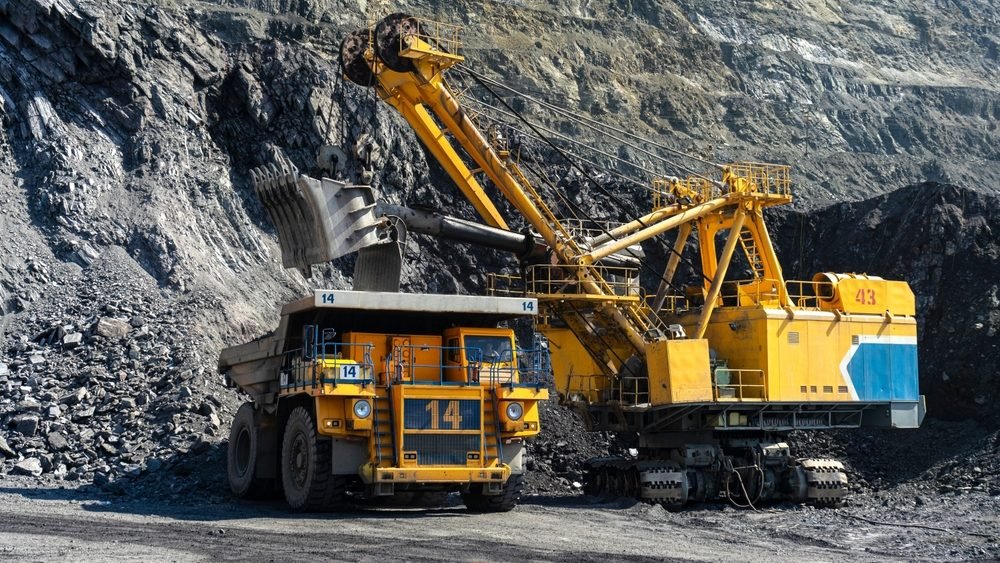
    In addition to the Jadar project, the Strategy envisages numerous explorations and the opening of other mines throughout Serbia, among which there is another potential source of lithium in the vicinity of Valjevo, but it is in the research phase.

    Lithium and boron are designated as critical and strategic raw materials in the Strategy, but also copper, nickel, cobalt, as well as metal raw materials such as gold, silver, lead, zinc…

    Therefore, with this Strategy, the state defines how it will explore, exploit and manage the mineral resources of the country. In it, mineral resources are treated as a non-renewable but key economic resource.

    The focus of the Strategy is, above all, on the development of mining as one of the important branches of the economic development of Serbia. With these solutions, Serbia wants to influence the increase of GDP through mining, but with the attraction of foreign investments and greater export of raw materials and metals.

    “Exploitation of non-renewable mineral wealth, i.e. mineral raw materials, and renewable geological resources is unequivocally a necessary prerequisite for the existence of today’s civilization,” the text states.

    It is also added that faster and better economic growth, as an indicator of socio-economic development, which includes the energy transition, requires increasing amounts of many mineral raw materials.

    “The consequence of this fact is that the mining activity, as the bearer of the management of the mineral and raw material complex, in the context of the prevailing desire for further growth of the material standard of living, is not a matter of choice, but an inevitability,” the Strategy emphasized.

    This document also provides guidelines for the intensification of geological research and the opening of new mines. Also, it is claimed that it aligns Serbia with EU policies, energy transition and global demand for raw materials.

    Therefore, the Strategy envisages intensive geological research, i.e. resource mapping throughout the country, then the opening of new mines, but also the modernization of the mining industry.

    It is also planned to work on sustainable mining, reducing the negative impact on the environment and rehabilitating mining areas.

    The general conclusion is that the Strategy clearly focuses on exploitation, and not so much on protection. It starts from the fact that resources are an economic potential that should be used to the maximum, while the ecological aspect is included, but as a secondary one.

    Globally, the text of this Strategy in practice means that cases like the “Jadar” project could become the rule, not the exception.

    Nebojša Petković from the “Ne damo Jadar” association indicates to Danas that the Strategy was written for the needs of mining companies.

    “The Ziđin company also participated in the writing of this Strategy, which has already caused damage of epic proportions in the east of Serbia,” emphasizes our interlocutor.

    As he adds, the Strategy places mining as a priority activity and does not even protect natural and cultural assets protected by law, which, Petković believes, is absurd.

    “They even go so far as to explicitly say that mining is not a matter of choice but an inevitability. Our industry is not at the level of development that we need our own raw materials, so they would be exported as primary, simple products, which is catastrophic,” he warns.

    According to him, mining companies in Serbia have already behaved as if such a strategy existed, and this is just a wind at their backs.

    “Until now, laws have been enormously violated during investigative actions, and the judiciary, primarily the prosecution, has dragged out almost every process to the point of statute of limitations. An example is the proceedings that were initiated in 2021 against the Rio Tinto company, and only last year the police investigation began,” notes Petković.

    He reminds that a new Law on Mining is also being prepared, and that they justify it by the need for harmonization with the EU Directive on critical raw materials.

    “I believe that they will fulfill some of the demands of the mining companies, because everything this government does is to the detriment of the state and citizens, and to the benefit of big capital. Each of their strategies is a national tragedy,” says our interlocutor.

    Petković adds that Serbia has neither a Development Plan nor a Spatial Plan, and adopts the Mineral Resources Management Strategy, which should derive from these two documents.

    However, as he says, as far as their fight is concerned, nothing changes there.

    “Mining companies have been doing what they wanted until now, and all we have to do is physically prevent them from doing anything,” concludes Petković.

    On the other hand, technology engineer Dušan Blagojević told Danas that Serbia initiated key reform steps in the mining sector this year and last year – the drafting of the new Law on Mining and Geological Research and the adoption of the Strategy for the Management of Mineral and Other Geological Resources until 2040.

    “These changes bring alignment with EU standards — the integration of the Regulation on Critical Raw Materials (CRMA), the European Green Deal and ESG principles (Environmental, Social, Governance), as well as the introduction of international reporting systems (PERC, UNFC, PRMS),” he points out.

    As he adds, this also strengthens the role of the state.

    “There is better protection and management of strategic and critical minerals (lithium, boron, copper, etc.), clearer criteria for identifying deposits and their mandatory integration into spatial and development plans,” emphasizes Blagojević.

    He adds that both transparency and efficiency are increasing.

    “Digitalization of processes, public access to data, more precise procedures for granting rights to research and exploitation, as well as greater predictability and supervision are being introduced,” says our interlocutor.

    Another important thing, in his opinion, is sustainability.

    “Investors’ obligations in the field of environmental protection, recultivation, remediation and circular economy have been strengthened,” he emphasizes.

    The strategy complements this with a three-pillar approach (economic, ecological and social), explains Blagojević.

    “This is achieved by focusing on critical raw materials for the green transition, modernizing geological research, strengthening institutions and balancing development and sustainability,” he says.

    Blagojević summarizes that the expected benefits are greater legal certainty for investors, more rational use of resources, better competitiveness of Serbian mining, support for energy security and EU integration.

    However, as he points out, the experience with previous laws aimed at harmonization with the EU shows that the state often does not have the capacity or the will to enact the necessary by-laws in a timely manner.

    “Deadlines for their adoption are regularly missed, which makes full and smooth implementation of new legal solutions impossible,” warns Blagojević.

    As he adds, the same risk exists with the new law on mining.

    “Without timely and high-quality implementation of by-laws (regulations, regulations, standards), modernization on paper can only remain declarative, and the practical effects will be limited,” according to our interlocutor.

    Blagojević also states that the amendments to the Law on Mining are not in favor of Rio Tinto.

    “The key changes to the Mining Law from 2015 significantly worsened the position of companies like Rio Tinto compared to the previous regime. Before 2015, it was valid that a company that certified reserves automatically received the right to exploit, and this was valid indefinitely. Since 2015, the right to exploit is limited to six years from the certification of reserves. Within that period, the company must obtain a license to exploit, otherwise it loses priority,” he explains.

    Blagojević reminds that Rio Tinto certified the reserves for the Jadar project on December 10, 2020, which means that their term expires at the end of 2026.

    “Additional problems for Rio Tinto, according to him, were due to multi-year delays in issuing permits, the obligation to report according to the PERC standard, while the company uses the JORC Code, and potential changes in the process of creating an impact study (integral study instead of several separate ones),” he points out.

    All this, Blagojević claims, led to the current situation with that project.

    “Due to a cumulative delay of almost four years, Rio Tinto has put the project on hold, as it is unable to meet legal deadlines on time, despite previously having virtually unlimited exploitation rights,” he concludes.

    Follow us on our Facebook and Instagram page, but also on X account. Subscribe to PDF edition of Danas newspaper.



    Source link

    Related Posts

    Is the resolution of American congressmen on Kosovo’s membership in NATO a prelude to Belgrade’s diplomatic isolation or a new pressure to join the Alliance? – Politics
    Serbia

    Is the resolution of American congressmen on Kosovo’s membership in NATO a prelude to Belgrade’s diplomatic isolation or a new pressure to join the Alliance? – Politics

    May 6, 2026
    The New York Times wrote about this bar three times, and Tito, Dragan Nikolić, Momo Kapor loved it
    Serbia

    The New York Times wrote about this bar three times, and Tito, Dragan Nikolić, Momo Kapor loved it

    May 5, 2026
    Trick for a tick-free yard: Plant these plants, they’ll run headfirst regardless
    Serbia

    Trick for a tick-free yard: Plant these plants, they’ll run headfirst regardless

    May 5, 2026
    Vučić: Shandong will build Vožda Karađorđe highway, worth 1.3 billion euros – Economy
    Serbia

    Vučić: Shandong will build Vožda Karađorđe highway, worth 1.3 billion euros – Economy

    May 5, 2026
    Tusk: Politics must not be about giving in to whims and pandering to the world’s most powerful leaders – World
    Serbia

    Tusk: Politics must not be about giving in to whims and pandering to the world’s most powerful leaders – World

    May 5, 2026
    King Charles offered an antidote to the Trump era, were the messages understood: Simon Tisdall analyzes the British monarch’s visit to the United States – World
    Serbia

    King Charles offered an antidote to the Trump era, were the messages understood: Simon Tisdall analyzes the British monarch’s visit to the United States – World

    May 5, 2026
    Next Post
    The PSD decides the date on which it submits the censure motion for the dismissal of the Bolojan Government. Two options for social democrats

    The PSD decides the date on which it submits the censure motion for the dismissal of the Bolojan Government. Two options for social democrats

    POPULAR NEWS

    Justin Bieber fans flood Coachella festival for headlining show – Entertainment

    Justin Bieber fans flood Coachella festival for headlining show – Entertainment

    April 20, 2026

    Over 600 flee homes as Army, NPA clash in Negros Occidental

    April 21, 2026

    Ex-DPWH exec recalls P800-M ‘delivery’ to Zaldy Co 

    April 20, 2026

    Former PM Paluckas suspends party membership, to waive immunity over criminal probe

    April 24, 2026
    Pres. Ali challenges CARICOM to transform into health research powerhouse

    Pres. Ali challenges CARICOM to transform into health research powerhouse

    April 23, 2026

    EDITOR'S PICK

    What time do the polling stations open TODAY, April 12 in Peru? This is what the ONPE says

    What time do the polling stations open TODAY, April 12 in Peru? This is what the ONPE says

    April 12, 2026
    Argument in the tent (124) – the True Time

    Argument in the tent (124) – the True Time

    April 15, 2026
    How to optimize the use of air conditioning in the midst of high temperatures: this is what an expert advises | Ecuador | News

    How to optimize the use of air conditioning in the midst of high temperatures: this is what an expert advises | Ecuador | News

    April 12, 2026
    They capture an alleged couple of car thieves after a chase and shootout for theft of a pick-up truck in Escuintla

    They capture an alleged couple of car thieves after a chase and shootout for theft of a pick-up truck in Escuintla

    April 30, 2026

    Recent Posts

    • Lee says ‘partial, phased’ constitutional revision would be ‘realistic’
    • In May, Korea turns to families
    • Taiwanese citrus jam garners multiple awards
    • Hajiji: Sabah to boost ESSZone security with AI, advanced tech

      © 2026 Agentially - Navigating shifting sovereignties and global risk .

      Welcome Back!

      Login to your account below

      Forgotten Password?

      Retrieve your password

      Please enter your username or email address to reset your password.

      Log In
      No Result
      View All Result

        © 2026 Agentially - Navigating shifting sovereignties and global risk .

        This website uses cookies. By continuing to use this website you are giving consent to cookies being used. Visit our Privacy and Cookie Policy.