Wednesday, May 6, 2026
    The GeoStrategic Consensus
    No Result
    View All Result
    • Login
    • HOME
    • AMERICAS
      • Argentina
      • Brazil
      • Canada
      • Chile
      • Colombia
      • Costa Rica
      • Cuba
      • Dominican Republic
      • Ecuador
      • El Salvador
      • Greenland
      • Guatemala
      • Honduras
      • Mexico
      • Nicaragua
      • Panama
      • Paraguay
      • Peru
      • United States
      • Uruguay
      • Venezuela
    • ASIA-PACIFIC
      • Australia
      • Brunei Darussalam
      • Cambodia
      • China
      • Federated States of Micronesia
      • Fiji
      • Indonesia
      • Japan
      • Kiribati
      • Laos
      • Malaysia
      • Marshall Islands
      • Mongolia
      • Myanmar
      • Nauru
      • New Zealand
      • North Korea
      • Palau
      • Papua New Guinea
      • Philippines
      • Samoa
      • Singapore
      • Solomon Islands
      • South Korea
      • Taiwan
      • Thailand
      • Timor-Leste
      • Tonga
      • Tuvalu
      • Vanuatu
      • Vietnam
    • CARICOM
      • CARICOM – Non-English
        • Haiti
        • Suriname
      • CARICOM Associates
        • Anguilla
        • Bermuda
        • British-Virgin-Islands
        • Cayman-Islands
        • Curacao
        • Turks-and-Caicos
      • CARICOM English
        • Antigua and Barbuda
        • Barbados
        • Belize
        • Dominica
        • Grenada
        • Guyana
        • Jamaica
        • Montserrat
        • Saint Kitts and Nevis
        • Saint Lucia
        • Saint Vincent and the Grenadines
        • The Bahamas
        • Trinidad and Tobago
    • EURASIA
      • Armenia
      • Azerbaijan
      • Balarus
      • Georgia
      • Kazakhstan
      • Kyrgyzstan
      • Moldova
      • Russia
      • Tajikistan
      • Turkmenistan
      • Ukraine
      • Uzbekistan
    • EUROPE
      • Albania
      • Andorra
      • Austria
      • Bosnia and Herzegovina
      • Bulgaria
      • Croatia
      • Cyprus
      • Czech Republic
      • Denmark
      • Estonia
      • Finland
      • France
      • Germany
      • Greece
      • Holy See
      • Hungary
      • Iceland
      • Ireland
      • Italy
      • Kosovo
      • Latvia
      • Liechtenstein
      • Lithuania
      • Luxembourg
      • Malta
      • Monaco
      • Montenegro
      • Netherlands
      • North Macedonia
      • Norway
      • Poland
      • Portugal
      • Romania
      • San Marino
      • Serbia
      • Slovakia
      • Slovenia
      • Spain
      • Sweden
      • Switzerland
      • United Kingdom
    • MIDDLE EAST AND NORTH AFRICA
      • Algeria
      • Bahrain
      • Egypt
      • Iran
      • Iraq
      • Israel
      • Jordan
      • Kuwait
      • Lebanon
      • Lybia
      • Morocco
      • Oman
      • Palestinian Territories
      • Qatar
      • Saudi Arabia
      • Syria
      • Tunisia
      • Turkey
      • United Arab Emirates
      • Western Sahara
      • Yemen
    • SOUTH ASIA
      • Afghanistan
      • Bangladesh
      • Bhutan
      • India
      • Maldives
      • Nepal
      • Pakistan
      • Sri Lanka
    • SUB-SAHARAN AFRICA
      • Angola
      • Benin
      • Botswana
      • Burkina Faso
      • Burundi
      • Cabo Verde
      • Cameroon
      • Central African Republic
      • Chad
      • Comoros
      • Cote d’Ivoire
      • Democratic Republic of the Congo
      • Djibouti
      • Equatorial Guinea
      • Eritrea
      • Eswatini
      • Ethiopia
      • Gabon
      • Gambia
      • Ghana
      • Guinea
      • Guinea Bissau
      • Kenya
      • Lesotho
      • Liberia
      • Madagascar
      • Malawi
      • Mali
      • Mauritania
      • Mauritius
      • Mozambique
      • Namibia
      • Niger
      • Nigeria
      • Republic of the Congo
      • Rwanda
      • Sao Tome and Principe
      • Senegal
      • Seychelles
      • Sierra Leone
      • Somalia
      • South Africa
      • South Sudan
      • Sudan
      • Tanzania
      • Togo
      • Uganda
      • Zambia
      • Zimbabwe
    • HOME
    • AMERICAS
      • Argentina
      • Brazil
      • Canada
      • Chile
      • Colombia
      • Costa Rica
      • Cuba
      • Dominican Republic
      • Ecuador
      • El Salvador
      • Greenland
      • Guatemala
      • Honduras
      • Mexico
      • Nicaragua
      • Panama
      • Paraguay
      • Peru
      • United States
      • Uruguay
      • Venezuela
    • ASIA-PACIFIC
      • Australia
      • Brunei Darussalam
      • Cambodia
      • China
      • Federated States of Micronesia
      • Fiji
      • Indonesia
      • Japan
      • Kiribati
      • Laos
      • Malaysia
      • Marshall Islands
      • Mongolia
      • Myanmar
      • Nauru
      • New Zealand
      • North Korea
      • Palau
      • Papua New Guinea
      • Philippines
      • Samoa
      • Singapore
      • Solomon Islands
      • South Korea
      • Taiwan
      • Thailand
      • Timor-Leste
      • Tonga
      • Tuvalu
      • Vanuatu
      • Vietnam
    • CARICOM
      • CARICOM – Non-English
        • Haiti
        • Suriname
      • CARICOM Associates
        • Anguilla
        • Bermuda
        • British-Virgin-Islands
        • Cayman-Islands
        • Curacao
        • Turks-and-Caicos
      • CARICOM English
        • Antigua and Barbuda
        • Barbados
        • Belize
        • Dominica
        • Grenada
        • Guyana
        • Jamaica
        • Montserrat
        • Saint Kitts and Nevis
        • Saint Lucia
        • Saint Vincent and the Grenadines
        • The Bahamas
        • Trinidad and Tobago
    • EURASIA
      • Armenia
      • Azerbaijan
      • Balarus
      • Georgia
      • Kazakhstan
      • Kyrgyzstan
      • Moldova
      • Russia
      • Tajikistan
      • Turkmenistan
      • Ukraine
      • Uzbekistan
    • EUROPE
      • Albania
      • Andorra
      • Austria
      • Bosnia and Herzegovina
      • Bulgaria
      • Croatia
      • Cyprus
      • Czech Republic
      • Denmark
      • Estonia
      • Finland
      • France
      • Germany
      • Greece
      • Holy See
      • Hungary
      • Iceland
      • Ireland
      • Italy
      • Kosovo
      • Latvia
      • Liechtenstein
      • Lithuania
      • Luxembourg
      • Malta
      • Monaco
      • Montenegro
      • Netherlands
      • North Macedonia
      • Norway
      • Poland
      • Portugal
      • Romania
      • San Marino
      • Serbia
      • Slovakia
      • Slovenia
      • Spain
      • Sweden
      • Switzerland
      • United Kingdom
    • MIDDLE EAST AND NORTH AFRICA
      • Algeria
      • Bahrain
      • Egypt
      • Iran
      • Iraq
      • Israel
      • Jordan
      • Kuwait
      • Lebanon
      • Lybia
      • Morocco
      • Oman
      • Palestinian Territories
      • Qatar
      • Saudi Arabia
      • Syria
      • Tunisia
      • Turkey
      • United Arab Emirates
      • Western Sahara
      • Yemen
    • SOUTH ASIA
      • Afghanistan
      • Bangladesh
      • Bhutan
      • India
      • Maldives
      • Nepal
      • Pakistan
      • Sri Lanka
    • SUB-SAHARAN AFRICA
      • Angola
      • Benin
      • Botswana
      • Burkina Faso
      • Burundi
      • Cabo Verde
      • Cameroon
      • Central African Republic
      • Chad
      • Comoros
      • Cote d’Ivoire
      • Democratic Republic of the Congo
      • Djibouti
      • Equatorial Guinea
      • Eritrea
      • Eswatini
      • Ethiopia
      • Gabon
      • Gambia
      • Ghana
      • Guinea
      • Guinea Bissau
      • Kenya
      • Lesotho
      • Liberia
      • Madagascar
      • Malawi
      • Mali
      • Mauritania
      • Mauritius
      • Mozambique
      • Namibia
      • Niger
      • Nigeria
      • Republic of the Congo
      • Rwanda
      • Sao Tome and Principe
      • Senegal
      • Seychelles
      • Sierra Leone
      • Somalia
      • South Africa
      • South Sudan
      • Sudan
      • Tanzania
      • Togo
      • Uganda
      • Zambia
      • Zimbabwe
    No Result
    View All Result
    Agentially
    No Result
    View All Result
    Home MIDDLE EAST and NORTH AFRICA Iran

    Increasing concerns about the working conditions and livelihood of workers / war conditions is not a license to weaken the labor law

    The Analyst by The Analyst
    May 6, 2026
    in Iran
    Increasing concerns about the working conditions and livelihood of workers / war conditions is not a license to weaken the labor law


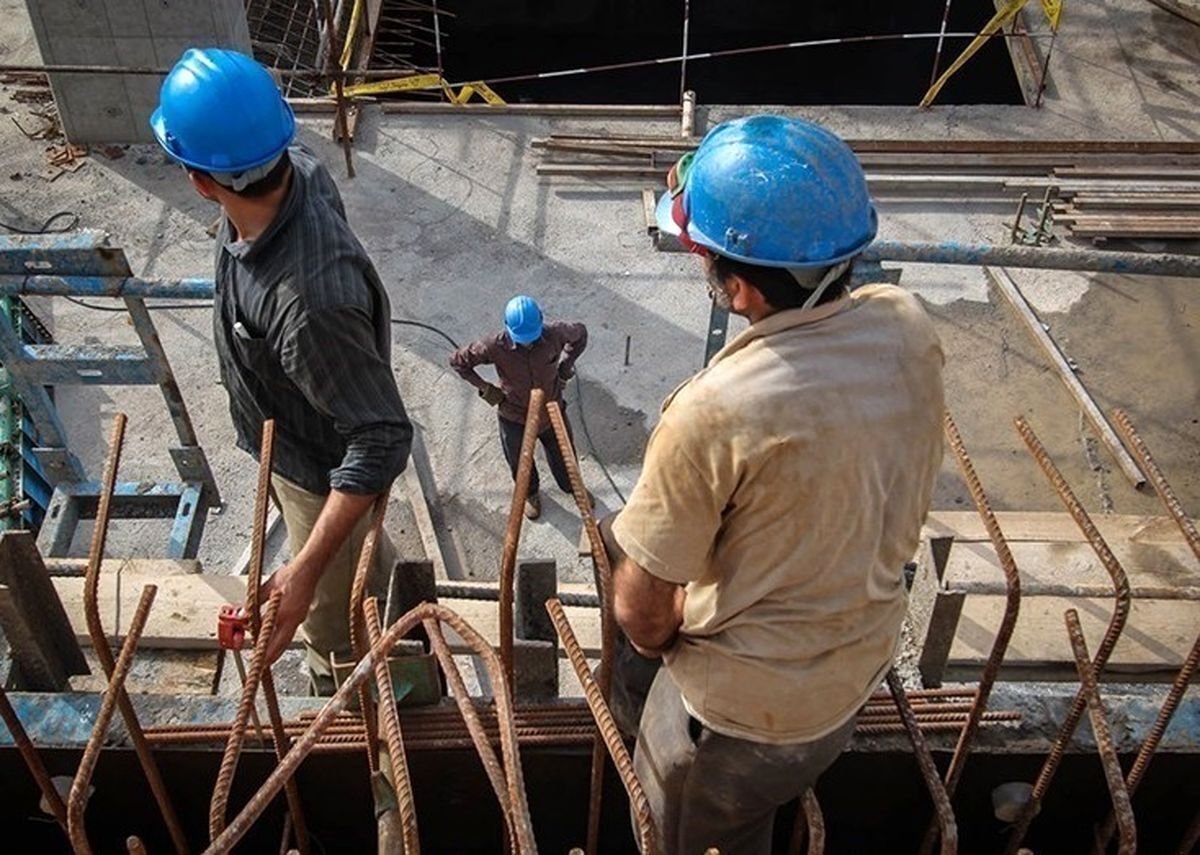
    According to the online economy report, citing Tasnim, while the livelihood pressure on workers has reached one of the most severe levels in recent years, some new decisions in the field of wages and employment have created the concern that, under the pretext of economic conditions, the protective foundations of the labor law will gradually weaken; A path that, if not corrected, can lead to structural changes in the country’s labor rights system.

    READ ALSO

    The candle of awareness in the hands of the Martyr teachers of Minab School has disgraced the darkness

    A bitter and sudden event for Iran / the star of the national team lost the World Cup

    Samia Golpour, the head of the Supreme Center of Workers’ Trade Unions, has written a note about this:

    In a situation where the livelihood pressure on the working community has reached its highest level in recent years, it is a natural expectation that the policymaker in the labor field will emphasize more than ever on the strict implementation of the labor law and maintaining minimum support. However, what can be seen in clauses 8 and 9 of the 1405 Wage Law is not strengthening the law but opening loopholes to bypass it; Loopholes that, if fixed, can lead to structural changes in the labor rights system.

    The fact is that some decision-makers are taking advantage of the economic conditions and the so-called “war conditions” to make holes in the labor law. The two notes that have been added to the wage approval can in practice open the way for an agreed wage; That is, the same thing that the labor law intended to prevent by determining the minimum wage. The minimum wage in Article 41 of the Labor Law is a mandatory rule, and its philosophy is to prevent destructive competition over the reduction of labor wages. Any mechanism that makes it possible to pay less than this minimum is actually weakening the main pillar of the labor law protection system.

    The concern becomes more serious when there are rumors about the elimination or reduction of the employer’s insurance premium share. If this path continues, the result could be the creation of a new pattern of employment in which lower wages, weaker insurance and more fragile job security are introduced as “employment policy”. In other words, a permanent change in the labor rights system is taking place; That too under the pretext of a temporary economic condition.

    Meanwhile, in the experience of social policy, the solution to face the economic crisis is clear: the government should manage the cost of the crisis through support tools, not by transferring it to the labor force. Tools such as wage subsidies for workers, low-cost facilities for enterprises, targeted tax exemptions or active labor market policies are designed precisely for these conditions. But instead of using these tools, a simpler path has been chosen: reducing legal labor standards.

    On the other hand, in the justification of some of these policies, concepts such as “public benefit work”, “public employment” or “supportive employment” are mentioned; While in social policy literature, these programs have a clear definition. Public employment is basically designed for people who have not had a job before and are among the poor and poor unemployed. In these schemes, by providing grants or financial support, the government asks these people to participate in public activities such as elderly care, social services or local affairs.

    But what is taking shape now is something different. In this model, instead of being employed in public activities, labor is actually provided to contractors and other employers; That too with lower wage and insurance standards. In such a case, the plan that should be a tool of social protection becomes a mechanism to provide cheap labor for the market.

    This is exactly the approach that some theorists call “profitable poverty alleviation”; That is, policies that are apparently designed with the aim of reducing poverty, but in practice lead to the creation of a new market of cheap labor. In such a model, poverty is neither eradicated nor reduced, but merely transformed into a new form of management and even a source of profit.

    Meanwhile, a contradiction can be seen in policy making. On the one hand, at the level of discourse, there is talk of gathering contracting companies and eliminating labor mediation; But on the other hand, mechanisms are designed that reproduce the same mediation in a new format. If the labor force is to be provided to the contractors through support schemes or public employment, practically a new form of the same previous structure has been reconstructed; A structure that violates even the boundaries of the minimum wage and the floor of social support.

    From a legal point of view, the matter is not so complicated. Article 41 of the Labor Law, the principles of the Constitution in the field of economic justice, as well as the fundamental rules of labor rights, all emphasize one principle: the labor force protection minimums cannot be reduced. This is why the serious question is raised now whether the recent policies in the field of wages and employment are compatible with the labor law or not.

    In such a situation, it must be said clearly that the Ministry of Labor and the government are facing serious ambiguity in complying with the labor law. When the text of the law is clear, but resolutions are drawn up that allow it to be circumvented, the issue is no longer just an expert dispute; Rather, it is a matter of law enforcement.

    Based on this, it is necessary to urgently review paragraphs 8 and 9 of the 1405 Wage Resolution and remove any mechanism that allows paying wages lower than the legal minimum approved by the Supreme Labor Council or weakening insurance coverage from the text of the resolution. Also, the Administrative Court of Justice should carefully examine this issue from the point of view of compliance with Article 41 of the Labor Law.

    What is at stake today is not just a clause in the wage decree; The subject is the future of the labor force support system in Iran. If the minimum wage, insurance and job security are gradually weakened due to economic conditions, the result will be nothing but the spread of poverty and instability in the labor market.

    And this is exactly the point where the policymaker has to decide: to comply with the labor law or continue on the path of disobeying it.

    Source link

    Related Posts

    The candle of awareness in the hands of the Martyr teachers of Minab School has disgraced the darkness
    Iran

    The candle of awareness in the hands of the Martyr teachers of Minab School has disgraced the darkness

    May 6, 2026
    A bitter and sudden event for Iran / the star of the national team lost the World Cup
    Iran

    A bitter and sudden event for Iran / the star of the national team lost the World Cup

    May 6, 2026
    Iran

    Iran’s attacks disabled a large part of American bases

    May 6, 2026
    The price of all kinds of fruits and vegetables today, Monday, May 14, 1405
    Iran

    The price of all kinds of fruits and vegetables today, Monday, May 14, 1405

    May 5, 2026
    Iran

    Blockage of Tawheed tunnel tonight from 24 to 5 am

    May 5, 2026
    The latest state of the country’s roads was announced
    Iran

    The latest state of the country’s roads was announced

    May 5, 2026
    Next Post
    The Association for the Protection of Sahrawi Prisoners expresses its denunciation of the crime that targeted the political prisoner Abdel-Mawla Al-Hafidi.

    The Association for the Protection of Sahrawi Prisoners expresses its denunciation of the crime that targeted the political prisoner Abdel-Mawla Al-Hafidi.

    POPULAR NEWS

    Justin Bieber fans flood Coachella festival for headlining show – Entertainment

    Justin Bieber fans flood Coachella festival for headlining show – Entertainment

    April 20, 2026

    Over 600 flee homes as Army, NPA clash in Negros Occidental

    April 21, 2026

    Ex-DPWH exec recalls P800-M ‘delivery’ to Zaldy Co 

    April 20, 2026

    Former PM Paluckas suspends party membership, to waive immunity over criminal probe

    April 24, 2026
    Pres. Ali challenges CARICOM to transform into health research powerhouse

    Pres. Ali challenges CARICOM to transform into health research powerhouse

    April 23, 2026

    EDITOR'S PICK

    President Brahim Ghali awards Medal of Republic to supporters of Sahrawi cause

    President Brahim Ghali awards Medal of Republic to supporters of Sahrawi cause

    May 1, 2026
    Cumaná has been without piped drinking water for two months after the collapse of the Turimiquire reservoir

    Cumaná has been without piped drinking water for two months after the collapse of the Turimiquire reservoir

    April 28, 2026
    “Sorry we lied.” The minister continues to lie

    “Sorry we lied.” The minister continues to lie

    April 24, 2026
    CBC investigation finds grocers Loblaw, Sobeys overcharging for underweight meat — again

    CBC investigation finds grocers Loblaw, Sobeys overcharging for underweight meat — again

    April 14, 2026

    Recent Posts

    • Rosé, spritz and pressé: 5 things to drink in France this summer
    • “Maischberger” in the TV review: Is the health care reform taking the insured for fools?
    • Journalist killed in southern Lebanon She knew she could die – and drove anyway
    • Telex: Coffee salami and banana fish with the smell of ozone, to Beethoven

      © 2026 Agentially - Navigating shifting sovereignties and global risk .

      Welcome Back!

      Login to your account below

      Forgotten Password?

      Retrieve your password

      Please enter your username or email address to reset your password.

      Log In
      No Result
      View All Result

        © 2026 Agentially - Navigating shifting sovereignties and global risk .

        This website uses cookies. By continuing to use this website you are giving consent to cookies being used. Visit our Privacy and Cookie Policy.