Cumaná, the first city founded on the mainland during the Spanish conquest in America, completed two continuous months this Wednesday without piped water service. The capital of the state of Sucre is going through one of the longest water crises in recent years, without regional or national authorities having offered updated official information or a specific date for the restoration of service.
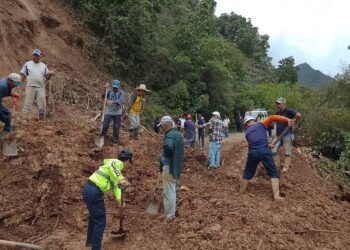
The supply cutoff began on February 22, after an earthquake that caused a collapse and the obstruction of the Turimiquire reservoir transfer tunnel, the city’s main source of supply.
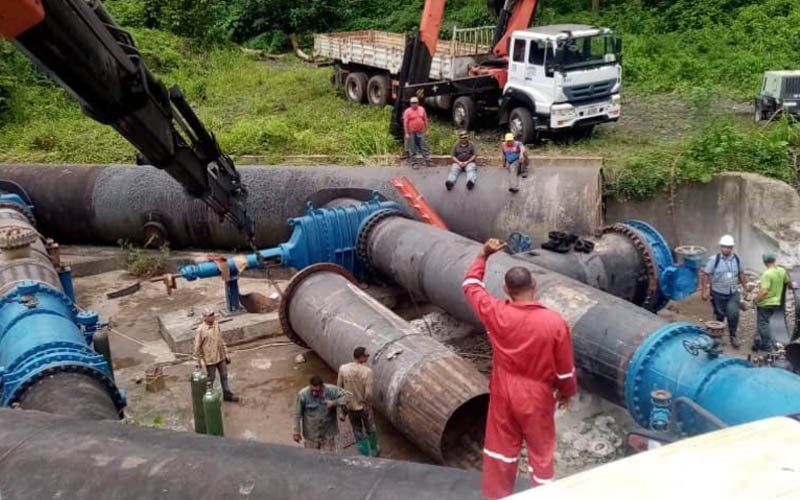
Authorities initially presented the incident as “preventive maintenance,” but the problem worsened with the collapse of the tunnel. Diving teams and heavy machinery are working in the area, although the population sees no visible progress.
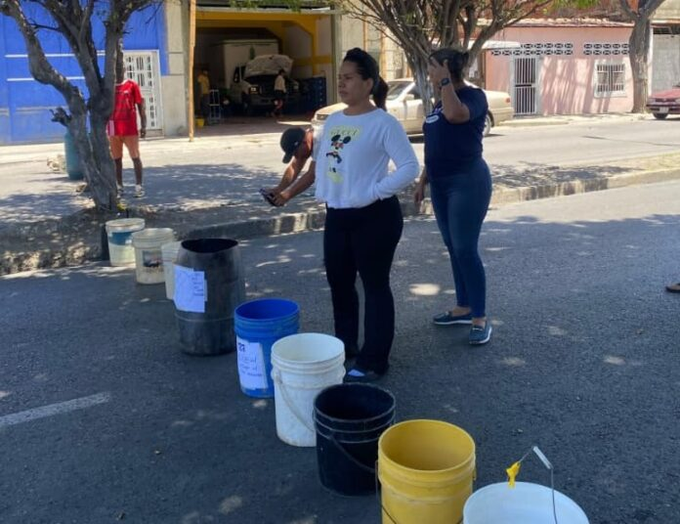
More than 800,000 people in the Cruz Salmerón Acosta, Bolívar and Sucre municipalities, in the state of Sucre, in addition to 40% of the island of Margarita in Nueva Esparta, currently depend on irregular cisterns that arrive at dawn, on trips to the Manzanares River or even on the use of salt water from the beach for sanitary purposes.
Residents consulted by the regional press report queues of up to five hours to obtain water, an increase in gastrointestinal diseases—especially among children and the elderly—and the partial closure of numerous businesses.
Economic losses are estimated at $16 million, with a 60% drop in commercial activity in the area. The local government declared a state of emergency on March 6 and announced the distribution of tankers; In that same period, the president in charge, Delcy Rodríguez, assured that the problem was “solved.”
However, two months later there is no official schedule or public technical report on the status of the repairs, highlights a report from the Puerto La Cruz media outlet El Tiempo.
The last official information was offered by the Minister for Water Management, Carlos Mast, in mid-April. The official indicated that the technical team was just 100 meters from the crucial connection point.
Nine days have passed since that statement and no update has been issued on the progress or the estimated completion date of the works.
Colleges and universities returned to virtual classes due to the impossibility of guaranteeing basic hygiene conditions. Journalist Nayrobis Rodríguez and Joanne Jesús González, from Radio Fe y Alegría Noticias, have documented the day-to-day life of the crisis in the eastern region.
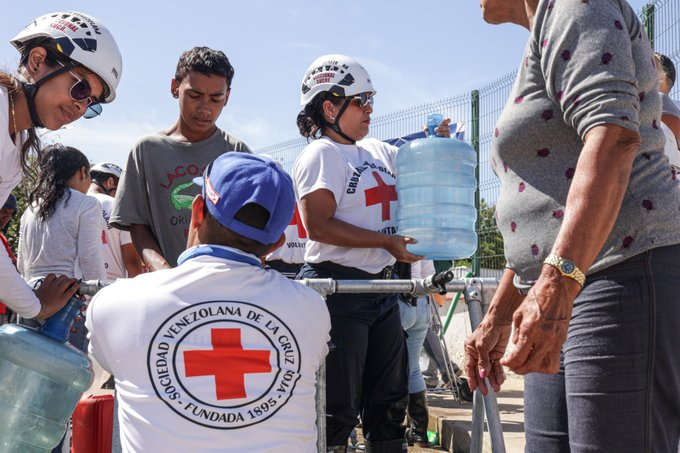
«The Red Cross maintains its humanitarian assistance active and distributes around 4,000 liters of water daily. Recently, the European Union approved 150 thousand euros to finance this support over the next three months. However, several communities report that the promised frequency in the distribution of tanker trucks is not met,” the communicators denounce.
Two months after the declaration of a water emergency, on April 22, the inhabitants of Cumaná and surrounding areas continue to wait for concrete solutions while uncertainty and unrest grow due to the lack of official information.