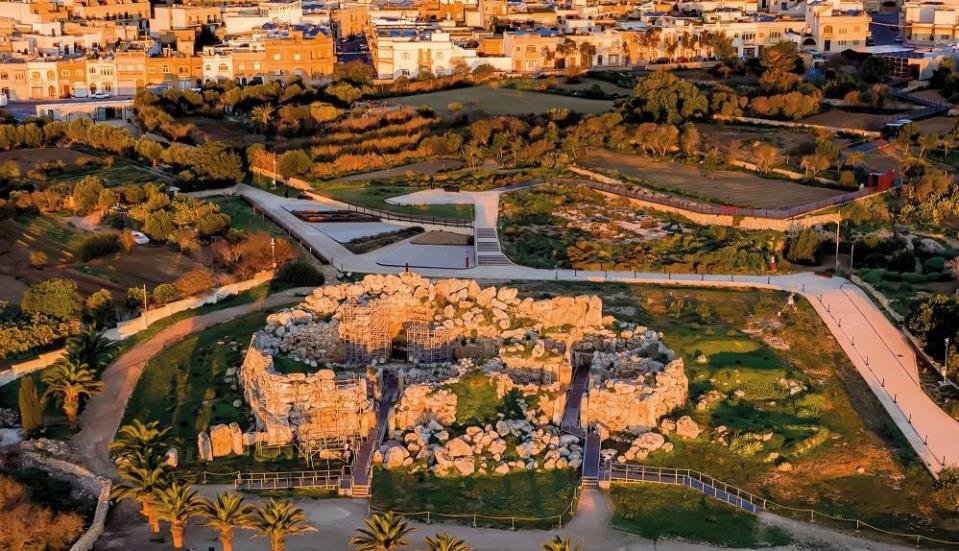
The Planning Authority has granted final approval for a controversial residential project consisting of 22 apartments and 20 underground garages in Xagħra, Gozo. The development is situated within the sensitive buffer zone of the Ġgantija Temples, a UNESCO World Heritage site. The decision was reached during a Planning Board meeting where the proposal passed with a significant 10 to 1 majority. The only member to vote against the project was Romano Cassar, representing the NGO community.
This specific application, identified as PA/00570/21, has a long and litigious history. While it originally received approval in 2023, that permit was later revoked following a successful appeal. The revocation was based on the need for a comprehensive Heritage Impact Assessment (HIA) to be conducted by the Superintendence of Cultural Heritage (SCH). After revised plans were submitted, the SCH concluded its assessment in February and maintained that it no longer held any objections to the development. This stance proved to be the pivotal factor for the board, as Chairman Emanuel Camilleri moved to a vote once it became clear the watchdog would not change its position.
The approval has been met with fierce resistance from a coalition of heritage organizations, including Din l-Art Ħelwa Għawdex, Għawdix, and Wirt Għawdex. These groups have publicly questioned the validity of the HIA, describing the methodology as “deeply questionable” and “partial.” They argued that the assessment bypassed essential UNESCO requirements, such as proper stakeholder consultation and scoping. Furthermore, the NGOs accused the SCH of misrepresenting the role of international bodies, clarifying that UNESCO and ICOMOS provide advisory reviews rather than formal project endorsements.
During the hearing, Romano Cassar highlighted internal contradictions within the heritage report itself. He pointed out that while the document used existing building heights in the area to justify the new block, it simultaneously warned that the project could set a negative precedent for future development. Critics also emphasized that the project involves the demolition of a traditional farmhouse to make way for a modern structure that will appear as a single, homogenous mass. Despite warnings that the building would dominate the streetscape, the Planning Authority chose to move forward, sparking significant concern regarding the future protection of Gozo’s archaeological landscape.