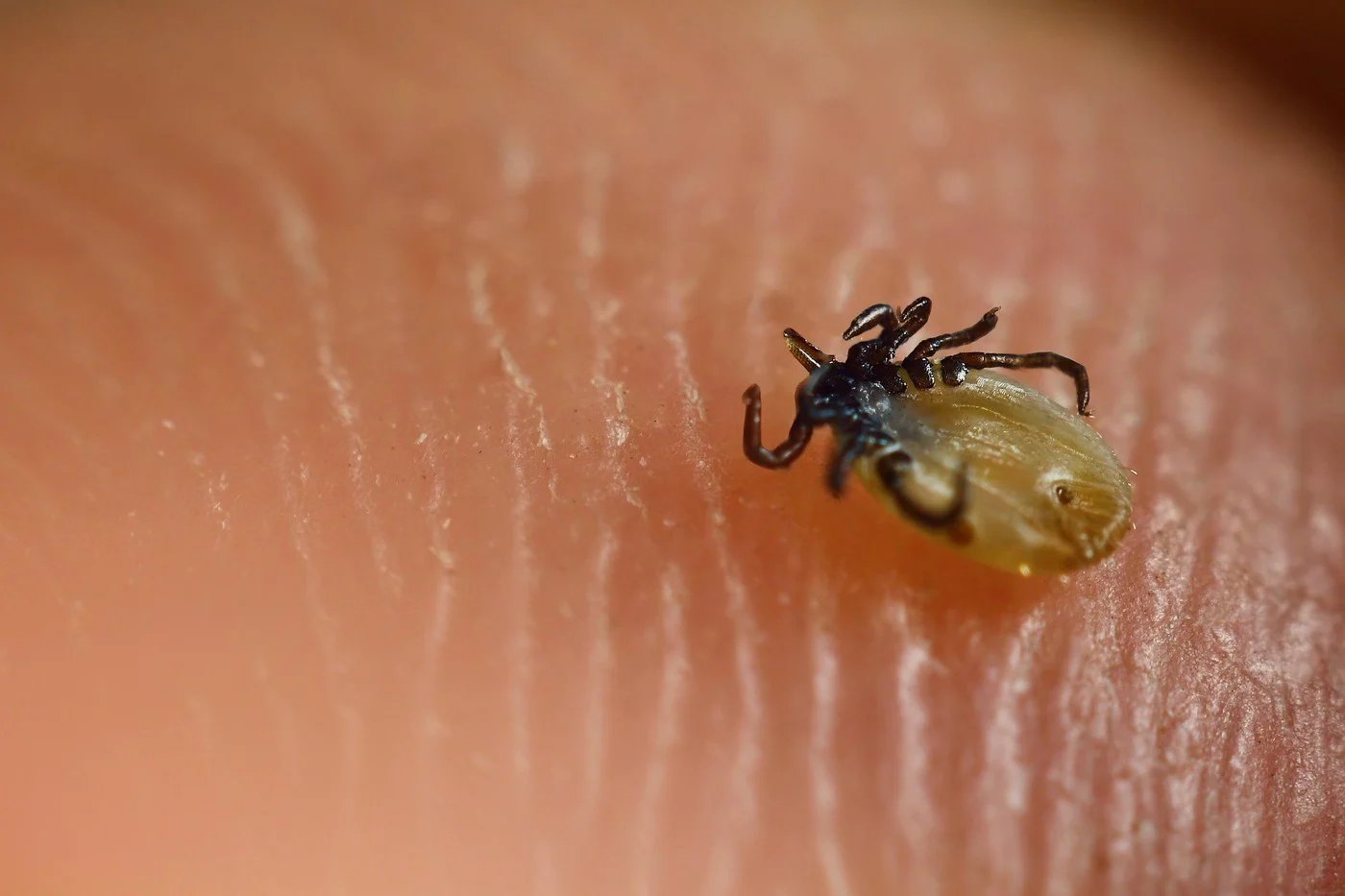
Plants that contain essential oils can reduce the presence of ticks, but work best in combination with regular yard maintenance.
Spring and summer are many people’s favorite part of the year, but along with warmer days, longer evenings and yards that come alive in all shades of green, comes a less pleasant “seasonal addition” – ticks. The good news is that there are natural ways to make their yard less attractive, and these include plants that many people already have or are happy to plant.
Although no single plant will completely solve the problem by itself, some species are known to partially repel ticks with their scent. This is precisely why they are increasingly being recommended as additional, more natural protection in the garden, he writes Morning.
Lavender is one of the most common choices. Its soothing scent and delicate purple flowers are pleasing to humans, but not at all attractive to ticks. It is precisely because of the compound linalool that it is often mentioned as a plant that can help repel them – another reason to find it in spring planting.
Corduroys, known for their bright shades of yellow, orange and red, play a similar role. In addition to adding color to the garden, they contain pyrethrum – a compound also used in many insect repellents – and emit a scent that ticks avoid.
Oregano can also have its place in the spice garden. In addition to being indispensable in the kitchen, its essential oils are also not liked by ticks, so it can be a practical and decorative addition to the yard.
Peppermint is another plant whose intense smell repels these parasites. It is easy to grow, spreads quickly and can be planted in the garden or in pots on the terrace, with an added bonus – a fresh smell in the room.
Eucalyptus, although less common in our gardens, also stands out for its oils, which are often used in repellents. Besides being visually attractive, it can also have a functional role in reducing the presence of ticks.
Rosemary is another doubly beneficial choice – a kitchen favorite, but also an herb whose strong scent ticks avoid. An additional advantage is that some other animals do not like it either, so it can also help protect the garden.
In addition to lavender, rosemary and mint, which are most often mentioned in this context, there are other plants with a similar effect. For example, lemongrass is known for its citronella oil content, a common ingredient in natural repellants, which is why ticks also avoid it. It fits easily into herb gardens and does well in warmer conditions.
An interesting addition is wormwood, a plant with a strong, bitter smell that is not attractive to ticks. Because of the compounds it contains, it is often cited as a natural protection against various pests.
Catnip, a close relative of mint, contains nepetalactone – a compound that research has shown can act as a natural repellant. In addition to repelling insects, it looks beautiful in the garden thanks to its delicate flowers.
Thyme is another aromatic herb that is easy to grow and whose oils can help repel ticks. It is often used in homemade natural preparations against insects.
Chrysanthemums, also known as “mums”, besides their decorative value, contain pyrethrins – natural compounds used to protect against insects. That is why they are often recommended as part of “defensive” planting in the yard.
Finally, there is garlic – indispensable in the kitchen, but also a plant with a strong smell that ticks cannot stand. It is easy to grow and can be a practical addition to any garden.
However, it is important to emphasize that plants are not a magic solution. Their effect is limited and works best as a supplement to basic measures such as regular lawn maintenance and removal of dense vegetation. In combination with these steps, fragrant plants can help make the yard less attractive to ticks, and therefore more pleasant to stay in.