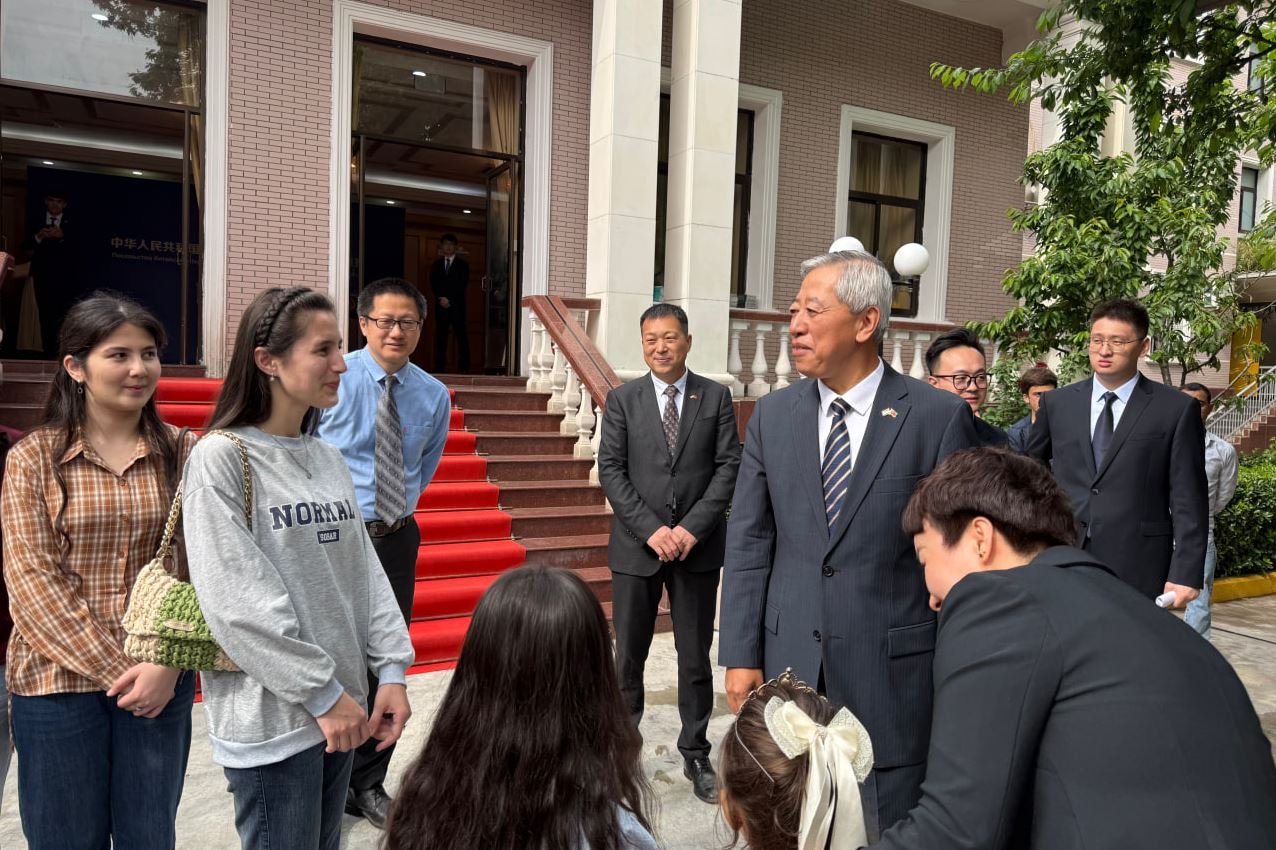
On April 28, an open day was held at the Chinese Embassy in Dushanbe. The guests were shown the residence, told about humanitarian projects and introduced to the families of children who had undergone heart surgery in China.
Schoolchildren, students, teachers, journalists, as well as parents and children who were treated in China were invited to the event. Among the guests were students from School No. 152 in the city of Vahdat, built with the support of the People’s Republic of China, representatives of the Confucius Institute and families participating in the medical program.
The guests were given a tour of the residence, after which the official part took place. Ambassador of the People’s Republic of China to Tajikistan Guo Zhijun delivered a welcoming speech.
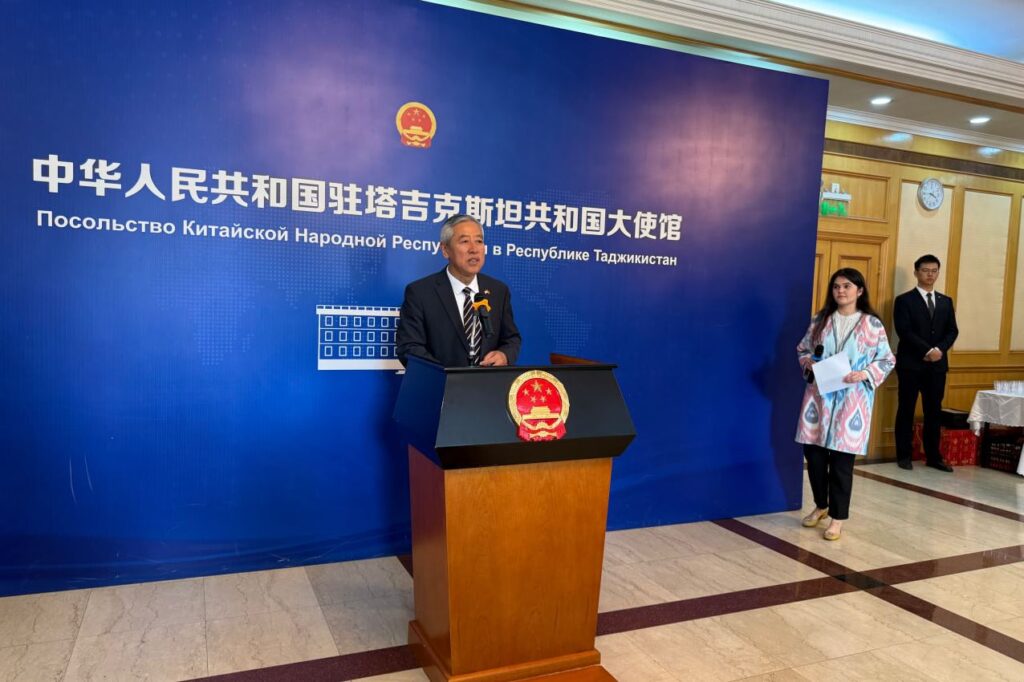
Separately, they talked about the program to help children with congenital heart defects. In March of this year, on the initiative of the China-Tajikistan Diagnostic and Treatment Center, nine children from Tajikistan underwent free surgery in the Chinese city of Qingdao. The Chinese partners also paid for the flight and accommodation.
Before this, an online meeting of Chinese doctors with these children was held at the China-Tajikistan center. The doctors inquired about their well-being after the operations – according to experts, recovery was going well.
The families of these children were also present at the event at the embassy. Among them is Rano Faizova with her son Muhammadrafi Abduraufzoda, who underwent heart surgery. She expressed gratitude and noted that this help changed the life of their family.
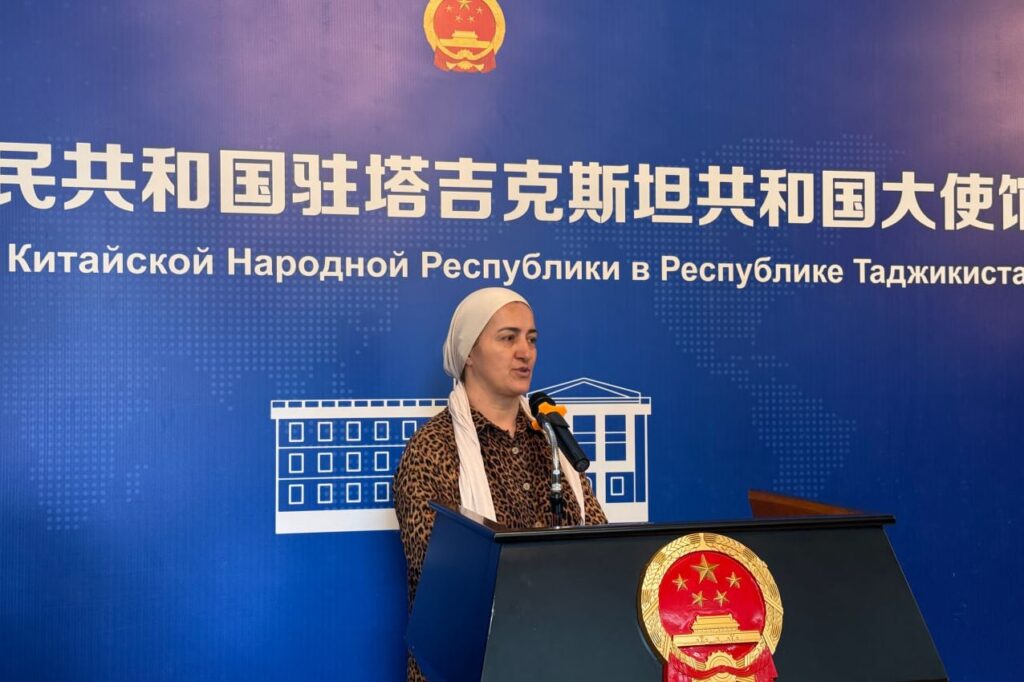
Muhammadrafi himself, now 10 years old, says that after the operation he feels good, there is no more pain and shortness of breath, and he can play with friends calmly. In total, children and adolescents aged from 1.8 to 19 years underwent surgery. Their condition is now assessed as stable.
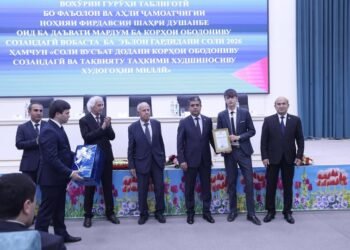
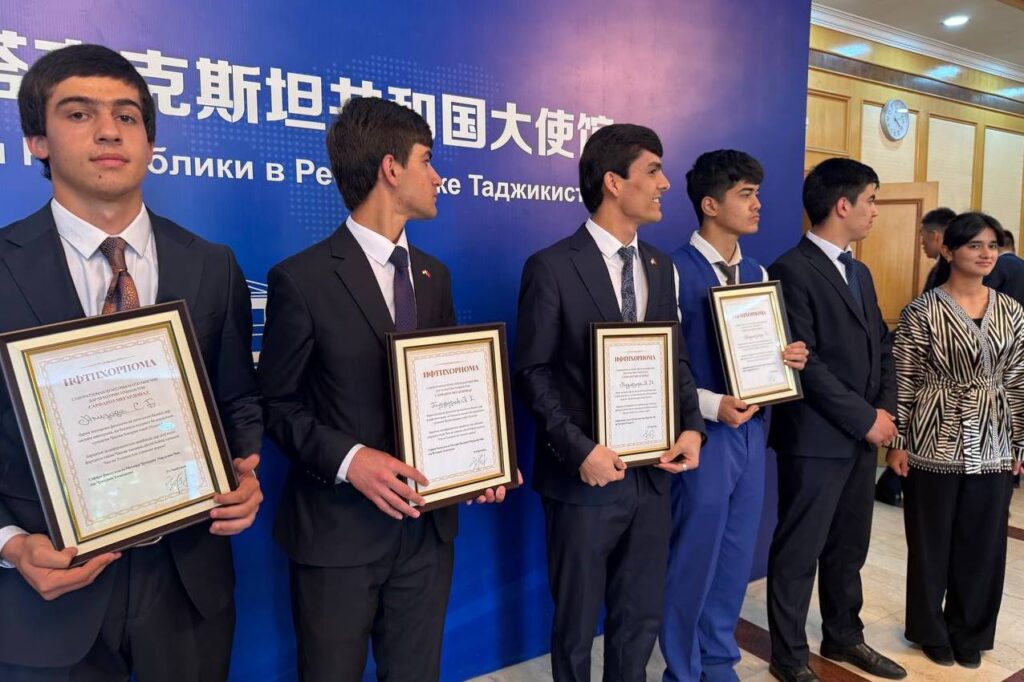
At the end of the official part, the winners of the online competition dedicated to Chinese culture and traditions were awarded.
After this, the event moved into a lively and more informal part. Several interactive zones were prepared for guests, where they could not just watch, but try everything themselves. One of the most popular was the calligraphy zone – participants were shown how to write hieroglyphs correctly, their meaning was explained, and everyone could pick up a brush and repeat.
Nearby you could try on traditional Chinese costumes and take photos. Gaming activities were organized separately: guests tried modern Chinese video games and got acquainted with digital culture and technology. The format was as open as possible – you could freely move between zones, ask questions and communicate with the organizers.