Trump’s former national security advisor: “Everyone thinks about uranium, I’m also worried about plutonium”
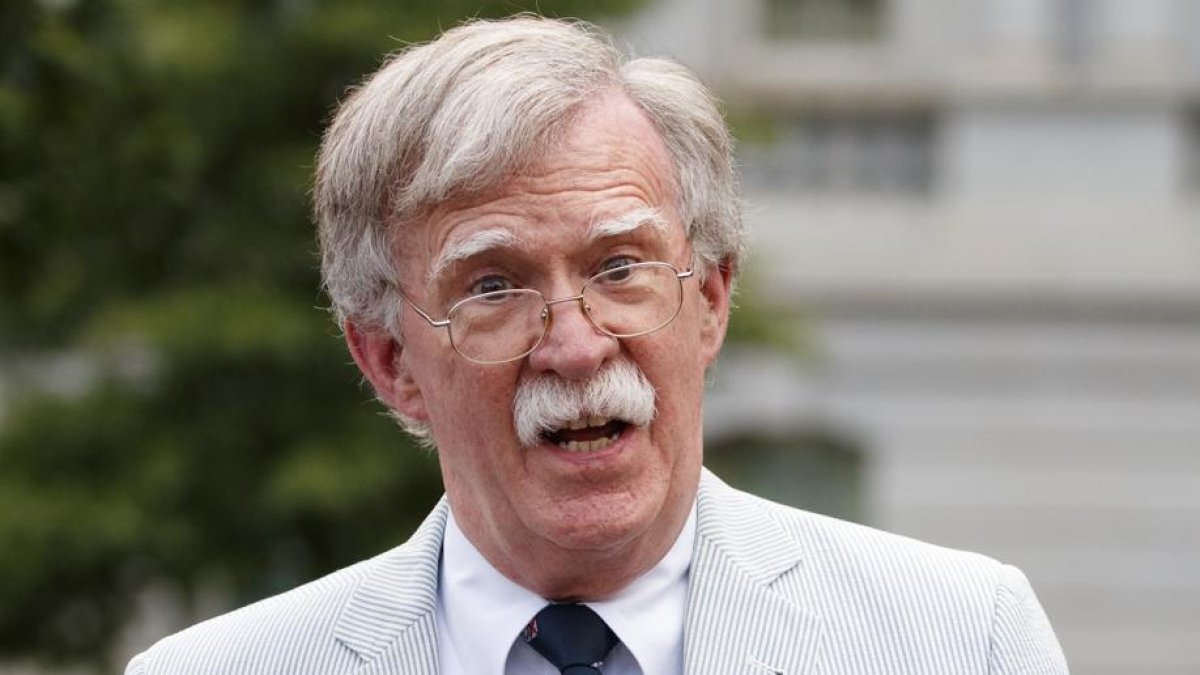
John Bolton knows Donald Trump for having been its national security advisor during his first term. And he knows the president’s vengeful nature since he broke up with him over differences, among other points, on Iran: today Bolton is indicted for alleged abuses in the use of classified information, accusations that he and many others believe are motivated by political reasons. As he himself wrote yesterday on
Wall Street JournalTrump’s former advisor is convinced that Tehran’s plutonium also poses a threat: as much as uranium.
Ambassador, why are you concerned about the risk that Iran has plutonium?
«The administrations of Barack Obama and Trump have always focused on the enrichment of uranium in preparation for atomic weapons, ignoring the fact that the Tehran regime has also been targeting plutonium for many years. Plutonium can be reprocessed from spent fuel extracted from nuclear reactors.”
Iran will not negotiate if the United States does not lift the naval blockade. But the United States will not negotiate if Iran does not open up on nuclear power. Is it an insoluble dilemma?
«I agree with you, I don’t see a path of negotiation that leads anywhere. The latest proposal from Tehran’s Foreign Minister, Abbas Araghchi, essentially provides for an opening of the Strait for the Gulf countries if the United States agrees to postpone the nuclear negotiations to a later date. It’s just a way to buy time and gain days in which the regime is not held accountable for its nuclear program.”
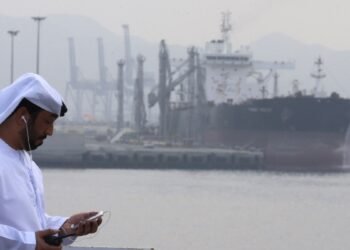
How long is the dual blockade of Hormuz sustainable, against Iran and against the world economy?
«The blockade is the right response against the Tehran regime. We must not give up until he begins to get serious about nuclear negotiations: preventing that program must be our goal. But the other objective, the most important, remains regime change.”
Is this a Trump goal?
«I don’t know what Trump is aiming for, he probably doesn’t know either. I know the Iranians will not willingly give up on developing an atomic weapon, and Trump is trapped in a problem of his own making. He cannot leave everything as it is and walk away, while it is clear that he is looking for a way out. But we need a more or less permanent solution, not a temporary accommodation.”
Everything you say points in the direction of a return to active warfare.
«Trump is looking for a way out, I repeat, but I see no alternative to resuming the fighting. The president must take military control of the Strait, to the benefit of the Gulf Arab countries and the world economy. This means freeing the area from Iran’s fast boats and its ability to strike from ground positions. Meanwhile, I would leave the naval blockade. This strategy would take us a long way forward. Trump has the military capabilities, he just doesn’t want to.”.
Is a ground operation also needed?
«Yes, but limited. You just need to reach the caves where the fast boats or anti-ship missiles are hidden. It wouldn’t be an invasion. All it takes is a special forces operation covered by aerial bombardment.”
As you note, however, the president’s preference appears to be for a non-military solution.
«It’s what he likes. In my opinion, there is no solution that is not military in nature. I note that just in the last few hours the president met with his main experts and military advisors and after the meeting nothing of its contents was explained.”
The United Arab Emirates has withdrawn from OPEC. How do you explain it?
«Stunning. From what I understand there had been tensions in the cartel for some time in the Emirates over the allocation of their share and the disorder of recent months has exacerbated them.”
Saudi Arabia seems committed to achieving nuclear power by allying itself with Pakistan. Does it worry you?
«The potential for nuclear proliferation in the Middle East is at a level never seen before. It also concerns the Emirates, Egypt, Turkey, with Iran on the verge of having the bomb and Israel already having it. All these countries have seen that they cannot rely on the United States and often have tensions among themselves. Now they are also under attack from Iran. Even more so, the real path to stability begins with regime change in Tehran.”.