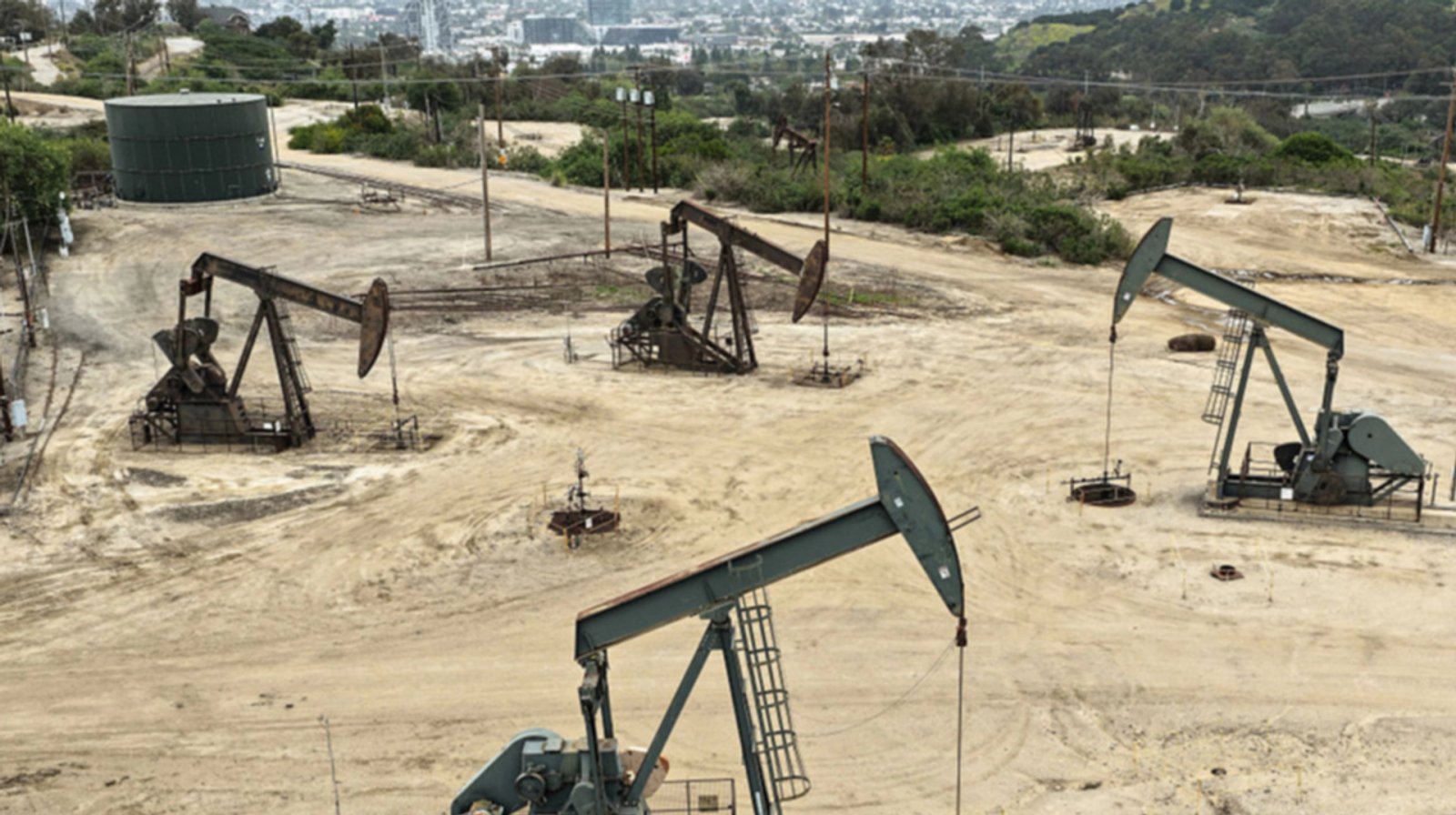

The US dominates the oil and gas industry because of the closed Strait of Hormuz
Photo: Getty Images
American companies barely have time to meet the demand for oil and gas. Launching new oil and gas projects takes years. The US government estimates that domestic production will rise by only 340,000 barrels per day over the next 12 months.
About this informs Financial Times.
Shale operators, which can ramp up production the fastest, fear the boom will turn into a bust, as Trump has often said he wants oil prices to fall to levels that would make many of their high-cost projects unprofitable.
“Washington continues to call for more drilling while signaling that it wants the price of oil to return to $60 as soon as possible.
You can’t send both signals at the same time and expect capital to respond,” said Kirk Edwards, president of Latigo Petroleum, an independent producer based in the oil-rich Permian Basin in Texas.
Other countries are also likely to take advantage of higher prices, especially Western Hemisphere nations that are increasing their supplies the fastest, such as Brazil, Canada and Guyana.
However, the chaos caused by the war in Iran is unlikely to benefit the oil and gas industry in the medium to long term.
Energy-importing countries are facing a sharp increase in costs, and some of them are introducing fuel rationing due to its shortage.
Long-term persistence of high gasoline prices could promote the spread of electric vehicles, which benefits China, which has rapidly increased exports of inexpensive electric vehicles and flooded global markets with them.
According to energy research group Wood Mackenzie, a prolonged disruption of energy supplies from the Middle East could accelerate structural changes in the world’s energy systems, aimed at moving away from oil and gas.
We will remind:
The reference grade of Brent oil got up at a price above $100 per barrel between April 22 and 23.