As Eid al-Adha approaches, the city of Kairouan (like all Tunisian cities) is regaining one of its most prominent heritage features, as the craft of “milling” and sharpening of sharp instruments revives in an annual scene that reflects families’ adherence to the customs and traditions associated with this religious occasion.
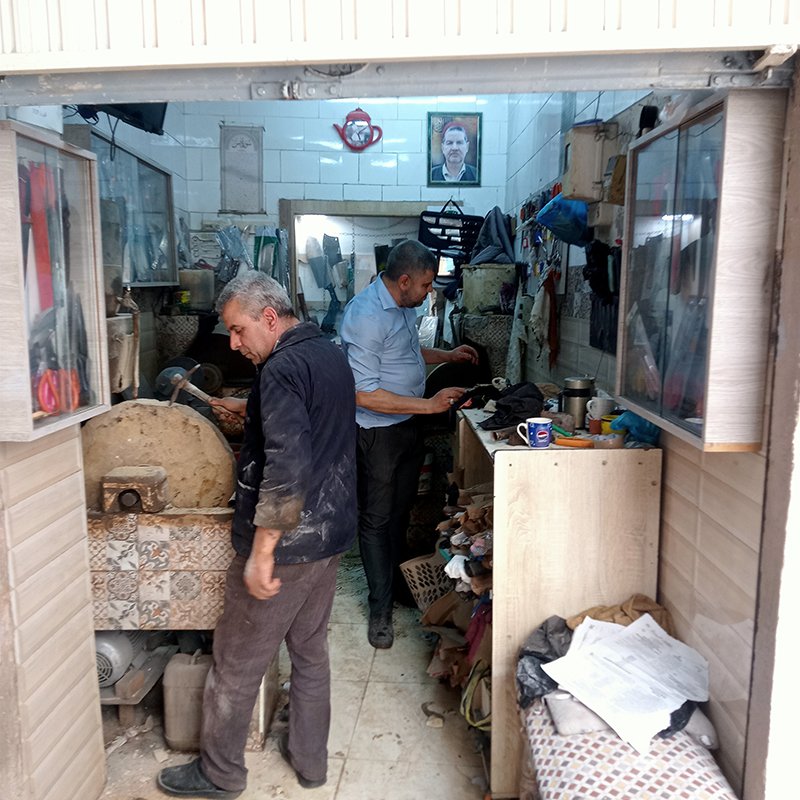
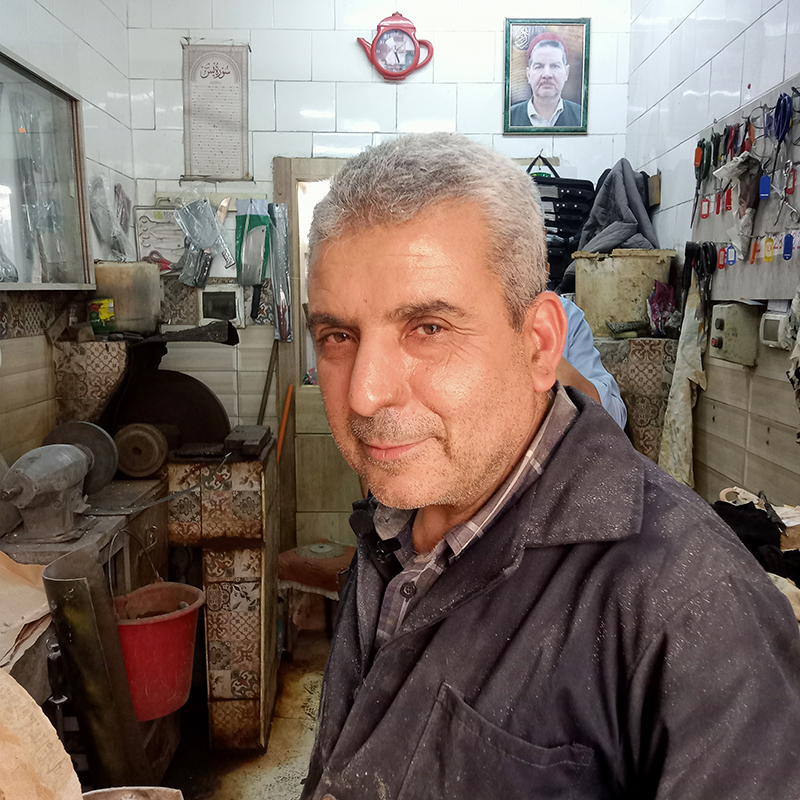
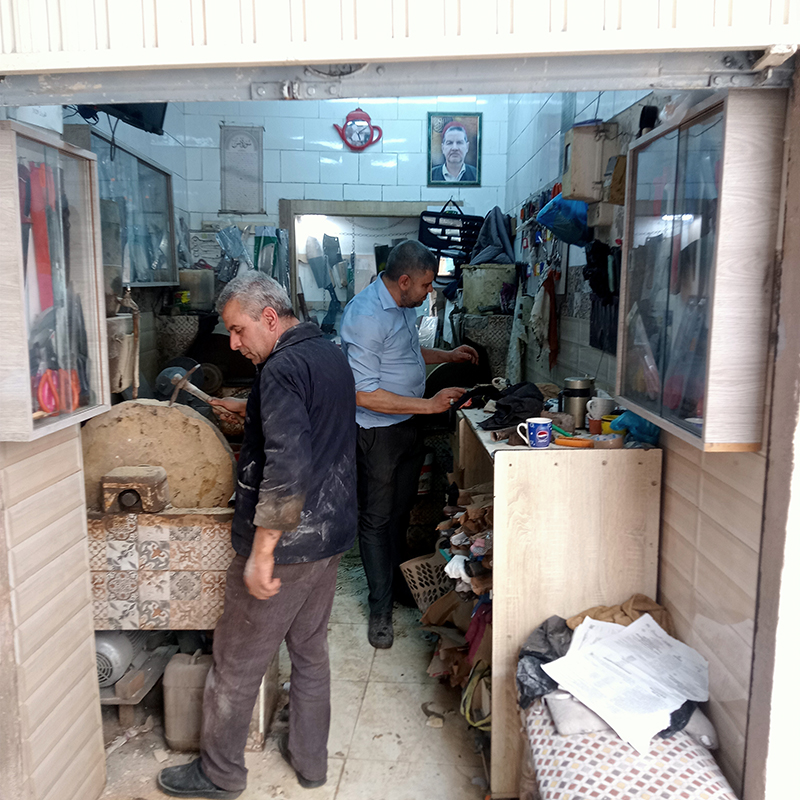
In the alleys of Souq Al-Balaghiyya, near the Blacksmiths Souq, a distinctive sound emerges inside a modest shop: the sound of stone mills grinding against metal, announcing the return of life to this ancient craft. There, Al-Sabah News met the craftsman Ali Al-Kilani and his brother Khaled, who inherited the profession from their father more than four decades ago, preserving traditions passed down from generation to generation.
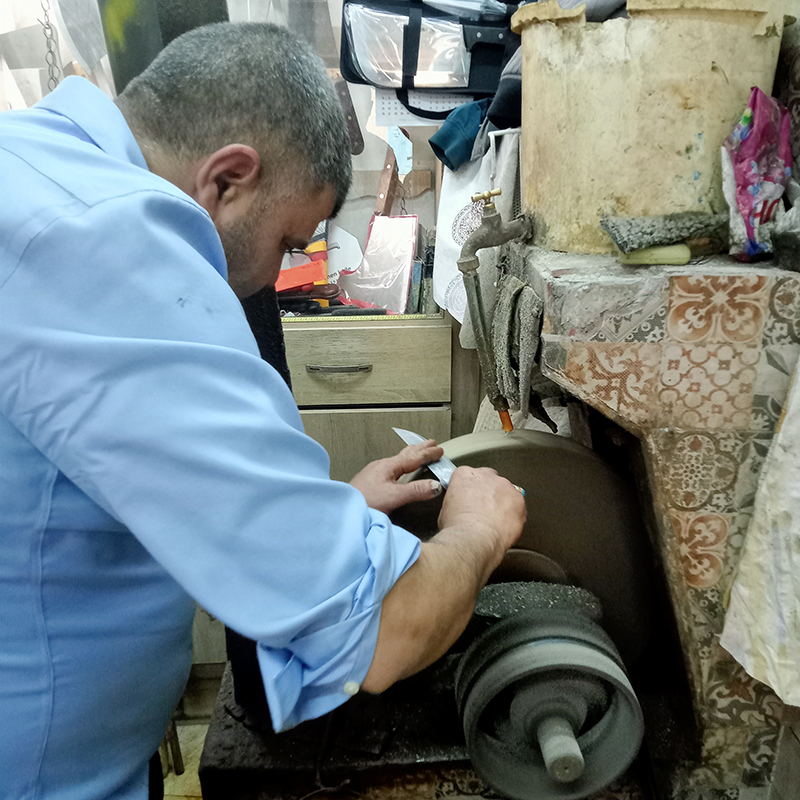
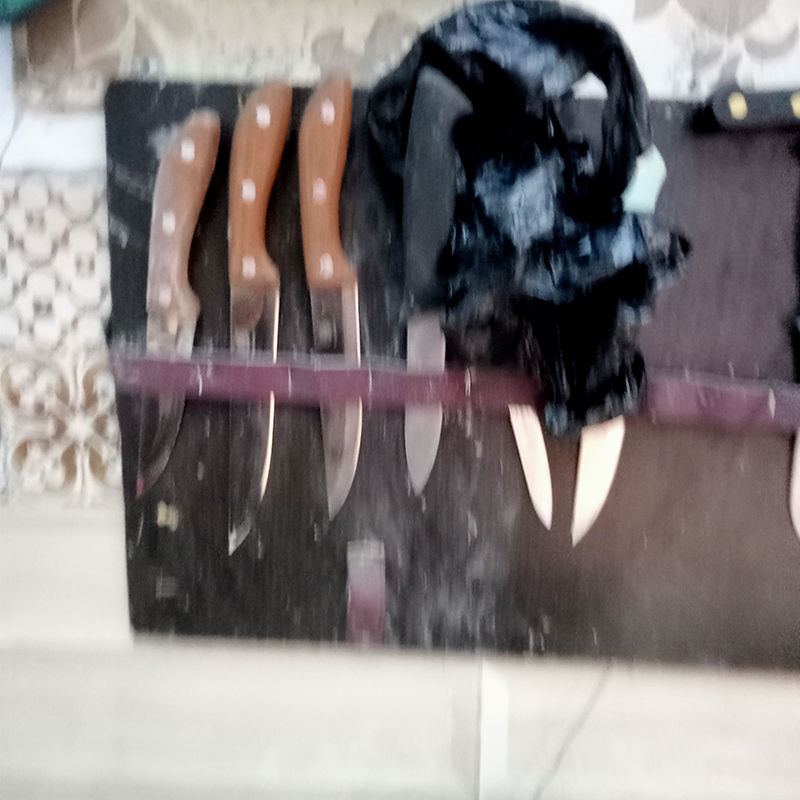
Inside the shop, Ali was preparing a new traditional millstone, which is a circular tool that is polished with great care to be used to sharpen knives, cleavers, and other tools used especially in slaughtering. On the other side, his brother Khaled was beginning the sharpening process, holding a knife that restored its luster and sharpness in precise movements that reflected long experience and perfect skill.
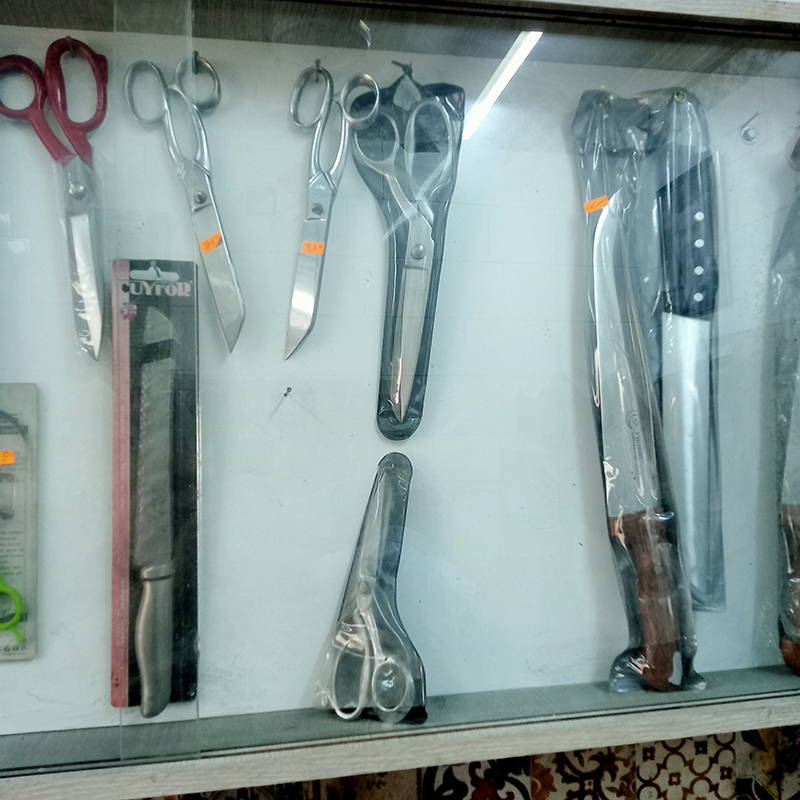
Ali confirms that activity in this craft has become essentially seasonal, as it reaches its peak before Eid al-Adha, in addition to some other periods such as the sheep shearing season. He adds that work was previously more regular, especially with the demand for sharpening the scissors used in making carpets, but the decline of this traditional craft in Kairouan directly affected the profitability of their activity.
Despite the spread of modern sharpening methods, a number of craftsmen still prefer the traditional method using the “Arabi stone” because of the accuracy of the work and quality of the result it provides, according to his expression. He also pointed out that sharpening prices remain affordable, which encourages continued demand, especially in this period leading up to Eid.
This craft is part of the city’s collective memory, as it has long been associated with the ancient markets and the lives of the craftsmen who maintained its continuity despite economic and social changes. However, today it faces real challenges, the most prominent of which is the reluctance of young people to learn in exchange for the demand for more stable and profitable professions.
Amidst the relentless sounds of the mill, the brothers Ali and Khaled continue to work with passion and determination, adhering to a craft that is no longer just a means of livelihood, but has turned into an identity and family inheritance. At the conclusion of his speech, Ali affirmed that there is still hope for the continuation of this profession, saying: “We are passionate about our work, and God willing, we will find someone to succeed us.”
Between the authenticity of the past and the requirements of the present, the mill continues to turn in Kairouan, bearing witness to a craft that resists extinction and renews its presence as the date of Eid Al-Adha approaches.
Reportage: Marwan Al-Daloul
As Eid al-Adha approaches, the city of Kairouan (like all Tunisian cities) is regaining one of its most prominent heritage features, as the craft of “milling” and sharpening of sharp instruments revives in an annual scene that reflects families’ adherence to the customs and traditions associated with this religious occasion.
In the alleys of Souq Al-Balaghiyya, near the Blacksmiths Souq, a distinctive sound emerges inside a modest shop: the sound of stone mills grinding against metal, announcing the return of life to this ancient craft. There, Al-Sabah News met the craftsman Ali Al-Kilani and his brother Khaled, who inherited the profession from their father more than four decades ago, preserving traditions passed down from generation to generation.
Inside the shop, Ali was preparing a new traditional millstone, which is a circular tool that is polished with great care to be used to sharpen knives, cleavers, and other tools used especially in slaughtering. On the other side, his brother Khaled was beginning the sharpening process, holding a knife that restored its luster and sharpness in precise movements that reflected long experience and perfect skill.
Ali confirms that activity in this craft has become essentially seasonal, as it reaches its peak before Eid al-Adha, in addition to some other periods such as the sheep shearing season. He adds that work was previously more regular, especially with the demand for sharpening the scissors used in making carpets, but the decline of this traditional craft in Kairouan directly affected the profitability of their activity.
Despite the spread of modern sharpening methods, a number of craftsmen still prefer the traditional method using the “Arabi stone” because of the accuracy of the work and quality of the result it provides, according to his expression. He also pointed out that sharpening prices remain affordable, which encourages continued demand, especially in this period leading up to Eid.
This craft is part of the city’s collective memory, as it has long been associated with the ancient markets and the lives of the craftsmen who maintained its continuity despite economic and social changes. However, today it faces real challenges, the most prominent of which is the reluctance of young people to learn in exchange for the demand for more stable and profitable professions.
Amidst the relentless sounds of the mill, the brothers Ali and Khaled continue to work with passion and determination, adhering to a craft that is no longer just a means of livelihood, but has turned into an identity and family inheritance. At the conclusion of his speech, Ali affirmed that there is still hope for the continuation of this profession, saying: “We are passionate about our work, and God willing, we will find someone to succeed us.”
Between the authenticity of the past and the requirements of the present, the mill continues to turn in Kairouan, bearing witness to a craft that resists extinction and renews its presence as the date of Eid Al-Adha approaches.
Reportage: Marwan Al-Daloul
Tags/article tags: