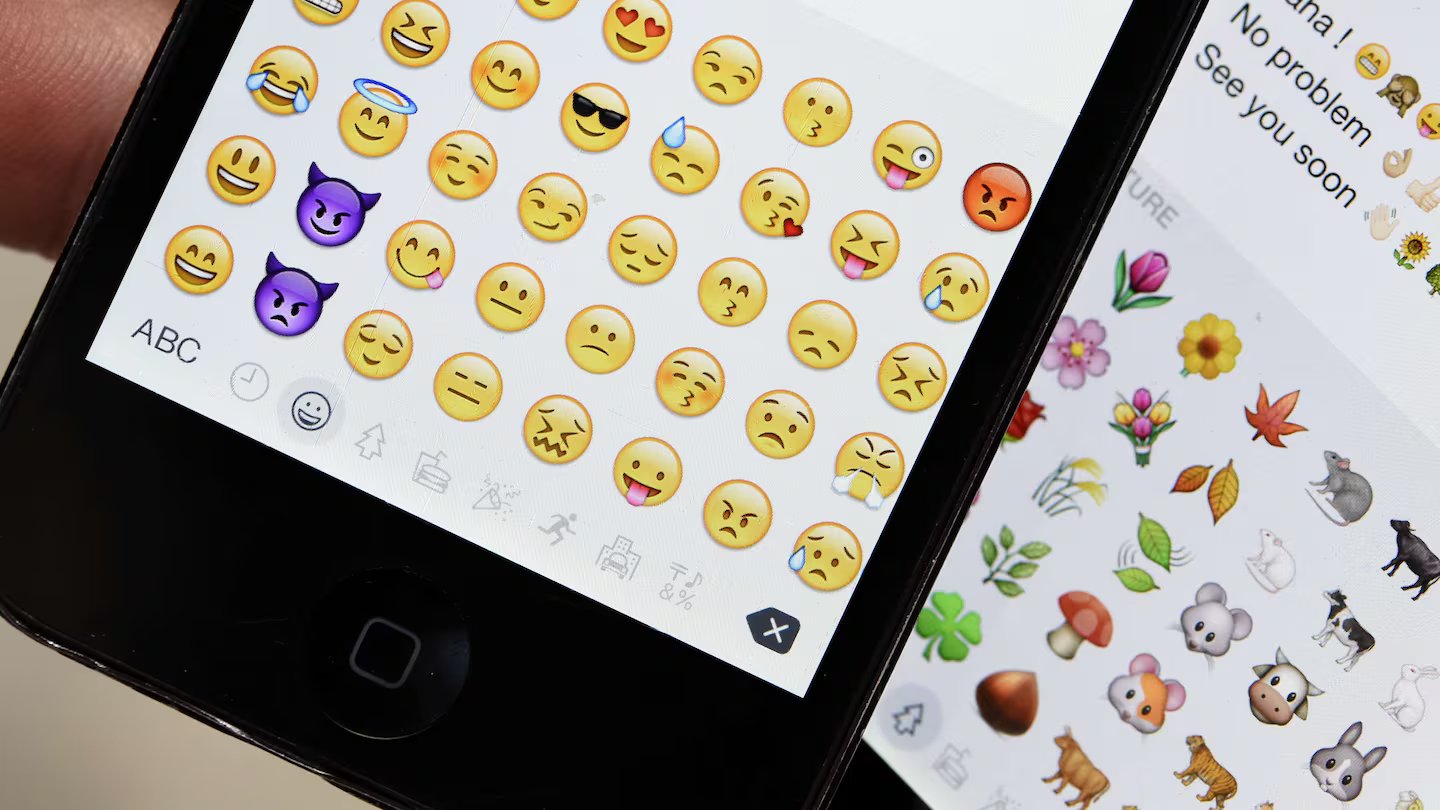
An international study revealed which emojis generate rejection in the workplace and which ones do have acceptance among colleagues and management. One in particular stands out for its high level of disapproval.
He Lokalise study center interviewed more than 1,000 employees in the United States, Germany, Mexico and the United Kingdom to identify the most and least appropriate emojis in work communications.
According to the study, the eggplant emoji is the most unacceptable in the corporate environment: 91% of the people consulted considered that it should not be used in work messages. The symbol was perceived as highly inappropriate because of its sexual connotation.
In the second place of rejection appears the excrement emojiwith 82% disapprovalfollowed by the peach emojiwith 81%also associated with sexual innuendos.
On the contrary, emojis with positive or approving meaning They did receive a favorable evaluation. He “thumbs up” got 82% acceptancefollowed by the emoji clapping palms with 64% and that of handshake with 62%.
The editor of Emojipedia, Keith Broni, explained to Newsweek that emojis work as digital extensions of gestures and physical expressions. He indicated that its acceptance depends on the context and level of formality of the environment in which they are used.
The results showed that the emojis associated with negative emotions or sexual themes They tend to be perceived as inappropriate in work conversations. Additionally, people want to avoid an overly informal tone or misinterpretations.
The study also showed that the use of emojis can cause misunderstandings. A 27% of participants He said he felt offended by an emoji received in a professional message. In turn, 65% admitted that they avoid using them for fear of being misunderstood and 47% believe they should be banned completely in formal communication.
The generational differences They were also reflected. The employees of the Generation were the most opposed to the use of emojis, followed by those of the Generation Z. For their part, the millennials They were more divided, although 44% supported the idea of banning them in work messages.
*The creation of this content was assisted by artificial intelligence. The source of this information is from Grupo de Diarios América (GDA) media and reviewed by an editor to ensure its accuracy. The content was not generated automatically.