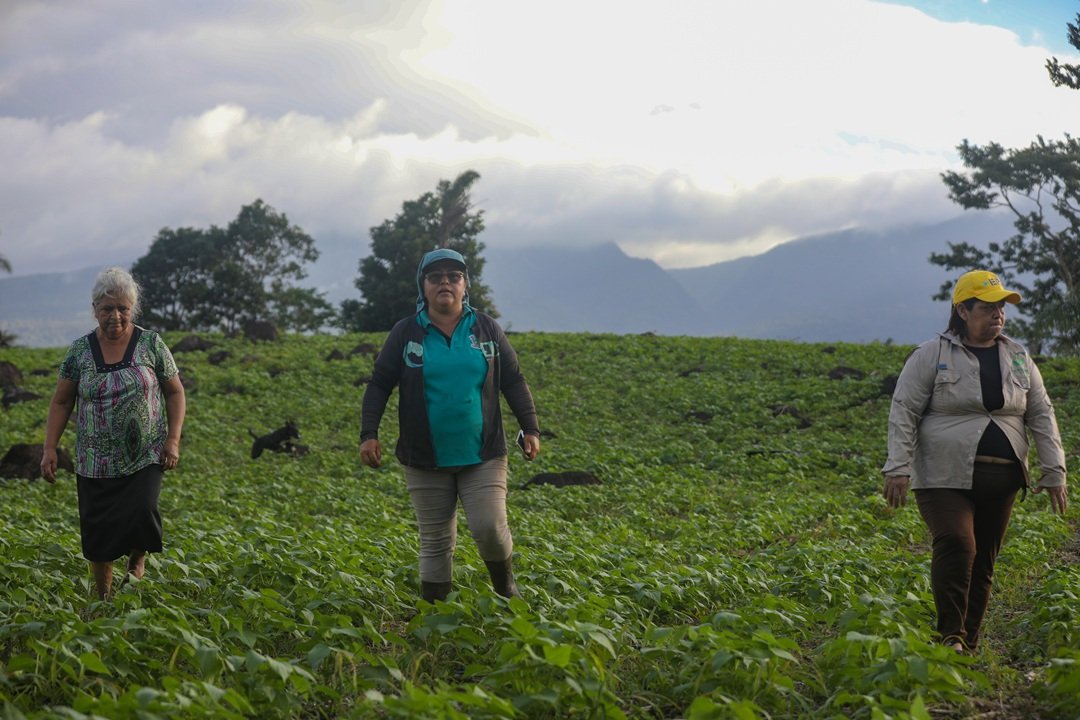
They put food on the tables of thousands of Costa Rican families, but they do not own the land they cultivate. In Santa Cecilia de La Cruz, in the Costa Rican province of Guanacaste, 25 Nicaraguan and Costa Rican farmers grouped in the “Tierra Prometida” cooperative have been renting plots every six months for almost two decades to plant corn, beans, cassava, yams and quequisque. We travel to that border area to learn their stories.
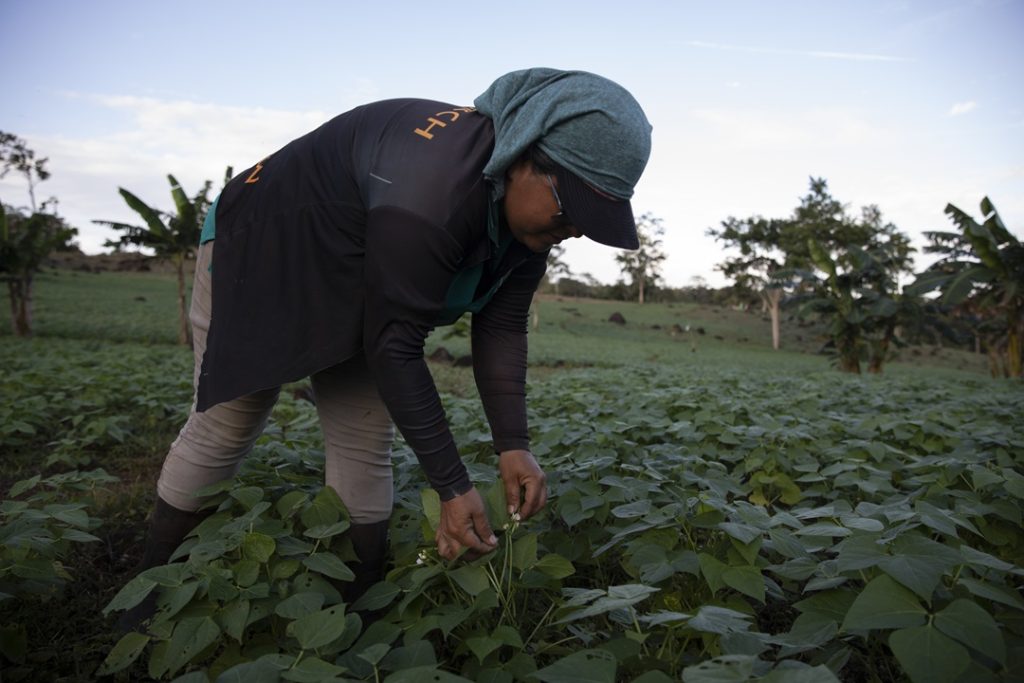
Unlike the majority of Nicaraguan migrants, who upon arriving in Costa Rica engage in domestic work or construction, this group of farmers has organized to continue practicing a trade inherited from generation to generation: work on the land.
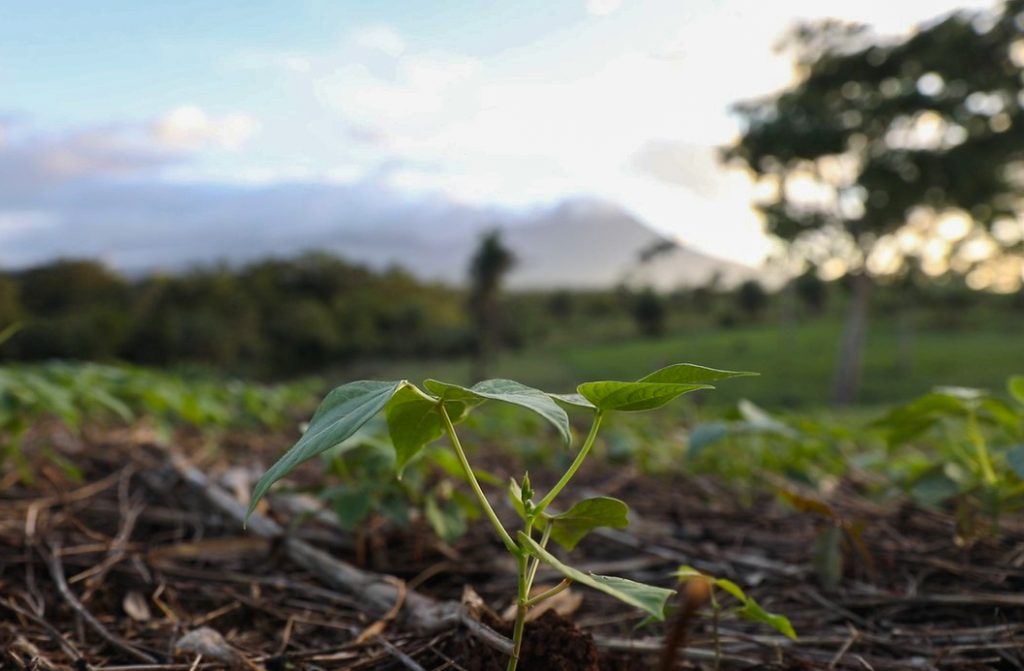
Without access to bank loans or the possibility of purchasing their own land, each season they must finance the rental of plots, seeds, herbicides and fertilizers out of their own pockets, also facing the uncertainty of contracts that expire every six months. Added to this is the climate threat: a storm can erase the effort of an entire crop in one fell swoop.
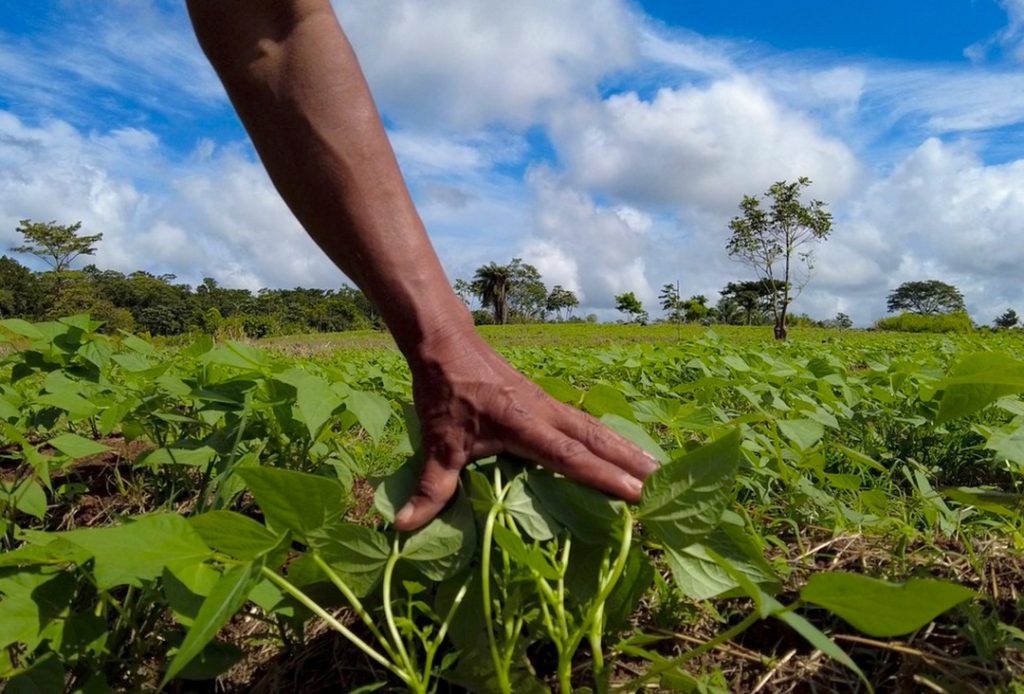
Since 2006 they have operated legally as a cooperative with a clear objective: that the Rural Development Institute (INDER) helps them access their own plots, not as a gift, but to pay for them themselves. Almost two decades later, they are still waiting for an answer.
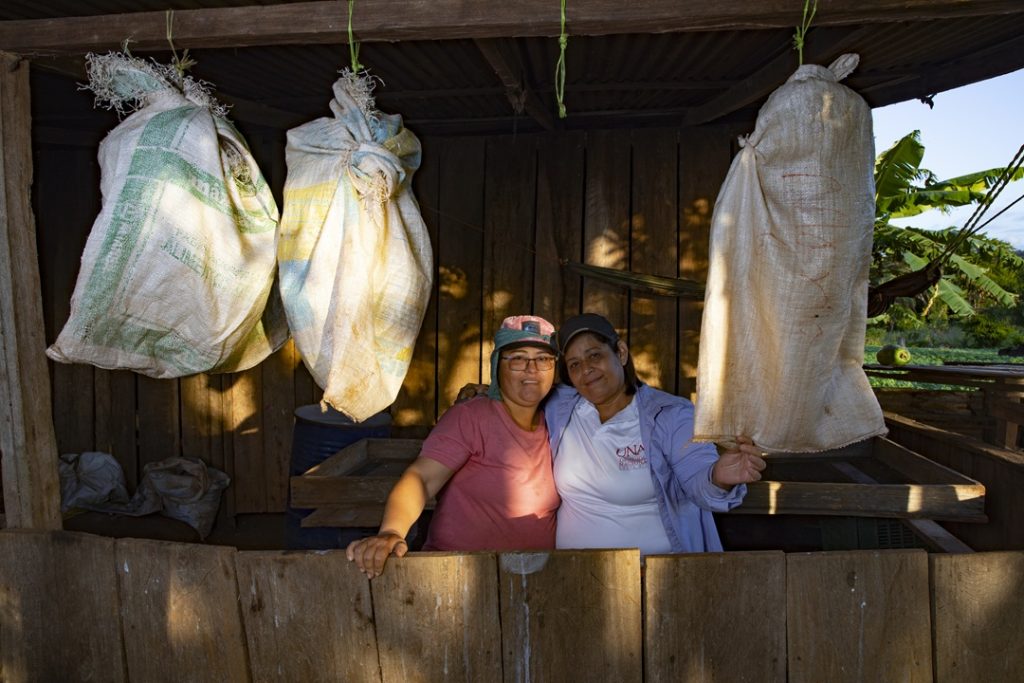
Behind each plot there is a story of uprooting and reinvention. Some arrived as children, brought by their parents in search of better opportunities. Others crossed the border as adults, with children by the hand and without knowing where they would end up. What unites them is not only nationality, but calloused hands, the smell of wet earth and a shared conviction: that farming is not just a job, it is a way of existing.
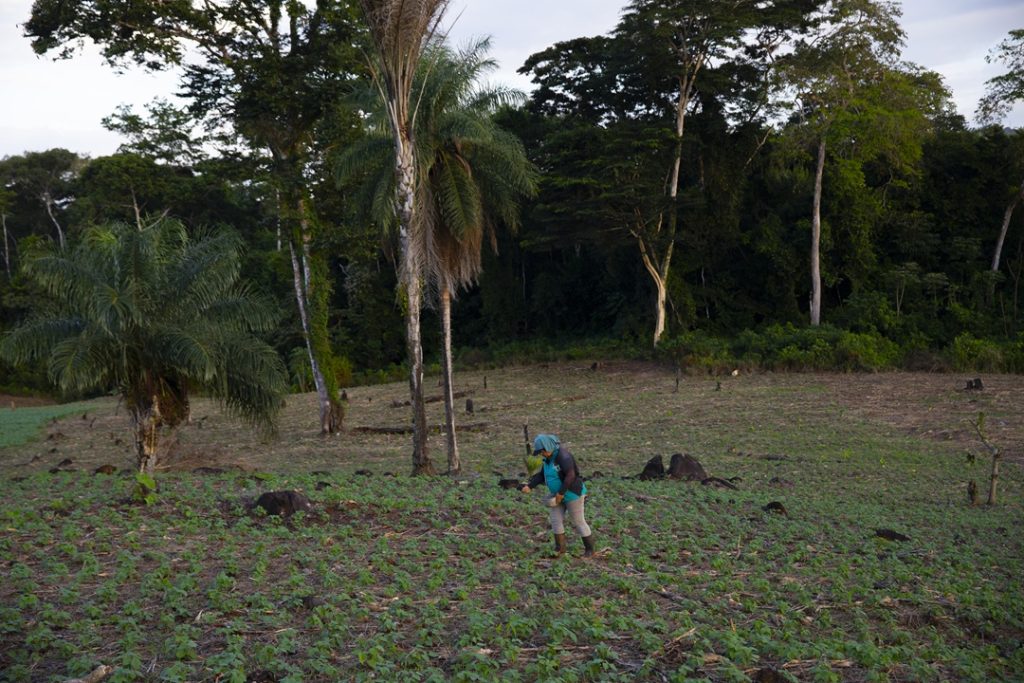
They are people who built their lives in Costa Rica. They raised children, started families and put down roots in a soil that they till with the same passion as if it belonged to them. For them, agriculture is not a plan B or an emergency exit. It is a heritage they decided not to abandon, even when conditions push them to do so.
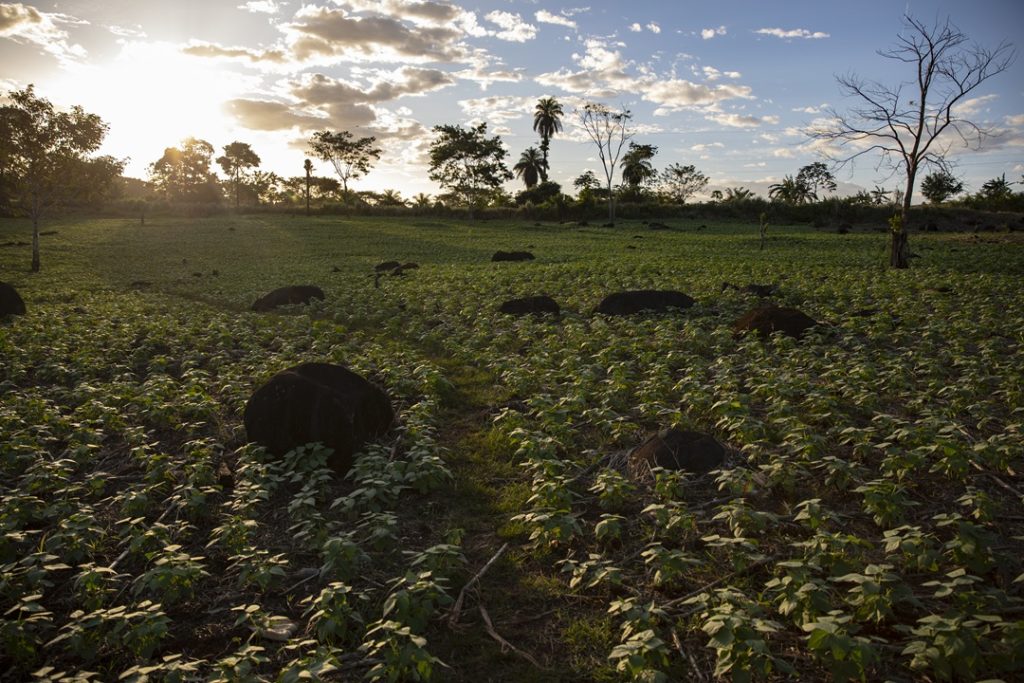
The story of “Promised Land” is not an isolated case. Throughout the border strip between Nicaragua and Costa Rica—in La Cruz, Upala and Los Chiles—the same pattern is repeated: Nicaraguan families who found their livelihood on the land, but who face the same barriers to access a piece of their own where they can plant with security and dignity.
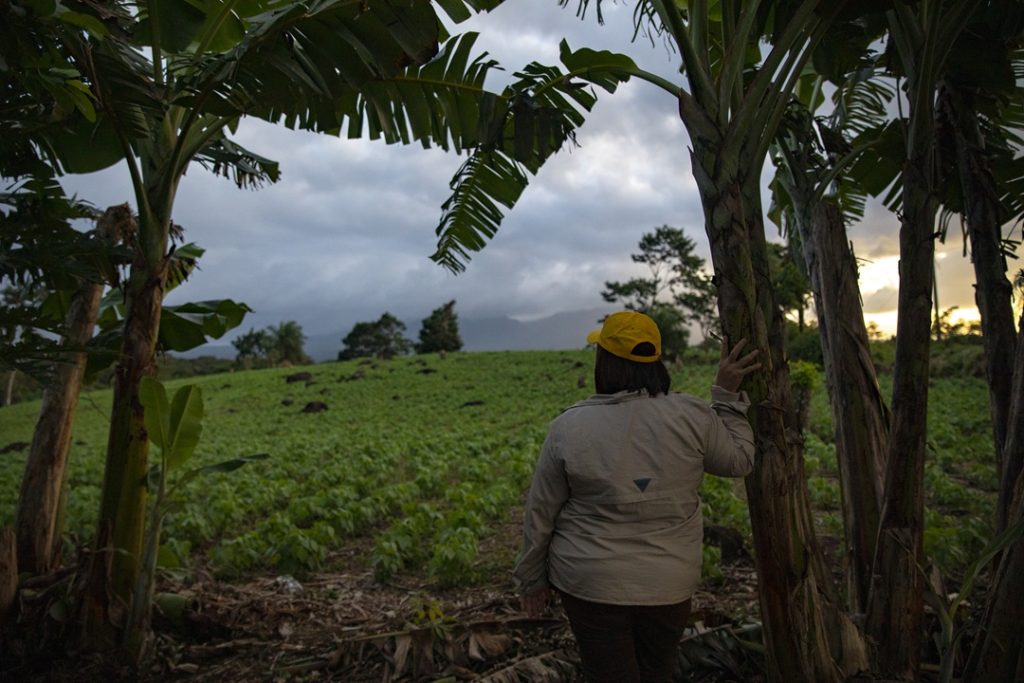
Women who lead the cooperative
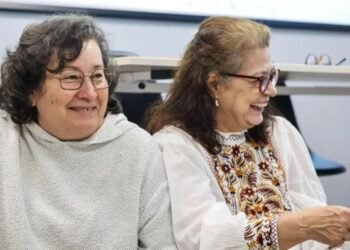
Martha Elena Somarriba, the president who does not let the group fall
She arrived from Tisma, Nicaragua, in 1994, crossing the border through blind spots with her children. He started washing and ironing until he discovered agriculture. Today she is president of “Tierra Prometida” and divides her time between growing crops and a catering business. He is the pillar of the group. “I am there, always encouraging them. We have been there for so many years, but we are almost there to see the light,” he says.
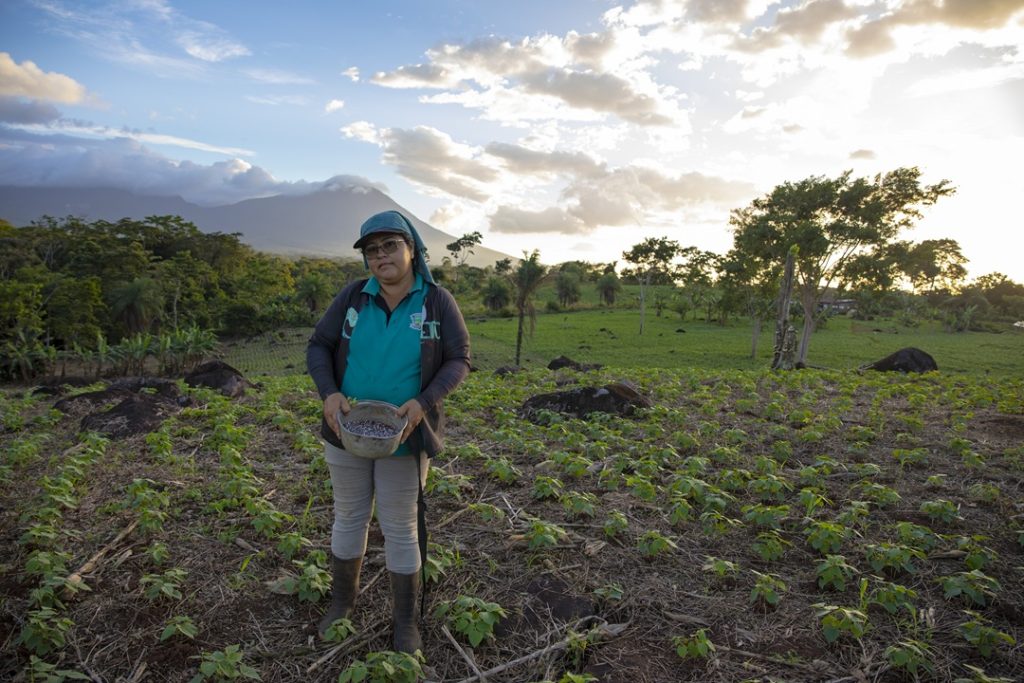
María Esther Garzón loves the land, even if it is not hers
She was brought to Costa Rica as a child and her mother taught her how to plant. It is the only job he has known and the only one he wants. He lives next to the land he rents, between rows of corn and beans. The bad years don’t stop her. “They tell me to get out of this. I tell them no, it’s what I love to do, it’s my job”
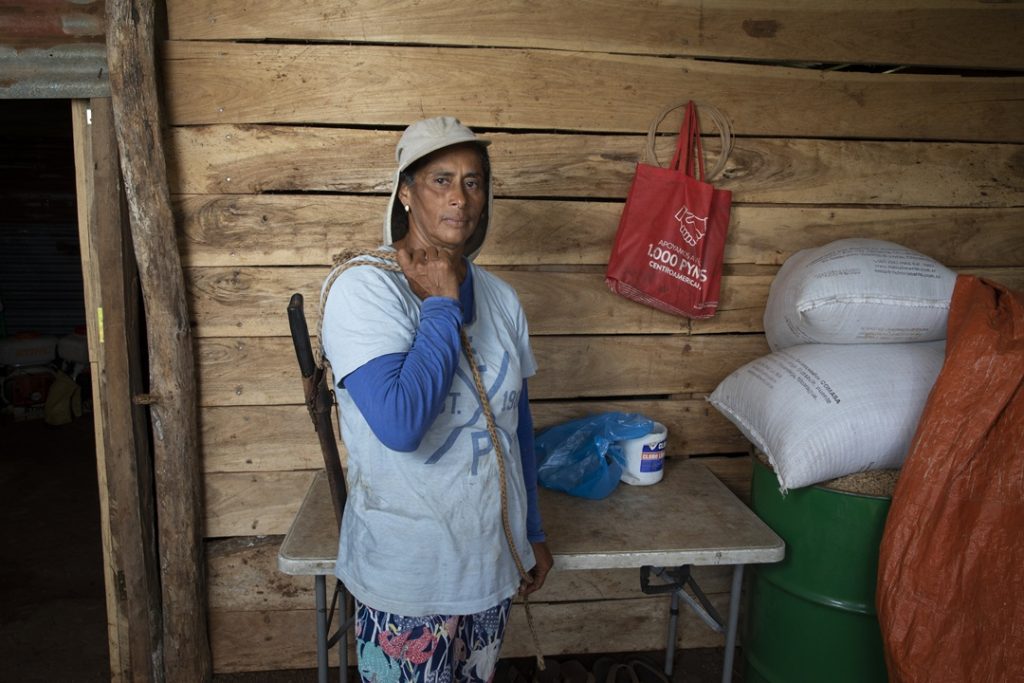
Yamileth Obando finds joy in seeing what she sows grow
For Yamileth, farming goes beyond sustenance. It’s something he feels but has a hard time explaining. “You feel an emotion, a joy to see the crops coming up,” he says. A joy that, he assures, only those who have placed a seed in the ground and hope it grows understand.