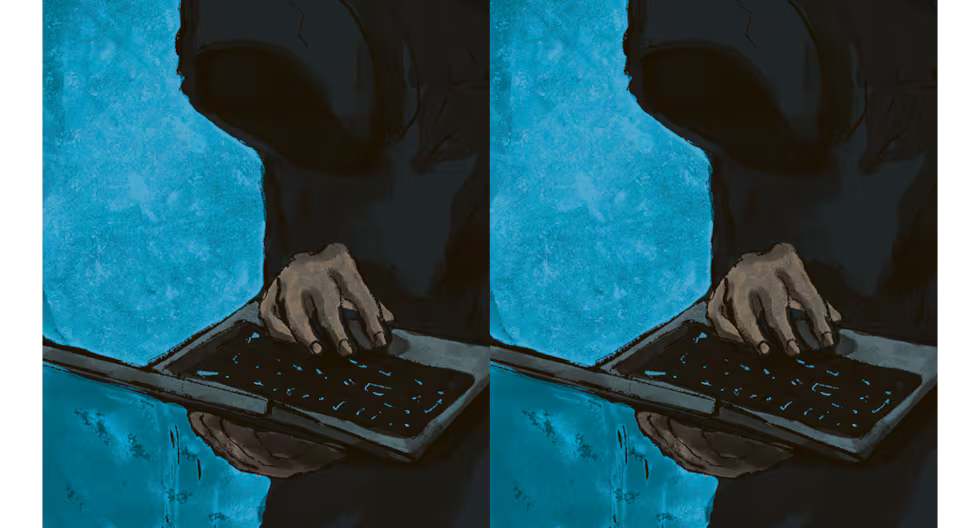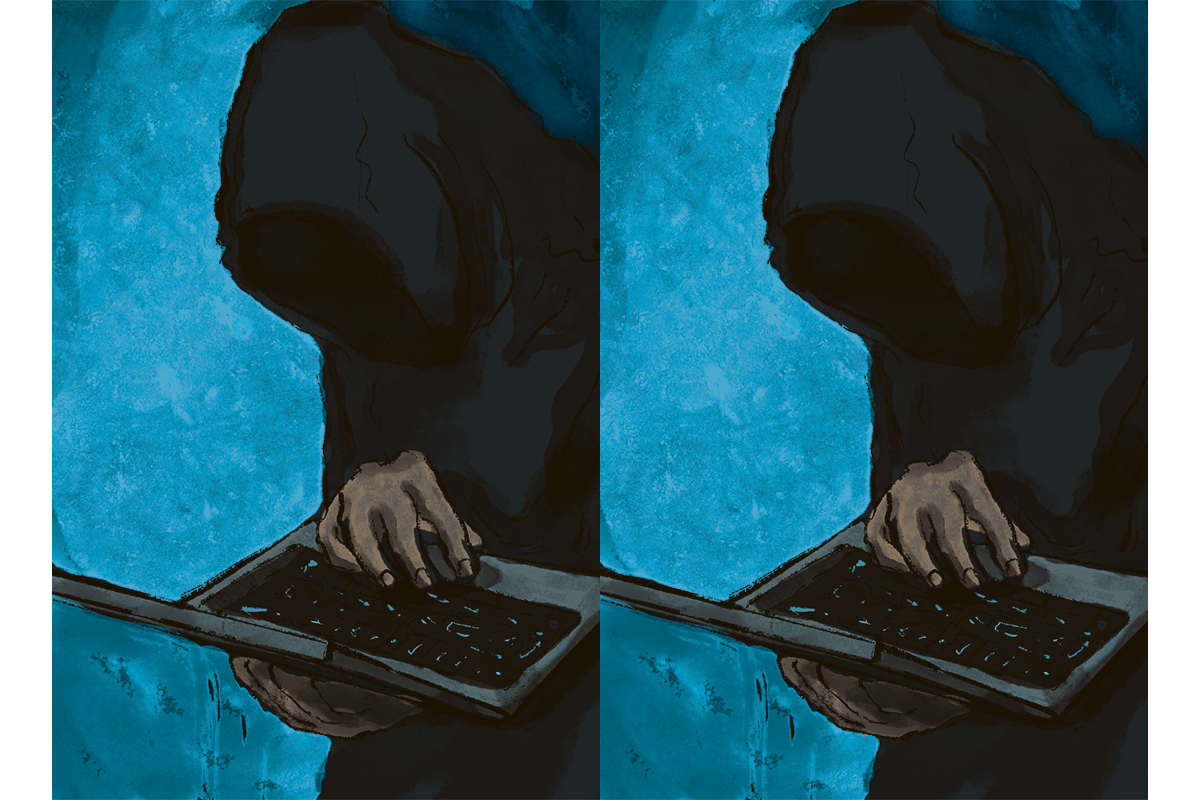
In just a few days, a series of problems and accidents concentrated especially in airport services and the attention of important banks to their clients in the United States have raised suspicions about a possible cause common to all of them: cyberattacks. That is, malicious actions by which individuals or organizations use technology to surreptitiously access computer systems, networks and equipment of private individuals, companies and states. These actions are usually aimed at the theft of information, the blocking of tasks automatically entrusted to these media and even the replacement of operating instructions, and entail an obvious danger. First, last Friday, the Federal Aviation Administration suspended nationwide flights in the United States for hours, due to a supposed systems renovation. That same day, Microsoft announced that it was restoring Microsoft 365 service to its customers after a massive outage attributed to a “technical issue.” On Monday, on the other hand, United Airlines also reported a technical interruption that forced it to suspend several takeoffs, and banks Chase and Wells Fargo faced problems that hindered their customers’ access to their online accounts. All this in, more or less, 100 hours. Chance? It is possible, but in the times we live in it is not the most plausible. The other explanation is that all these circumstances, or at least several of them, had the origin that we have mentioned. And one can imagine what could happen if such an attack targeted the military systems of some world power.
In just a few days, a series of problems and accidents concentrated especially in airport services and the attention of important banks to their clients in the United States have raised suspicions about a possible cause common to all of them: cyberattacks. That is, malicious actions by which individuals or organizations use technology to surreptitiously access computer systems, networks and equipment of private individuals, companies and states. These actions are usually aimed at the theft of information, the blocking of tasks automatically entrusted to these media and even the replacement of operating instructions, and entail an obvious danger. First, last Friday, the Federal Aviation Administration suspended nationwide flights in the United States for hours, due to a supposed systems renovation. That same day, Microsoft announced that it was restoring Microsoft 365 service to its customers after a massive outage attributed to a “technical issue.” On Monday, on the other hand, United Airlines also reported a technical interruption that forced it to suspend several takeoffs, and banks Chase and Wells Fargo faced problems that hindered their customers’ access to their online accounts. All this in, more or less, 100 hours. Chance? It is possible, but in the times we live in it is not the most plausible. The other explanation is that all these circumstances, or at least several of them, had the origin that we have mentioned. And one can imagine what could happen if such an attack targeted the military systems of some world power.
In Peru, we have suffered some episodes of this type, but so far they have been minor. As it is an international phenomenon, however, it is clear that for us too the problem could escalate at any time. And it would be absurd to wait idly for that to happen. The justified concern that citizen insecurity causes among authorities and citizens in general has relegated this situation to a very secondary level, but the alarms that are sounding from other corners of the planet warn that we cannot continue ignoring it. It is clear that the industry and the economy could suffer serious consequences from such an oversight. Therefore, a clear policy and strategy to protect and respond to this threat is urgently needed. An area in which, clearly, the State and the private sector would have to collaborate.
Source link