Text and image Jason Pinas
PARAMARIBO — Lawyer Derrick Veira, who legally represents the approximately sixty Mennonites, filed a new summary proceedings on Thursday to halt the group’s deportation. The first lawsuit that Veira filed on Tuesday was settled against him on Thursday by judge Deborah Haakmat-Sniphout.
In the new summary proceedings, Veira again asks to stop the preparations for the deportation. In addition, the lawyer asks the president to review the rejection of the group’s Short Stay Authorization (MKV). “Clients came to Suriname at the invitation of the Ministry of Bibis, whereby they received an official letter. This official letter was also linked to a list of names. Since then, they have made various investments,” reads a passage from Veira’s letter to the head of state. The verdict is expected on Monday.
“Now they are completely deprived, while they do not even have the status of suspects. On what basis are they here?”
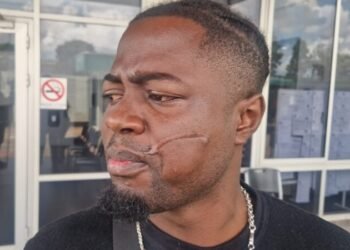
Attorney Derrick Veira
Human factor
The Mennonites were removed from the Mazonia area on Monday to Tuesday and transferred by bus to Kraka. There they are shielded from the outside world. Even their lawyer has no access.
Veira is clearly annoyed about that. “This is not how you deal with the human factor. There are international treaties that have also been ratified by Suriname and I don’t even want to talk about the humanitarian situation. Now they are completely deprived, while they do not even have the status of suspects. On what basis are they here?” he asked angrily on Wednesday afternoon after he was denied access to the people.
Weighing of interests
In the first summary proceedings, he had demanded on behalf of the company Suriname Green Energy Agriculture, which has a partnership with the Mennonites, that the deportation actions that had already been initiated should be immediately stopped. He also asked that the state should not take any measures that would interfere with the implementation of a possible judicial ban. The lawyer demanded a penalty of SRD 10 million per day with a maximum of SRD 100 million. It was further requested that the state be ordered to pay the legal costs, including SRD 150,000 in salary for the defense counsel.
However, the judge ruled that the economic importance of Suriname Green Energy Agriculture, no matter how important it is, does not outweigh the interest of the state to enforce the Aliens Act on its territory. She pointed out that the Mennonites do not have a valid residence permit.
Commenting on the verdict, Press Judge Marjorie Sanches said that in 2022 the government has given Suriname Green Energy Agriculture permission to bring fifty foreign families to Suriname for a period of three years to work on an agricultural project. The explicit condition was that the procedures for residence and work permits had to be followed.
Sanches also explained that the government had indeed agreed to cooperate in obtaining the necessary permits. However, this does not alter the fact that the company had to take its own responsibility to ensure that the residence documents of its employees were in order.