
The Pan American Health Organization (PAHO) is calling on Caribbean countries to step up mosquito control, strengthen disease monitoring and prepare healthcare facilities for possible increases in dengue and chikungunya infections.
The warning follows reported renewed transmission of both mosquito-borne diseases in parts of the Americas, alongside concerns about the anticipated intensification of the El Niño weather phenomenon.
In a recently issued epidemiological update, PAHO reported approximately 1.69 million suspected dengue cases across the Americas by mid-September 2026, including 3,413 severe infections and 571 deaths.
Although reported cases were 58 per cent lower than during the corresponding period in 2025, the agency noted that the decline was uneven, with recent increases recorded in the Caribbean, Central America and Andean subregions.
All four dengue virus serotypes were circulating across the Americas during 2026.
Chikungunya has also raised concerns, with transmission increasing between late 2025 and 2026, including in territories where the virus had been absent for several years.
By mid-September, 20 countries had reported 213,919 suspected chikungunya cases, including 78,481 confirmed infections and 88 deaths.
PAHO also identified outbreaks in previously unaffected areas, transmission outside usual seasonal patterns, longer outbreaks and more reports of severe illness.
The agency recommended stronger epidemiological, virological and mosquito surveillance, improved diagnostic services, early detection and timely treatment.
Healthcare facilities were urged to prepare for increased patient numbers, with primary healthcare workers trained to recognise dengue warning signs before complications develop. Hospitals should also be equipped to manage severe cases.
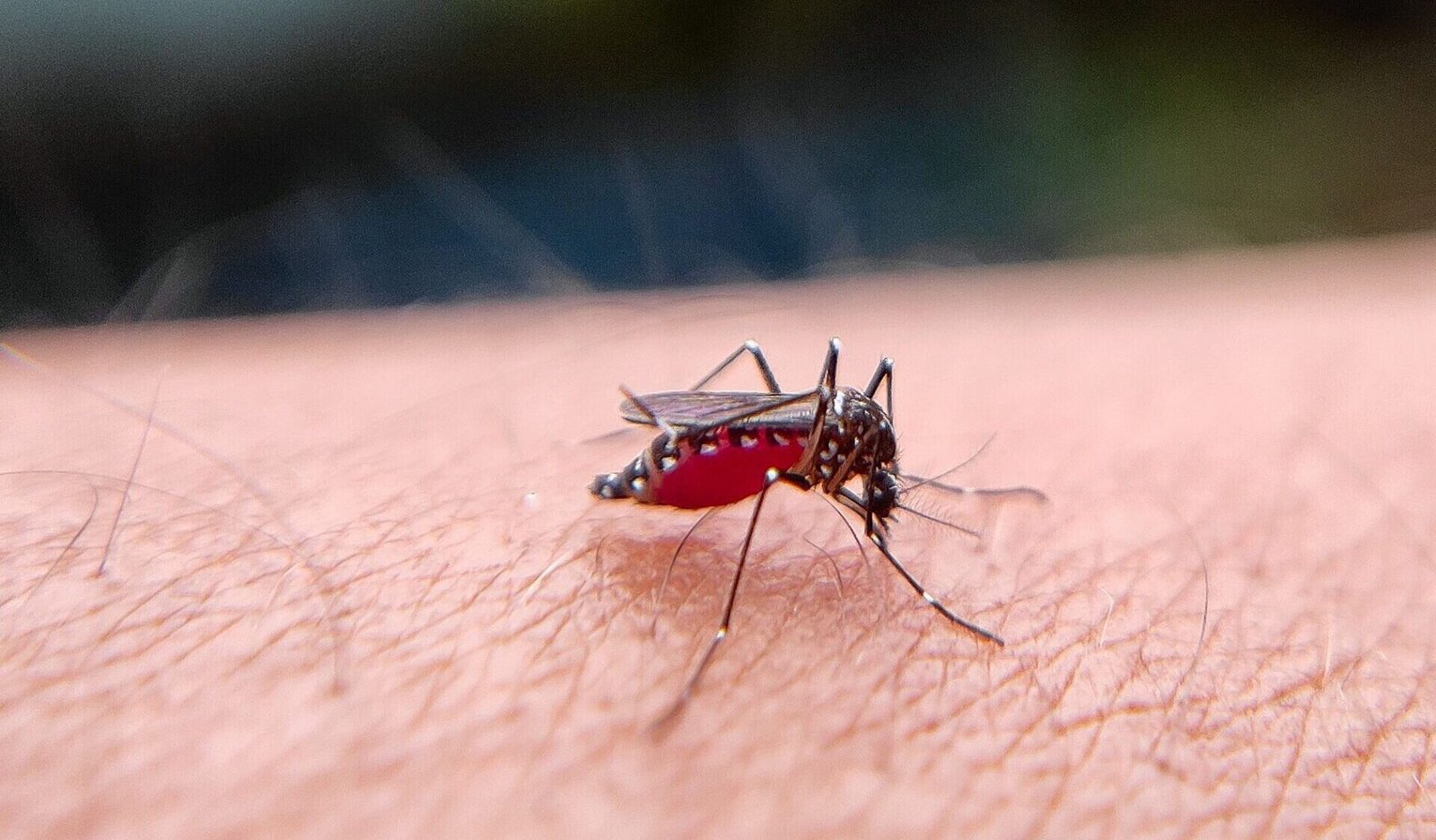
PAHO further encouraged integrated control of Aedes mosquitoes, which spread both diseases, through improved environmental management and community participation.
Residents, families and local authorities were urged to eliminate standing water and remove containers that provide mosquito breeding grounds.
The agency stressed that preventing mosquito reproduction remains essential to reducing transmission risks.