Havana/A cleaning employee who works full-time for the minimum wage in Washington earns more than three and a half times what an official at the Cuban Embassy in that city earns, on average. While the former receives about $3,111 per month, the diplomatic headquarters’ payroll shows an average of just $833, an amount that is well below the federal poverty reference in the United States.
The figures come from internal documents of the diplomatic representation, obtained by The Touch through an email leak. According to the research published this FridayIn January 2025, the Embassy disbursed $41,654 in salaries for a staff that, according to the files, had 50 workers, between temporary and permanent. From this results the average of 833 dollars per month, although the individual remunerations are not known nor is it clear if all the employees were on that payroll.
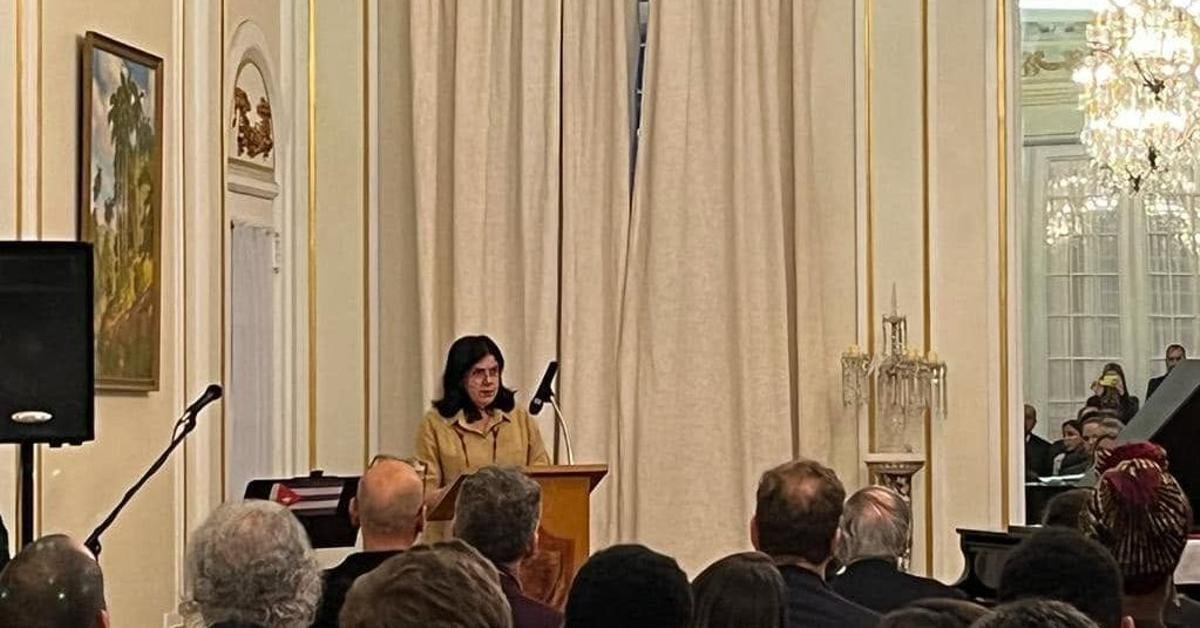
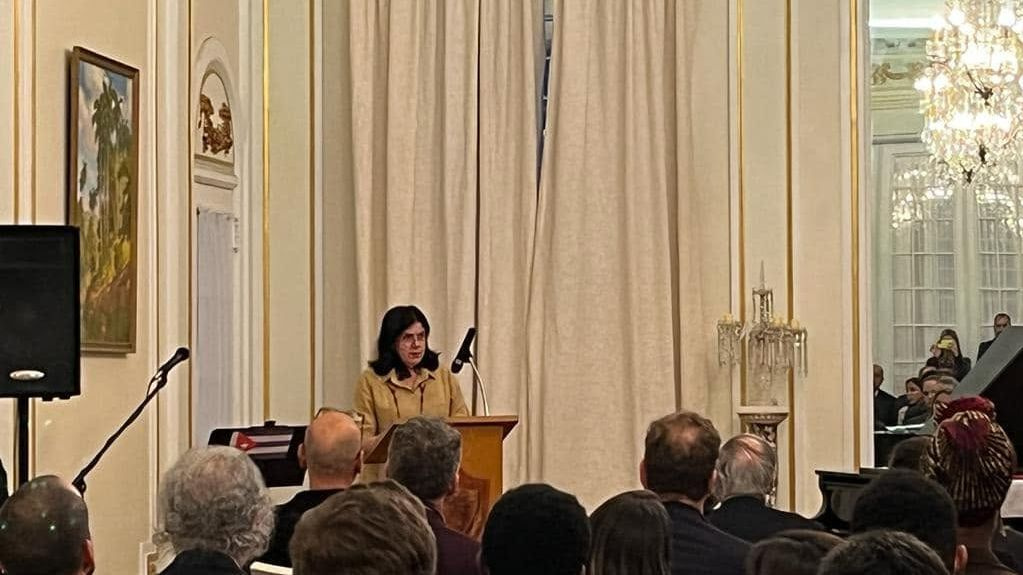
The surprising thing is that the salary austerity contrasts with the money allocated to the homes of the senior officials of the diplomatic headquarters. For 2025, the Embassy had budgeted $468,025 in salaries, compared to $1,041,710 for rent. For every dollar reserved to remunerate its workers, the Cuban Government budgeted 2.23 to provide them with accommodation. The residence of the ambassador herself, Lianys Torres Rivera, cost $8,569 a month, more than ten times the average salary recorded at the diplomatic headquarters.
The average recorded in the Cuban mission is equivalent to just over a quarter of what a full-time local worker earns with the minimum remuneration.
The figure takes on another dimension when compared to American indicators. In 2025, the Department of Health and Human Services set it at $15,650 annually the federal poverty benchmark For one person, equivalent to about $1,304 per month. If the Embassy average were maintained throughout the year, it would barely reach $9,996, that is, $5,654 below the limit.
Even more pronounced is the difference with Washington’s minimum wage. In January 2025 it was $17.50 per hour, equivalent to about $3,033 per month for a 40-hour week. Since July it rose to $17.95which represents approximately $3,111 per month. In other words, the average recorded in the Cuban mission is equivalent to just over a quarter of what a full-time local worker earns with the minimum remuneration.
But the true privilege of the Cuban officials stationed in Washington does not seem to be in the money they receive directly, but in the expenses that the State assumes for them. The most significant example is that of ambassador Lianys Torres Rivera, who shares a residence with her husband, Carlos Amores, also a diplomat. According to the files consulted by The Touchhousing costs 8,569 dollars a month, about 102,828 a year.
As a point of comparison, the Costa Rican State paid $7,000 per month for the home of its ambassador in Washington in 2020.
The document corresponding to June 2024 indicates that the property has been rented since November 1976, almost half a century ago. It is not known whether the contract has been maintained uninterruptedly or how much its price has changed since then. Other residences for senior Cuban officials cost around $3,600 a month, while apartments assigned to the rest of the staff range between $1,815 and $3,000.
As a point of comparison, the Costa Rican State paid $7,000 per month for the housing of its ambassador in Washington in 2020. Diplomat Fernando Llorca Castro recorded in his official management report that he voluntarily renounced that benefit, which saved his Government $84,000 annually.
The contrast also extends to everyday life. While the ambassador’s residence appears linked to numerous receipts for purchases in supermarkets, pharmacies and hardware stores, lower-ranking employees had to organize their visits to establishments such as Costco, Aldi and Walmart through collective excursions on two buses from the diplomatic headquarters. An internal communication from September 2025 asked to plan departures to avoid high fuel costs.
A former official of the Ministry of Foreign Affairs interviewed by ‘El Toque’ maintains that this structure also functions as a control mechanism
The benefits of diplomats do not end when they return to Cuba either. The leaked emails reveal the shipment of at least six containers managed through diplomatic franchises, with goods that included motorcycles, refrigerators, washing machines, power plants and photovoltaic energy systems. The report presented by the ambassador herself listed more than a hundred articles. In January 2025, the Embassy also recorded more than $11,300 in payments for excess baggage transported by sea.
For Cuban diplomats, these shipments represent an advantage that goes far beyond salary. The possibility of moving appliances, vehicles and energy equipment to a country where they can be purchased is extraordinarily difficult and expensive turns the franchise into a benefit of considerable economic value.
The system ends up creating a unique relationship between the State and its representatives abroad: they receive salaries that would be insufficient to sustain an independent life in Washington, but they enjoy housing and other benefits paid for or provided by the Government itself. A former Foreign Ministry official interviewed by The Touch He maintains that this structure also functions as a control mechanism, because losing one’s position can mean simultaneously losing one’s home and the benefits associated with the mission.