“Combination of dissatisfaction with Zvrnec, corruption and the high cost of living” what the NYT writes about the protests in Albania

tidings

Express Newspaper
15/10/2026 23:49
Student protests in Albania have turned violent, while calls for the resignation of the head of government have increased. Opposition to a luxury resort project linked to Jared Kushner is compounded by growing discontent over corruption and the cost of living.
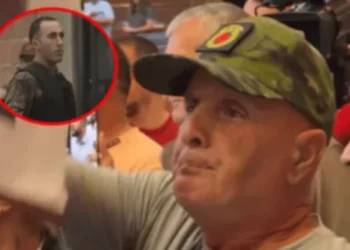
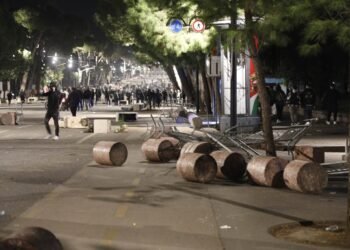
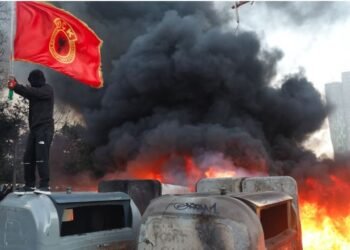
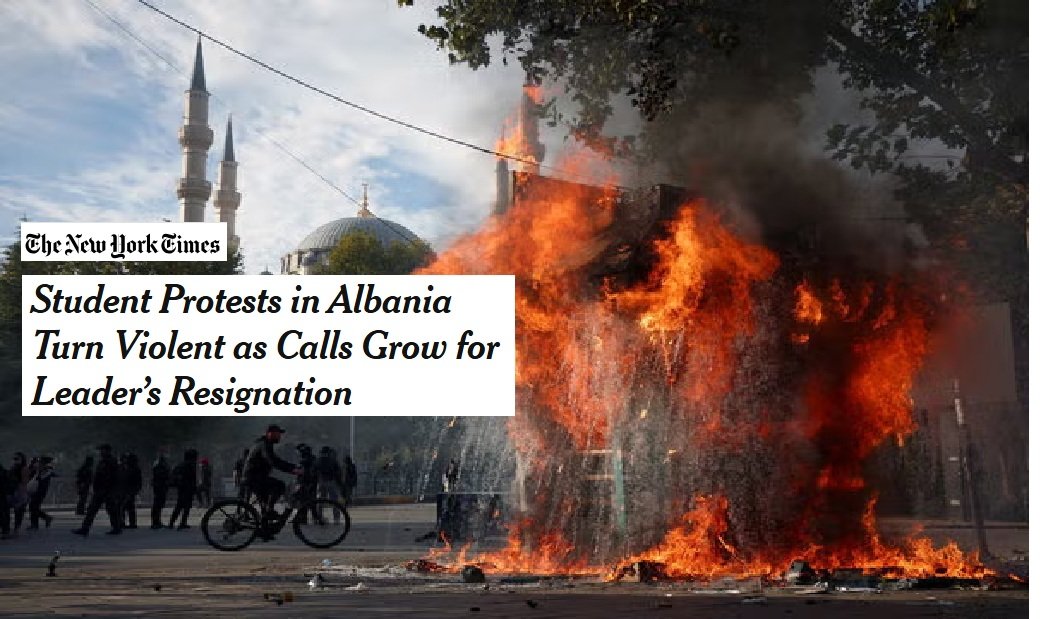
On Thursday, thousands of students paralyzed the capital of Albania, lighting fires in the streets and erecting barricades with iron elements. Anger over the high costs of education turned into violent protests, demanding the resignation of the prime minister.
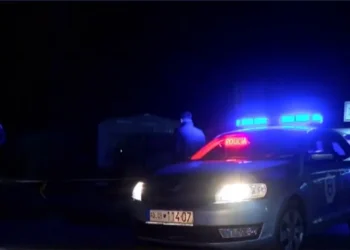
Police responded with tear gas and water cannons, arresting dozens of people and charging almost 100 individuals in total. However, it seems that these measures did not soften the growing pressure on the Albanian Prime Minister, Edi Rama. Public opposition to a project for a luxury resort — linked to Jared Kushner, President Trump’s son-in-law — was compounded by growing discontent over corruption and the high cost of living.
This week, the demonstrations that have been going on for months on these issues escalated into violent protests in Tirana. The costs of education put high school students, university students and other citizens on the streets.
As they marched towards the Ministry of Education and the Prime Minister’s Office, some of the protesters set fire to garbage cans and bus stops, threw stones at government buildings and banks, and clashed with the police.
“Albanians have been protesting for more than 4 months demanding the resignation of the prime minister, but no one has paid attention to their demands” – said Anila Shehu, a third-year engineering student. “For this reason, we will continue to protest by any means and in any way possible until Rama resigns. More!”
Protesters blocked several roads, lit fires and uprooted iron fences to use as barricades. Some of them uprooted concrete blocks from the sidewalks and broke the windows of government-related buildings. They also vented their anger at banks and financial institutions, pelting them with stones and destroying ATMs. Police tried to quell the protests by using tear gas and pressurized water. The authorities announced that they have arrested 55 people, while 98 others have been charged with criminal offences. The Ministry of Health announced that 89 people were injured, including 61 police officers and 18 protesters.
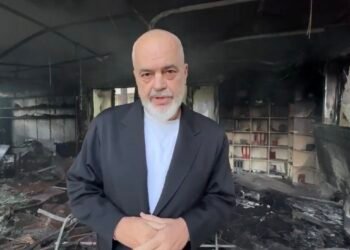
Mr. Rama, who last year secured a fourth term as prime minister after the landslide victory of the Socialist Party, declared that the student protests have been taken over by groups aiming to thwart Albania’s plans to join the European Union. On Thursday, he visited the charred ruins of the College of Europe – a postgraduate institution that trains Europe’s future technocrats and also has branches in Belgium and Poland.
“Whoever has a hand in this chaos will surely be held accountable,” he said in a video published on social networks.
After a third consecutive day of protests on Thursday, smoke still billowed from garbage containers, while some shops and tourist spots remained closed. In a jewelry store on the first floor of the “Maritim Hotel Plaza Tirana” hotel, employees covered the windows with paper, preparing for the possibility of further destruction. Some protesters targeted such buildings, arguing that the government’s push for a new urban look – designed by foreign architects – serves to hide the neglect of Albania’s own schools and universities.
“I’m not against the protest. The goal is opposition to the prime minister and the government,” said Arian Krypci, 57, the head of administrative security at “FiBank”, as he stood in front of a burnt branch of his bank, near the prime minister’s office.
“But for the situation to escalate in this way, I don’t like it at all,” he added. “The government must make a decision: either resign, or take the police or the army out into the streets, because this chaos cannot continue indefinitely.”
What began as a student-led protest in support of peaceful demonstrations against luxury construction projects has expanded to include groups of soccer fans and others expressing anger at the government, explained Emir Lecini, a member of the student group that helped launch the protest. “I cannot say where the protests will go next or what the next step will be because the situation has become impossible to control,” he said. “However, we stand by our demand for Rama’s resignation and the protests will not stop until he leaves.”
Protests against the project linked to Kushner began after a video circulated online. It showed private security guards, on May 30, dragging away a man who had joined several dozen residents and environmental activists on a beach in southern Albania – an area Mr. Kushner and his business partners want to include it in a proposed project for a luxury hotel and resort.
Known as the “flamingo revolution” – an allusion to the region’s rich world of birds – the protests had been largely peaceful until this week, turning into a daily carnival in Tirana.
For protesters, the planned project linked to Kushner became a symbol of a system where politicians, who pursue their own interests, award lucrative contracts to their cronies at the expense of ordinary citizens. Mr. Rama, who has been part of the government on and off since 1998 and is the main object of anger, alongside Sali Berisha, 81, a former prime minister who leads the main opposition party.
Last month, Mr. Rama stated that the development of the project was suspended, while the government was assessing its impact on the surrounding environment. He emphasized that the continuation of the construction of this luxury project depends on this assessment.
Mr. Rama told the Reuters agency that he will not resign, adding that such an action “would be a betrayal of the Albanians, who gave me a strong mandate to conclude negotiations for membership in the European Union.” /Lapsi.al