Security involvement in a project targeting the resistance
father-in-law
Information broadcast by Hebrew Channel 11 reveals that Morocco has moved from the path of political and diplomatic normalization with the Zionist occupation to a more sensitive level of direct involvement in security and military arrangements related to the Gaza Strip, by hosting the first training program for the International Stabilization Force to be deployed in the Strip, with the participation of Israeli security services and an American military leadership.
According to the Hebrew channel, Morocco will play a pivotal role in training thousands of members who will form the nucleus of this force, while about 500 soldiers will later be sent to participate in its deployment inside Gaza. The mission of this force, according to the plan, will begin in areas under the control of the Israeli occupation, most notably the “New Rafah” project, which is intended to be a “Hamas-free” area, reflecting the nature of the security objectives for which it was established.
Observers believe that this step confirms Rabat’s involvement in a project that serves the priorities of the Israeli occupation, as its focus is on disarming the Palestinian resistance and stripping it of its military capacity, while there is no practical commitment or clear timetable to end the occupation or enable the Palestinians to establish their independent state.
This path raises questions about the nature of the role played by the international force, as talk constantly revolves around rearranging the security situation inside Gaza, securing the borders, and training new Palestinian agencies, while there is no serious talk about obliging the occupation to stop its attacks or complete withdrawal from the Palestinian territories.
Observers also point out that the “Peace Council” supervising the project has not been known to issue firm positions regarding the crimes committed by Israel in the Gaza Strip, nor regarding the continuation of the siege or the targeting of civilians, nor has any position been recorded demanding that the occupation be held accountable for its disavowal of the ceasefire agreements, despite its repeated field violations.
For them, the priority that the project gives to disarming the resistance, in exchange for silence regarding Israeli violations, reveals a fundamental flaw in the philosophy of this initiative, which, in their view, seems closer to providing security arrangements that serve the occupation and perpetuate the facts it imposed by force, rather than addressing the roots of the conflict or guaranteeing the legitimate national rights of the Palestinian people.
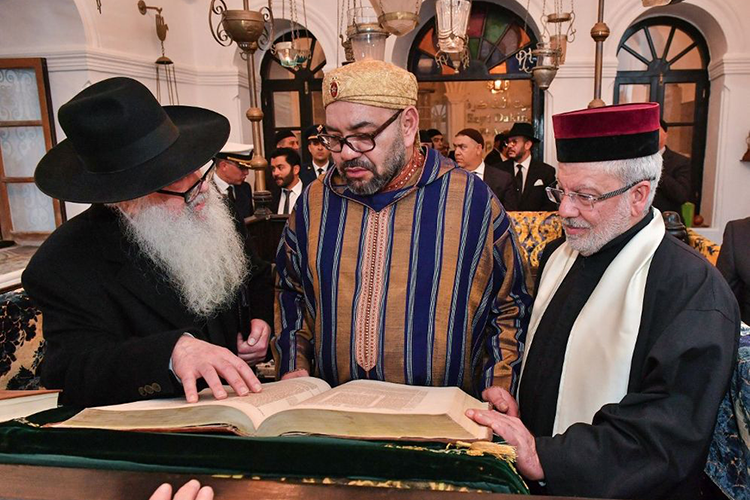
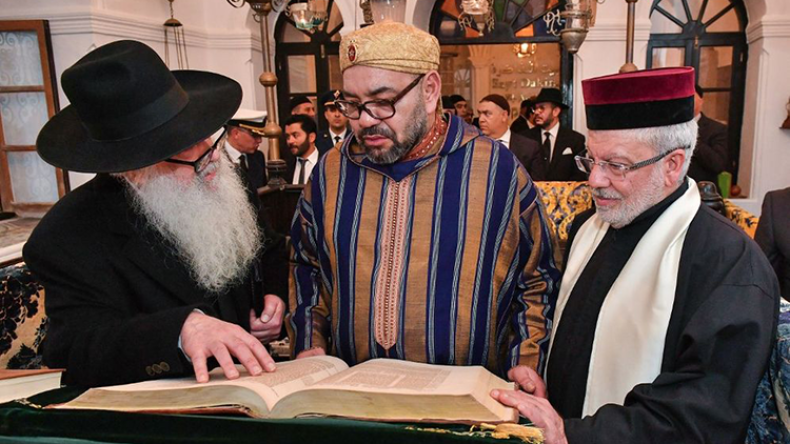
The new Moroccan role comes as an extension of an increasing path of cooperation with the occupation since the signing of the normalization agreement. However, the move to participate in security arrangements inside Gaza gives this cooperation an unprecedented field dimension, and places Rabat at the heart of a project that faces widespread criticism as focusing on the future of the resistance weapons, more than it focuses on ending the occupation and achieving an independent Palestinian state.