The Government is considering whether New Zealand should join the new Ocean of Peace Alliance as debate grows over how the Pacific can strengthen its security without losing sight of its own priorities.
Speaking with William Terite on Pacific Mornings, Associate Professor Anna Powles, from Massey University’s Centre for Defence and Security Studies, said New Zealand exploring the agreement was “not surprising”.
But she warned the region must ensure Pacific voices remain at the heart of decisions being made at pace.
Her comments come after Foreign Affairs Minister Winston Peters confirmed New Zealand is looking at the alliance, signed last week by Australia and Fiji following China’s recent long-range ballistic missile test into the South Pacific.
Peters told RNZ’s Morning Report that New Zealand would continue working with Australia and Pacific Islands Forum members on a regional response.
“Our neighborhood is not an empty void, and it is certainly not a testing gallery for outside superpowers to conduct strategic muscle-flexing,” Peters said.
“The ‘Ocean of Peace’ is a foundational reality for our people, not just a nice phrase on a declaration.”
China has defended the missile test as lawful and part of routine military training.
Powles said Beijing’s response was expected. “I think that is a fair assessment,” she told Terite. “China has made some comments over the past week stating that it is routine, that it is within international law.”
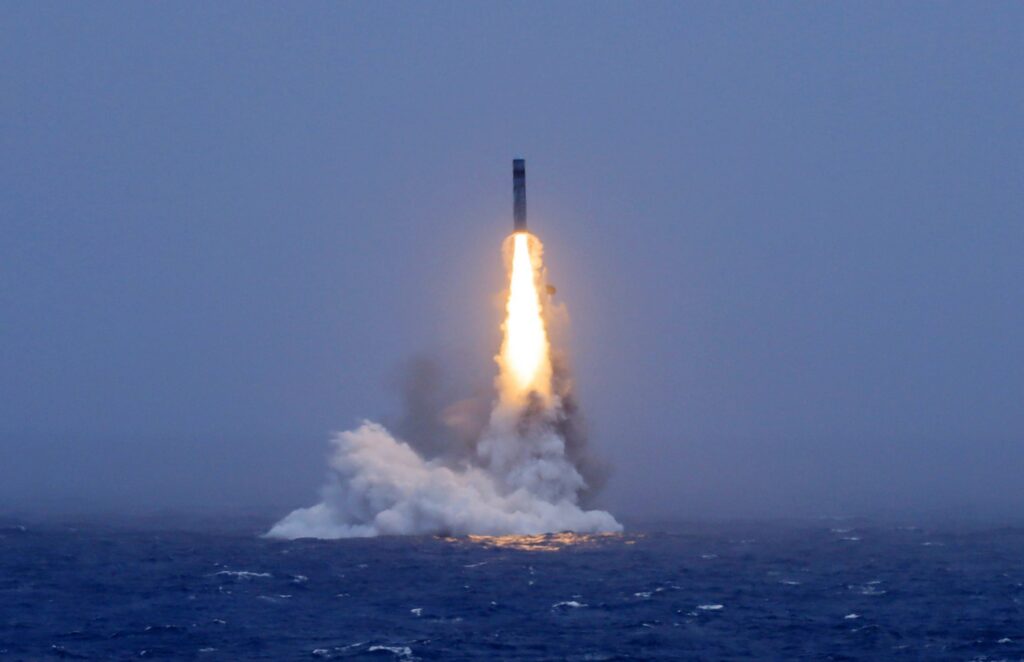
China’s long-range ballistic missile test over the South Pacific has prompted concern from New Zealand and Pacific leaders, reigniting debate over regional security and the Ocean of Peace. Photo/Instagram
But she said Aotearoa’s interest in the Ocean of Peace Alliance reflected wider discussions already taking place across the Pacific about regional security.
“I think it’s not surprising, certainly, and this issue, the issue of strengthening the regional security architecture is by no means new either in the region.”
She said the agreement should not be viewed as an automatic mutual defence treaty.
“There is still a degree of ambiguity to this. It is not an automatic mutual defence treaty, for instance.”
Powles also said New Zealand would need to consider what it could realistically contribute if it joined and this included whether it had the people, equipment and funding to meet any future commitments.
Listen to Anna Powles’ full interview below.
While the alliance aims to strengthen regional security, Powles acknowledged concerns that more defence agreements could increase tensions.
“The Pacific Elders [group] have come out very strongly over the past week,” she said. “The common theme is not simply a criticism of China but rather that all Pacific countries oppose any kinds of militarisation.”
She said Pacific governments were calling on all countries, not just China, to avoid actions that could threaten regional stability or undermine the Treaty of Rarotonga, which established the South Pacific Nuclear Free Zone.
Powles also warned that Australia’s growing network of defence agreements across the region was changing the Pacific’s security landscape rapidly.
“The challenge… is that this is happening at pace and not necessarily with Pacific leaders and Pacific priorities and perspectives at the heart of it.”
That message has also been echoed by Pacific leaders.
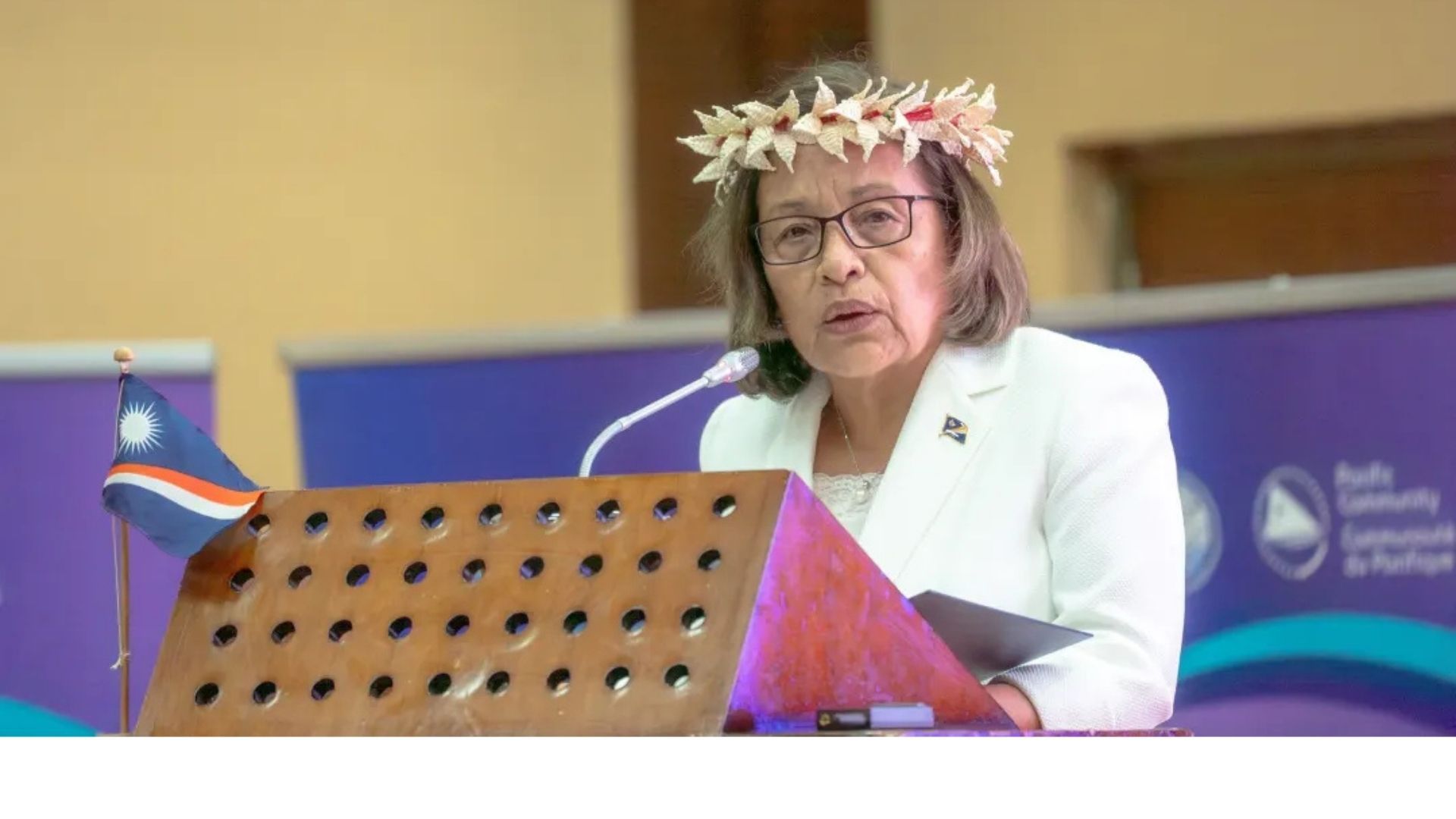
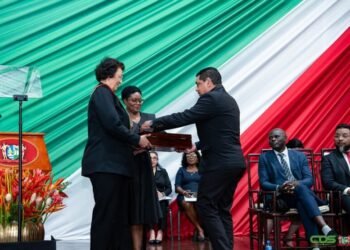
Marshall Islands President Hilda Heine has condemned China’s missile test, saying the Pacific cannot be treated as a venue for military signalling and urging all countries to respect the region’s commitment to peace. Photo/Pacific Community
Palau President Surangel Whipps Jr said China’s missile launch had heightened fears across a region with a long history of nuclear testing.
“We definitely need to work together to bring tensions down and reduce nuclear risk for our ocean,” he told RNZ Pacific.
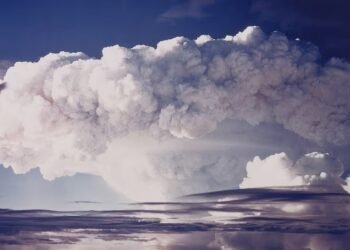
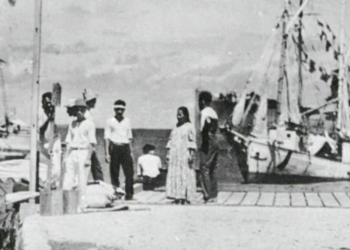
The Marshall Islands, where 67 United States nuclear tests were carried out between 1946 and 1958, also condemned the launch, saying: “A region asking for peace is not a region inviting a demonstration of force,” a statement from the office of President Hilda Heine said.
Powles says New Zealand now faces a difficult balancing act. She said staying outside the alliance could leave Wellington with less influence over decisions shaping the Pacific’s future security.
“The danger if you stay outside is that you’re not part of the decision making.”
As New Zealand weighs whether to join the alliance, the wider debate across the Pacific is no longer just about defence. It is also about ensuring the region’s own priorities and voices remain at the centre of decisions that will shape its future security.