Stress, a sedentary lifestyle, irregular sexual activity or a history of urinary infections are signs that many men often overlook. However, they could also indicate a more complex problem, like prostatitis, a common but little-visited condition that, in many cases, is not detected in a timely manner and can aggravate its effects on health.
Dr. Natalia Vargas Quesada, urologist and sexologist at the Urocare clinic and part of the MediSmart medical network, addresses in detail What this condition consists of and how it can influence men’s quality of life.
What you should know:
- It is an inflammation of the prostate.
- Most arise from bacterial infections and can be treated.
- Needs medical diagnosis including digital rectal examination.
What is prostatitis about?
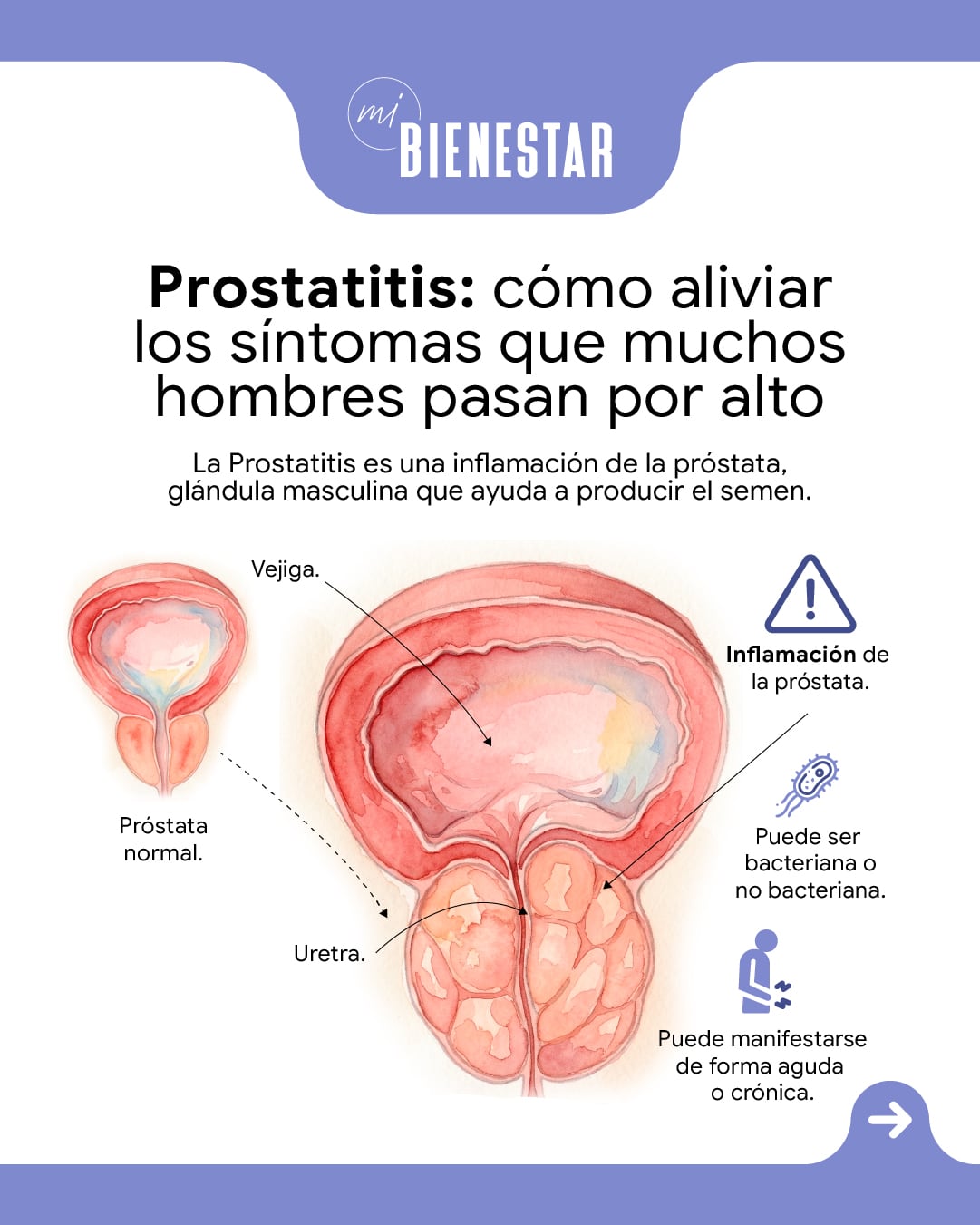
The prostatitis is inflammation of the prostate, a gland of the male reproductive system located below the bladder.
Vargas indicates that There are four types of prostatitiseach with specific characteristics that guide its diagnosis and treatment.
• Acute bacterial prostatitis: Sudden onset, caused by bacterial infection.
• Chronic bacterial prostatitis: recurrent prostate infections.
• Chronic prostatitis or chronic pelvic pain syndrome: The most common does not always have a clear bacterial cause.
• Asymptomatic inflammatory prostatitis: It does not present symptoms and is detected incidentally.
Far from being a problem exclusive to older adults, This condition can occur in young men and men of productive age.impacting not only your physical health, but also your emotional well-being, your work performance and your sexual life.
“Prostatitis is a common but treatable condition and an appropriate diagnosis allows the patient’s quality of life to be significantly improved,” said the urologist.
Symptoms
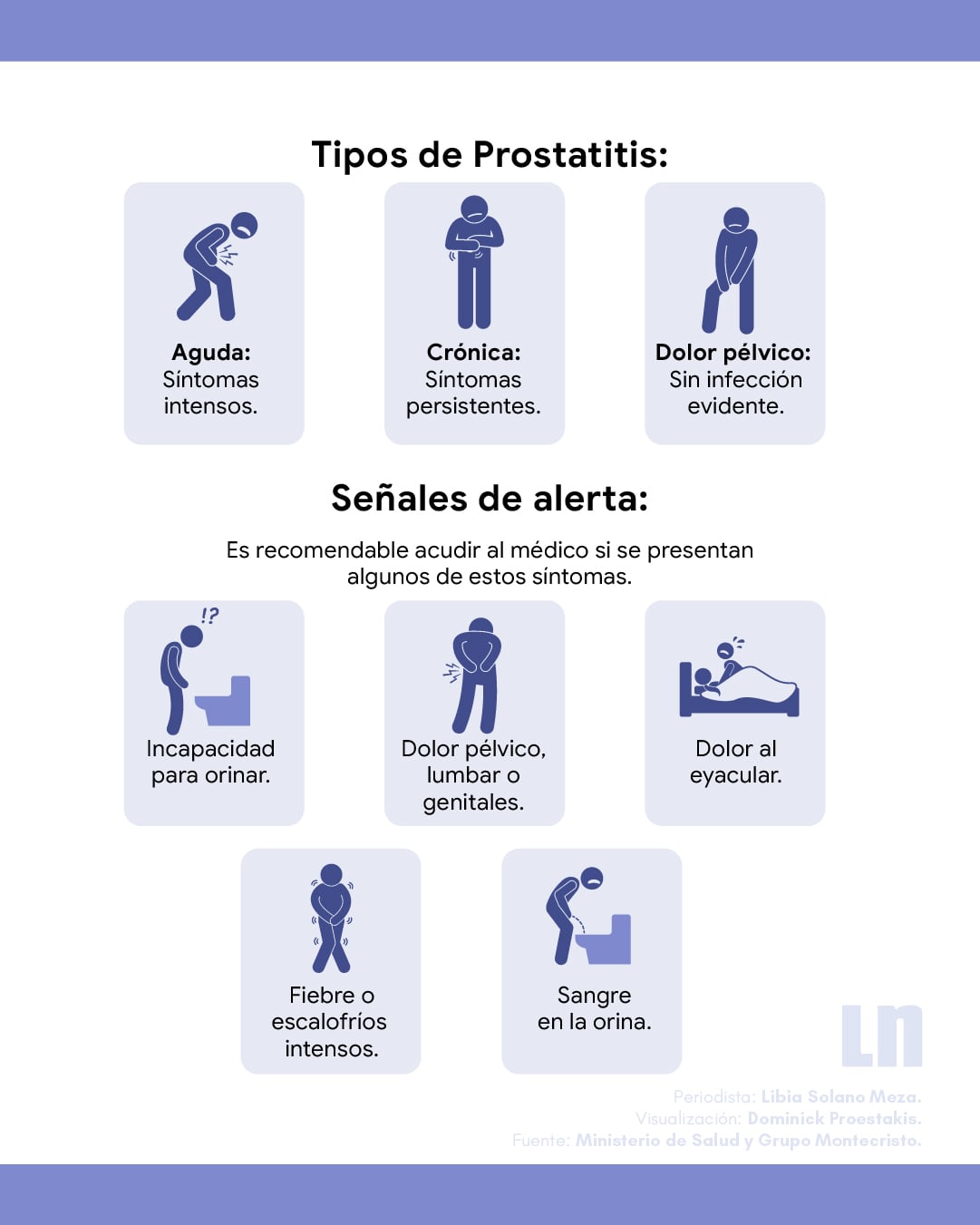
The symptoms of prostatitis can manifest differently depending on the type and severity of the condition, but among the most common are:
- Pain or burning when urinating
- Pain in the pelvis, perineum, testicles, or lower back
- Feeling of incomplete emptying of the bladder
- Increase in urinary frequency
- Pain during ejaculation
“It is important to clarify that although some prostatitis arises from bacterial infections, not all share this cause,” said Vargas.
Warning signs
The specialist indicates that if these signs occur, you should immediately consult a doctor:
• High fever
• Chills
• Urinary retention (inability to urinate)
• Sudden, intense pain
What factors can cause or increase the risk of prostatitis?
Prostatitis can arise for different reasons and its origin depends on the specific type of the condition. Among the most frequent causes are bacterial urinary tract infections, recent urological manipulation, chronic stress and pelvic floor muscle tension.
It is also given by the sedentary lifestyle or sitting for a long time, by having irregular sexual activity and for having history of urinary infections.
One of the biggest challenges of prostatitis is its complexity. Added to this is a frequent problem that is the underestimation of symptoms as some men prefer to self-medicate or wait for the discomfort to disappear, which delays the diagnosis and can make the condition chronic.
How is prostatitis diagnosed?
The diagnostic process requires a comprehensive evaluation that contemplates the detailed patient history, physical examinations including digital rectal examination and urinalysis, and in some cases, cultures or additional studies. This approach allows us to differentiate between the different types of prostatitis and define the most appropriate treatment.
What treatments exist depending on the type of prostatitis?
The approach to prostatitis is not the same for all cases, since treatment varies depending on the type and cause of the condition. However, the urologist details how they are treated:
Bacterial: Antibiotics, anti-inflammatories, and pain management are recommended.
Nonbacterial chronic: It is approached with a comprehensive approach that may include pelvic floor physical therapy, stress management, pain medications, and lifestyle changes.
The specialist clarifies that in some cases muscle relaxants or treatments aimed at patients’ chronic pain are used.
According to the World Health Organization (WHO), There is no evidence that directly links prostatitis to prostate cancer.although scientists are investigating whether chronic inflammation of the prostate could be a factor that favors its appearance.
Regarding the prevention of prostatitis, the urologist assures that making small changes can generate a significant impact, these range from staying hydrated, avoiding spending long periods sitting, not retaining urine, managing stress, having healthy sexual habits and attending to any urinary symptoms in time.