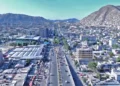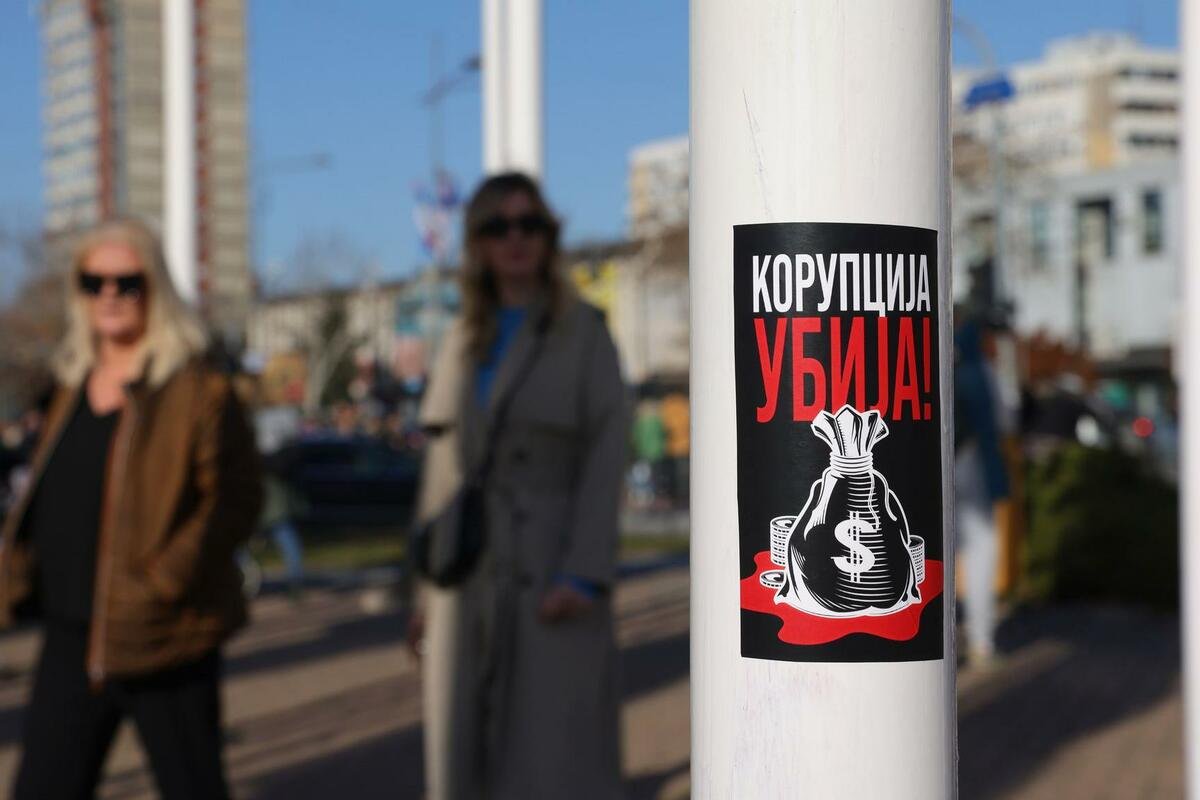
The scenography of Belgrade in recent years is a kind of construction chaos.
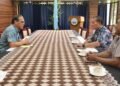
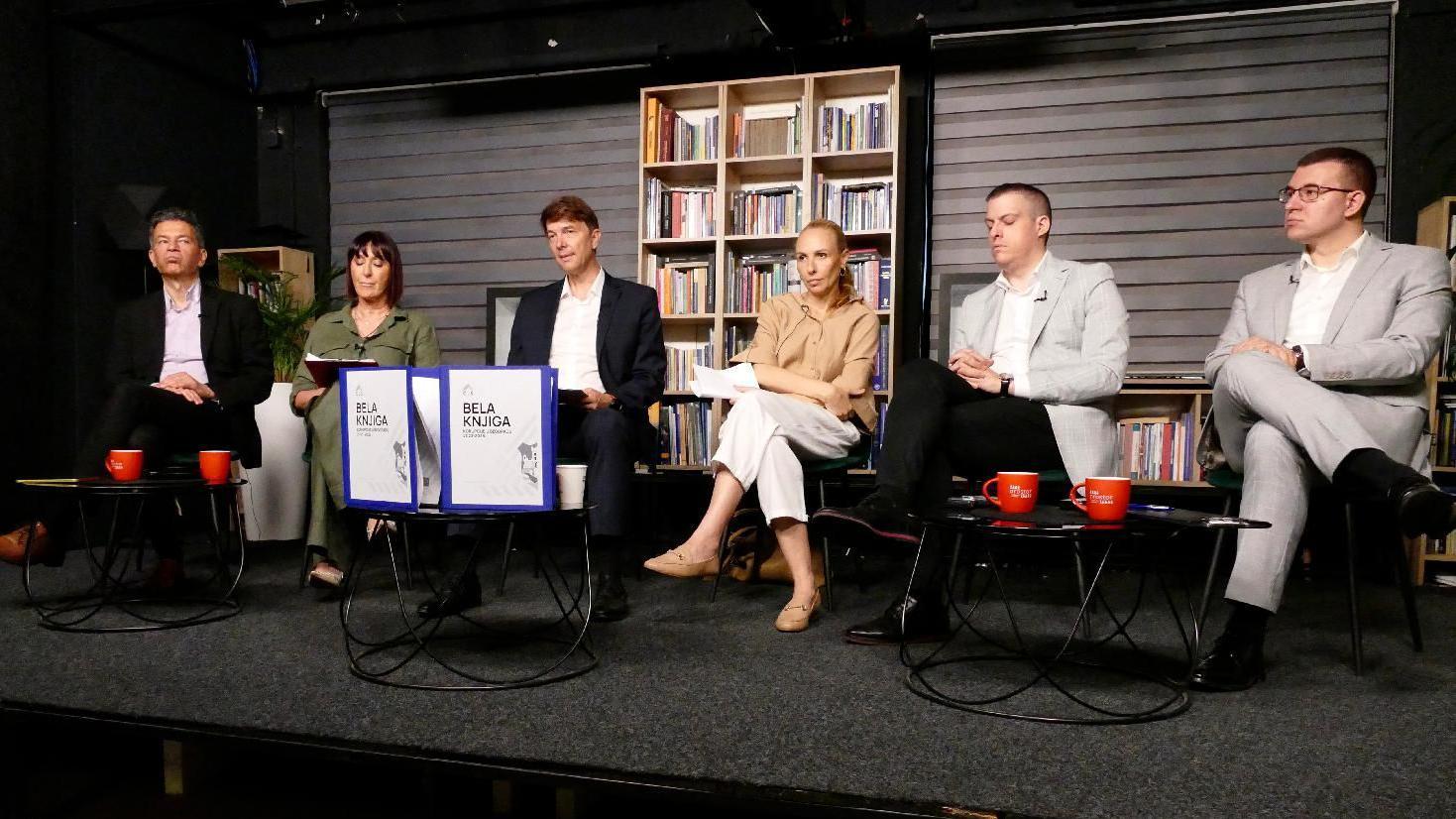
It is precisely through these works that “the easiest way to launder money obtained through corruption” is one of the messages from the presentation of the White Book of Corruption in Belgrade and the anti-corruption measures of the Center for Local Self-Government (CLS).
“Corruption is a tangible thing. When honest companies cannot compete and win the tender, they have to lay off workers and shut down the business.
“She is the cancer of our society.”
“Today we are witnessing metastases,” said Nikola Jovanović, director of CLS, at the presentation of the analysis on July 1 in Belgrade.
By eradicating corruption in the capital of Serbia, 140 million euros could be saved annually, is the conclusion of the CLS anti-corruption team.
This is the information they came to by analyzing subsidies of private carriers, investor urban planning and other disputed items in the period from 2023-2026.
“We started from Belgrade, because corruption is the biggest there, but the problems are similar in other cities,” Jovanović emphasized.
Budget of Belgrade for 2026. is about 205 billion dinars, and more than 190 billion are the city’s revenues.
Slightly more than 15 billion dinars is intended for municipalities.
Serbia is ranked 116th out of 182 positions in the world on the Corruption Perceptions Index and is the worst ranked of all the former Yugoslav republics, the organization announced. Transparency.
Through which channels is the most money extracted, and can and how can corruption be stopped?
Single-digit number of judgments
Money is most often extracted through public procurement, pointed out Vanja Bojović, a professor at the Faculty of Law in Belgrade at the presentation.
It is about legal regulated processes in which the state, public companies and institutions use public money to purchase goods, services or perform works by private companies.
“About 90 percent of public procurements have corrupt elements, but the number of verdicts for the criminal offense of violation of official position in Serbia on an annual level is in single digits,” she said.
Money is also extracted through public-private partnerships and state subsidies.
In recent years, as she pointed out, interstate agreements where certain projects are not subject to public control, such as the reconstruction of the canopy of the Railway station in Novi Sad, Expo and the construction of the subway in Belgrade, are becoming more common.
In the fall of the canopy in 2024, 16 people were killed, protests were organized throughout Serbia with the request to determine the responsibility for their deaths, but so far there is no legal epilogue.
According to the proposal of the Metro Law from 2021, the two metro lines, which are still being awaited, will cost six billion euros.
Key collaborators a Chinese company is working on the project Power Chinathe French Alston and Egis, and the Millennium team among domestic companies.
“You are bringing in your own companies to get work, you are putting this nation in debt, the public debt is growing, and only certain contractors and subcontractors benefit.”
“When you put private interest before public function, you should bear responsibility, and that doesn’t happen – here, affairs succeed one another without an epilogue,” pointed out Professor Bojović.
In the city, about 40 companies win almost every job, and one to two bidders apply for the tender, is the conclusion of this analysis.
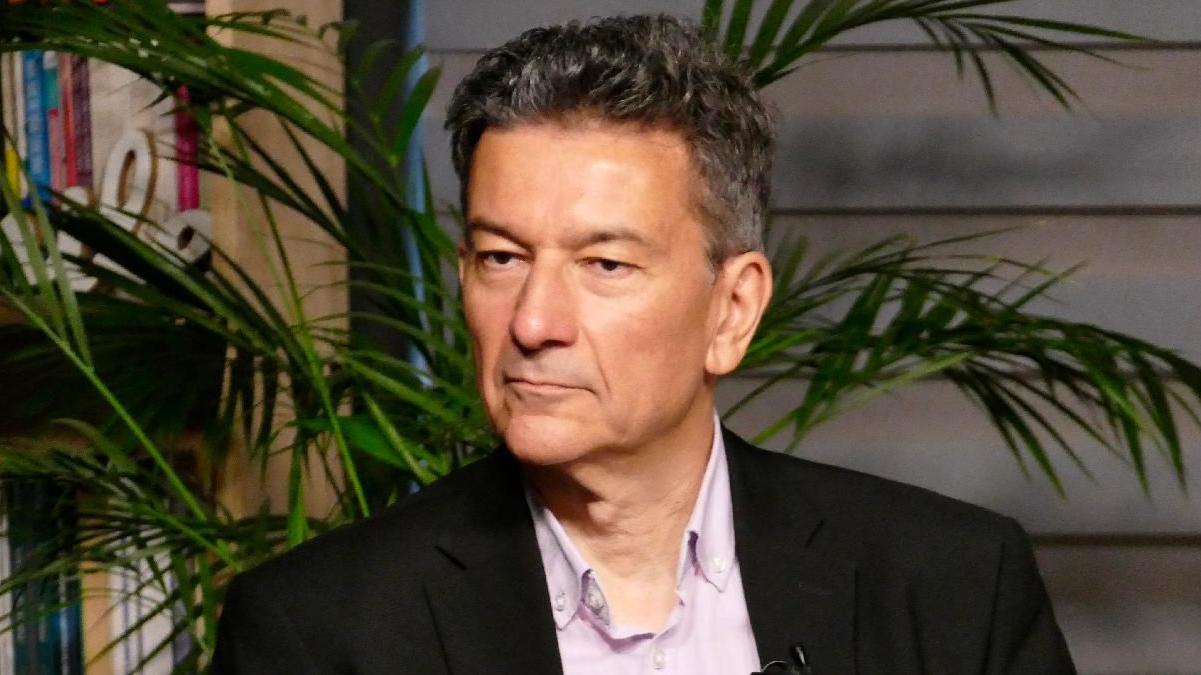
‘Politicians control private companies’
In the period from 2023 until now, Belgrade’s coffers have lost about one billion euros (about 117 billion dinars) due to corruption, according to the rough estimate of Dušan Pavlović, professor of contemporary political economy at the Faculty of Political Sciences.
About half a billion money was lost due to the negative performance of certain city companies, while the biggest loss, about 46.8 billion dinars, was due to missed or unpaid revenues.
“It could have been used to generate income and invest in certain public services, but it wasn’t,” pointed out Professor Pavlović.
Public procurements that were disputed from beginning to end, such as propaganda campaigns of public companies or information boards for public transportation, cost Belgrade about 40.3 billion dinars.
There were also good public procurements, but, as the FPN professor says, they were overpaid, and about 25.05 billion dinars were extracted through this surplus.
“This is only Belgrade, but it is structurally similar in other cities,” said Pavlović.
Unlike some countries where private companies control politicians and public administration and remain in business even when regimes change, in Serbia, as well as in some countries in the Balkans, the situation is reversed, he pointed out.
“Politicians extract money from city coffers through private companies.”
“Private companies that participate in public procurement are controlled, and sometimes politicians themselves participate in their establishment,” he added.
In what way could corruption be suppressed?
The creation of a special prosecution for high corruption, prosecutorial police, new competences for the State Audit Institution, the introduction of a new criminal offense of unjust enrichment, experts pointed out at the presentation of the White House.
They believe that the results would be seen already in the first months, if the government was responsible.
BBC is in Serbian from now on and on YouTube, follow us HERE.
Follow us on Facebook, Twitter, Instagram, YouTube and Viber. If you have a topic suggestion for us, please contact bbcnasrpskom@bbc.co.uk
Download the application and follow the news


FOLLOW US ON

News