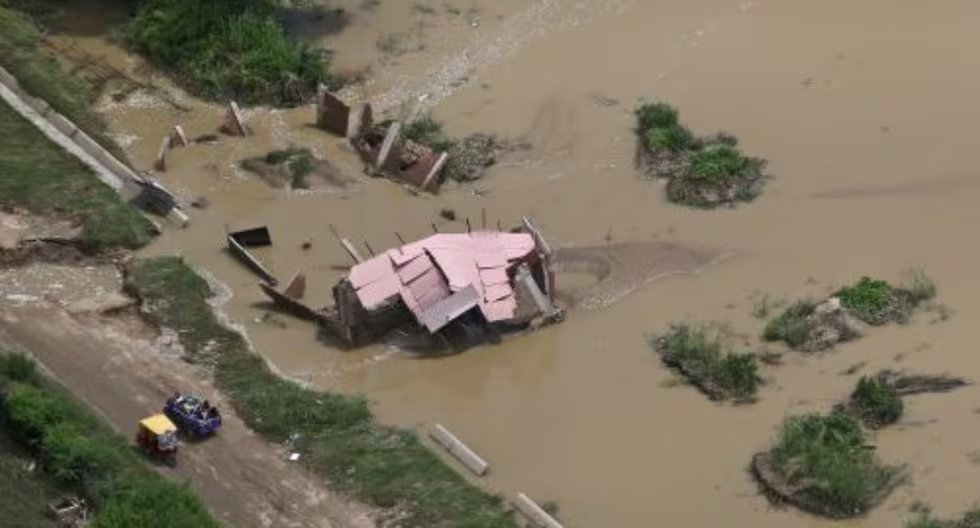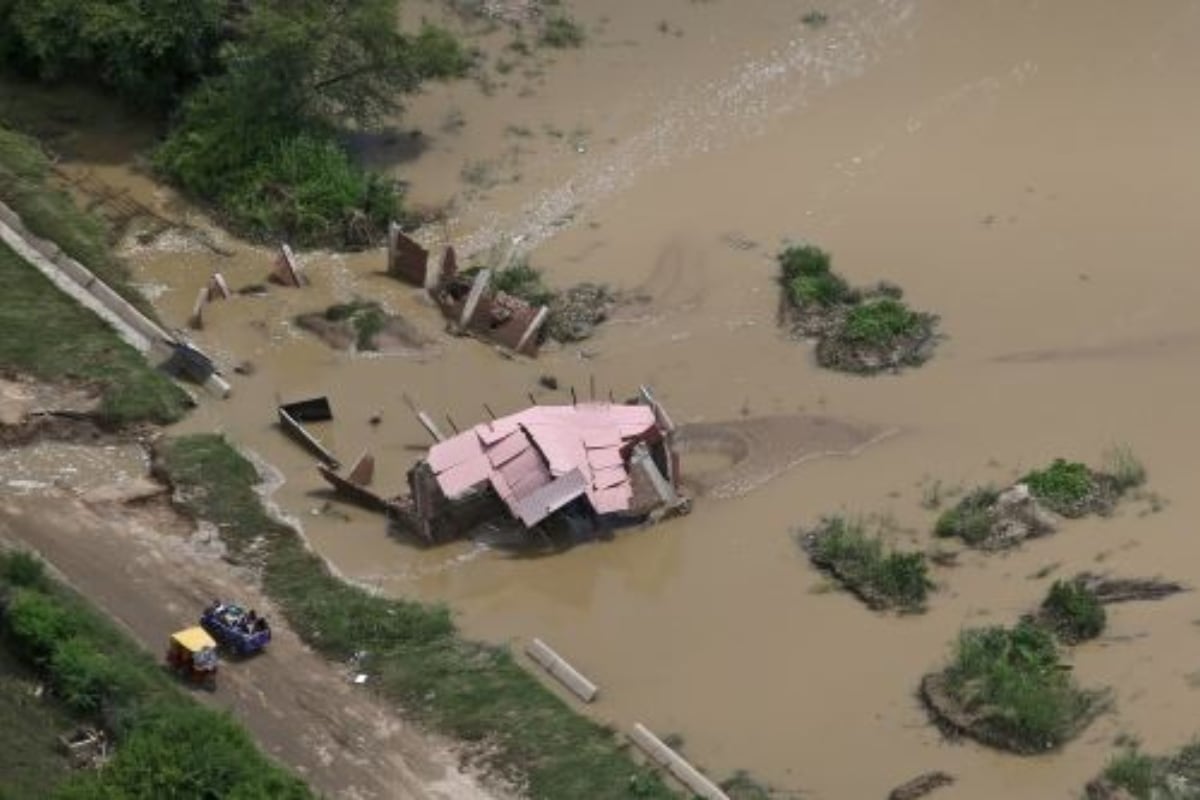
At this point it seems evident that one of the main problems that the next Keiko Fujimori government would face from the outset is the arrival of the El Niño phenomenon. According to the NOAA statement from two weeks ago, there is a 63% probability of a very strong El Niño during November-January for the central Pacific, which could be one of the largest events since 1950. Around the same time, Enfen indicated that the coastal El Niño has more than 40% probability of being of strong magnitude between the last quarter of this year and the first quarter of 2027. While the country was attentive to the electoral polls and the vote count, the maps of heat have worsened considerably.
At this point it seems evident that one of the main problems that the next Keiko Fujimori government would face from the outset is the arrival of the El Niño phenomenon. According to the NOAA statement from two weeks ago, there is a 63% probability of a very strong El Niño during November-January for the central Pacific, which could be one of the largest events since 1950. Around the same time, Enfen indicated that the coastal El Niño has more than 40% probability of being of strong magnitude between the last quarter of this year and the first quarter of 2027. While the country was attentive to the electoral polls and the vote count, the maps of heat have worsened considerably.
So far, the current government has not performed effectively in the required preparation. The investment for reducing vulnerability and responding to emergencies due to disasters barely reaches 20% of what was budgeted for the year. Projects worth tens of millions of soles, such as improving storm drainage in Tumbes, do not even reach 5%.
The next administration has an enormous challenge ahead that it must face together with the subnational authorities. In this regard, an additional difficulty will be the total change of mayors and governors almost simultaneously with the arrival of the heaviest rains. Resources should not be the problem – for now, there is enough money to address these emergencies – but rather the ability of a State with new leaders to organize itself around a gigantic challenge with an inflexible countdown. Last year, district and provincial municipalities stopped investing three out of every ten soles allocated. And by then they had already had three years of experience.
Recent history shows that coordination, support and technical assistance to local authorities is essential to have timely responses in the event of a disaster. Fuerza Popular’s government plan had some good ideas in this regard. For example, the Asiste Regional Program and the emphasis on subnational governments having interoperable digital systems are steps in the right direction. The question is whether there will be enough time to get them underway with a subnational election in between. Even so, the country has had almost a year of climate warnings regarding what could come: change of authorities or not, there should be no excuse for not being prepared this time.
Source link