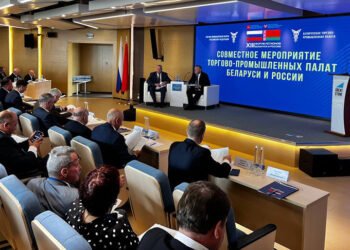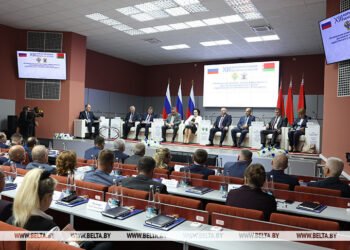

Photo courtesy of the press service of the Council of the Republic
According to Sergei Sarakach, cooperation between the two countries within UNESCO is a vital part of humanitarian ties, aimed at preserving historical memory and protecting cultural heritage sites. “Belarus and Russia coordinate their positions, advocating for the preservation of historical truth and opposing the politicization of international cultural institutions,” he said.
The deputy culture minister noted that their joint efforts resulted in the inclusion of the Brest Hero Fortress and Mamayev Kurgan memorial complexes in the UNESCO Tentative List. “This step symbolizes the preservation of historical memory and recognizes the global contribution of the peoples of the Soviet Union to the victory over Nazism,” Sergei Sarakach emphasized.
The preparation of the nomination materials was carried out over several years with the participation of Belarusian and Russian specialists, historians, and heritage protection experts. According to the deputy culture minister, restored and preserved cultural heritage sites become not only historical monuments but also major tourist centers that drive regional development and strengthen humanitarian ties between Belarus and Russia.
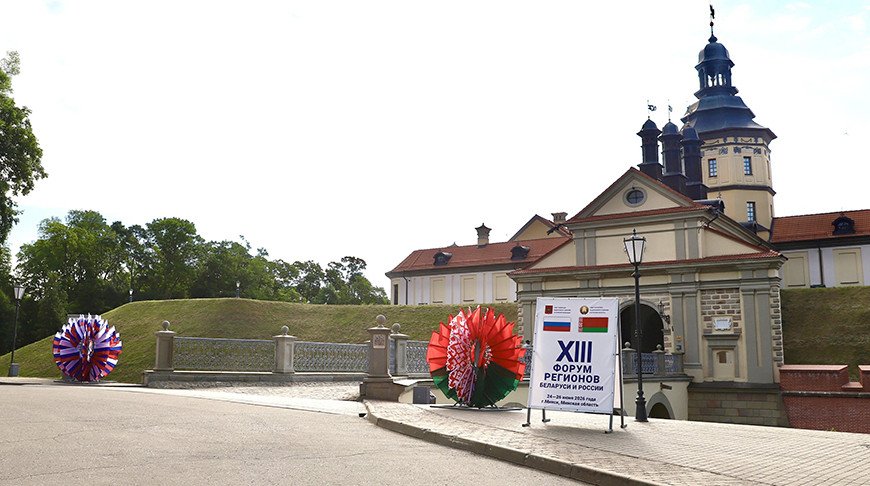
Over the recent decades, Belarus has restored hundreds of historical and cultural heritage sites. These include Mir and Nesvizh castles, palace and park ensembles, theaters, and religious landmarks, which are now among the country’s top tourist destinations.


 Photos by BelTA, press service of the Council of the Republic