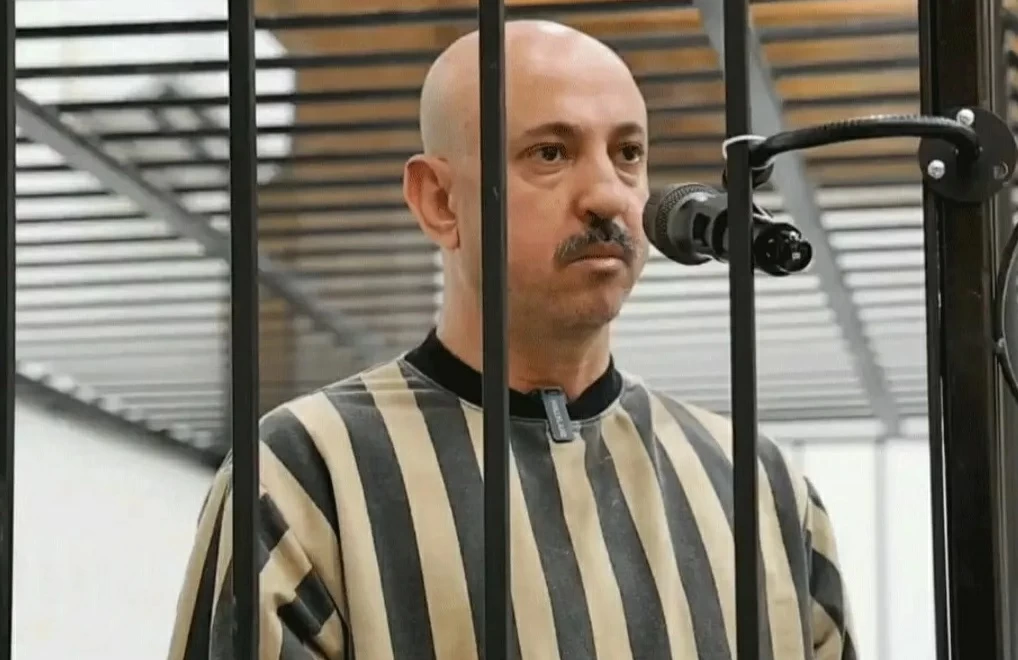
Today (Wednesday), a Syrian court held its first session to try Wassim al-Assad, the cousin of former President Bashar al-Assad, on charges of incitement and leading armed elements. The indictment stated that Waseem al-Assad formed two armed groups in early 2011, based on the assignment of Brigadier General Ghayath Dala, one of the leaders of the Fourth Division of the former regime led by Maher al-Assad. He supervised these groups, which included about 30 fighters, and was responsible for securing weapons, ammunition, financing, and logistical support for them.
The list also accused Waseem of publicly inciting violence through statements, video clips, and publications on social media, and of encouraging fighting against opposition civilians and describing them as “terrorists,” in addition to exploiting his influence derived from his affiliation to the Assad family to commit acts of robbery and violence on the Syrian coast.
Waseem al-Assad denied his direct responsibility for those groups, stressing that they were affiliated with a person named Jamal Hassan, and that his role was limited to communicating between the latter and Ghayath Dala after requesting to search for people capable of forming armed groups in exchange for financial sums. The trial took place, but the live broadcast was later stopped as part of measures to protect witnesses, the confidentiality of testimonies, and the safety of participants in the case.
The prosecution charged Waseem with running an organized activity for smuggling and trafficking in narcotic substances inside and outside Syria over a period of years, in addition to exploiting influence to blackmail civilians and obtain sums of money in exchange for mediating with the security and military services or facilitating the release of detainees.
Wassim was accused of killing a civilian in the city of Jaramana as a result of gunfire by one of his affiliated groups, as well as direct or indirect participation in military operations that led to massacres in and around Mleiha, including an attack that occurred on January 2, 2013, which led to the death of dozens of civilians. The head of the Criminal Court in Damascus, Judge Fakhr al-Din al-Arian, said that the groups supervised by the accused participated in military operations that targeted areas in Eastern Ghouta, including al-Maliha, and contributed to establishing control over areas subjected to artillery and air bombardment, indicating that these groups participated in large-scale operations against populated civilian areas that resulted in the death of large numbers of civilians.
The judge considered that the actions attributed to the accused fall within a widespread and systematic attack that targeted the civilian population during the Syrian conflict, which may amount to crimes against humanity and war crimes under the Rome Statute of the International Criminal Court and the Geneva Conventions, stressing that these crimes do not have a statute of limitations, and are not covered by the amnesty. He pointed out that the incidents attributed to Wassim al-Assad constitute crimes punishable by the Syrian Penal Code, including premeditated murder, incitement to murder, incitement of civil war and sectarian fighting, in addition to smuggling and trafficking in narcotic substances.
It is noteworthy that the Syrian security forces arrested Wassim al-Assad, the cousin of former President Bashar al-Assad, in June 2025, and his name emerged during the first years of the Syrian revolution as one of the most prominent leaders of the militias affiliated with the former regime’s army. He played a direct role in consolidating the regime’s grip on many Syrian regions through intimidation and repression. He also established local militias under the name “Military Security Shield,” which was later known as “Assad’s Shield,” and carried out large-scale arrests and repression, targeting Civilian activists and protesters, and its name has been linked to incidents of murder, kidnapping, extortion and theft, in addition to its military participation with the forces of the former regime in its war against the Syrian people in several governorates.
A Syrian court held its first session today (Wednesday) to trial Waseem al-Assad, the cousin of former President Bashar al-Assad, on charges of incitement and leading armed groups. The indictment stated that Waseem al-Assad formed two armed groups at the beginning of 2011, based on a commission from Brigadier General Ghiyath Dalaa, one of the leaders of the Fourth Division of the former regime led by Maher al-Assad, and oversaw these two groups, which included about 30 fighters, taking responsibility for securing weapons, ammunition, funding, and logistical support for them.
The indictment also accused Waseem of publicly inciting violence through statements, video clips, and posts on social media, encouraging fighting against opposing civilians and labeling them as “terrorists,” in addition to exploiting his influence derived from his affiliation with the Assad family to commit acts of looting and violence in the Syrian coast.
Waseem al-Assad denied direct responsibility for those groups, asserting that they were under the command of a person named Jamal Hassan, and that his role was limited to communication between the latter and Ghiyath Dalaa after a request to find individuals capable of forming armed groups in exchange for financial amounts. The trial took place, but the live broadcast was later stopped as part of measures to protect witnesses, maintain the confidentiality of testimonies, and ensure the safety of participants in the case.
The prosecution charged Waseem with managing an organized activity for smuggling and trafficking narcotic substances inside and outside Syria over the years, in addition to exploiting influence to extort civilians and obtain financial amounts in exchange for mediating with security and military agencies or facilitating the release of detainees.
Waseem was accused of killing a civilian in the city of Jaramana as a result of gunfire from one of the groups under his command, as well as direct or indirect participation in military operations that led to massacres in Al-Malihah and its surroundings, including an attack that occurred on January 2, 2013, resulting in the deaths of dozens of civilians. The head of the Criminal Court in Damascus, Judge Fakhr al-Din al-Aryan, stated that the groups overseen by the accused participated in military operations targeting areas in Eastern Ghouta, including al-Malihah, and contributed to consolidating control over areas subjected to artillery and aerial bombardment, indicating that these groups participated in extensive operations against populated civilian areas that resulted in a large number of casual civilian ties.
The judge considered that the actions attributed to the accused fall within a widespread and systematic attack targeting civilian populations during the Syrian conflict, which may amount to crimes against humanity and war crimes under the Rome Statute of the International Criminal Court and the Geneva Conventions, affirming that these crimes are not subject to a statute of limitations and are not covered by amnesty. He pointed out that the facts attributed to Waseem al-Assad constitute crimes punishable under the Syrian Penal Code, including premeditated murder, incitement to murder, stirring civil war and sectarian fighting, in addition to smuggling and trafficking narcotic substances.
It is worth noting that Syrian security forces arrested Waseem al-Assad, the cousin of former President Bashar al-Assad, in June 2025, and his name emerged during the early years of the Syrian revolution as one of the prominent leaders of the militias allied with the former regime’s army, as he played a direct role in consolidating the regime’s grip on many Syrian areas through intimidation and repression. He also established local militias under the name “Military Security Shield,” which later became known as “Assad’s Shield,” and carried out widespread arrests and repression, targeting civil activists and protesters, with his name associated with incidents of killing, kidnapping, extortion, and theft, in addition to his military participation with the former regime’s forces in their war against the Syrian people in several provinces.