Friday, June 26, 2026
    The GeoStrategic Consensus
    No Result
    View All Result
    • Login
    • HOME
    • AMERICAS
      • Argentina
      • Brazil
      • Canada
      • Chile
      • Colombia
      • Costa Rica
      • Cuba
      • Dominican Republic
      • Ecuador
      • El Salvador
      • Greenland
      • Guatemala
      • Honduras
      • Mexico
      • Nicaragua
      • Panama
      • Paraguay
      • Peru
      • United States
      • Uruguay
      • Venezuela
    • ASIA-PACIFIC
      • Australia
      • Brunei Darussalam
      • Cambodia
      • China
      • Federated States of Micronesia
      • Fiji
      • Indonesia
      • Japan
      • Kiribati
      • Laos
      • Malaysia
      • Marshall Islands
      • Mongolia
      • Myanmar
      • Nauru
      • New Zealand
      • North Korea
      • Palau
      • Papua New Guinea
      • Philippines
      • Samoa
      • Singapore
      • Solomon Islands
      • South Korea
      • Taiwan
      • Thailand
      • Timor-Leste
      • Tonga
      • Tuvalu
      • Vanuatu
      • Vietnam
    • CARICOM
      • CARICOM – Non-English
        • Haiti
        • Suriname
      • CARICOM Associates
        • Anguilla
        • Bermuda
        • British-Virgin-Islands
        • Cayman-Islands
        • Curacao
        • Turks-and-Caicos
      • CARICOM English
        • Antigua and Barbuda
        • Barbados
        • Belize
        • Dominica
        • Grenada
        • Guyana
        • Jamaica
        • Montserrat
        • Saint Kitts and Nevis
        • Saint Lucia
        • Saint Vincent and the Grenadines
        • The Bahamas
        • Trinidad and Tobago
    • EURASIA
      • Armenia
      • Azerbaijan
      • Balarus
      • Georgia
      • Kazakhstan
      • Kyrgyzstan
      • Moldova
      • Russia
      • Tajikistan
      • Turkmenistan
      • Ukraine
      • Uzbekistan
    • EUROPE
      • Albania
      • Andorra
      • Austria
      • Bosnia and Herzegovina
      • Bulgaria
      • Croatia
      • Cyprus
      • Czech Republic
      • Denmark
      • Estonia
      • Finland
      • France
      • Germany
      • Greece
      • Holy See
      • Hungary
      • Iceland
      • Ireland
      • Italy
      • Kosovo
      • Latvia
      • Liechtenstein
      • Lithuania
      • Luxembourg
      • Malta
      • Monaco
      • Montenegro
      • Netherlands
      • North Macedonia
      • Norway
      • Poland
      • Portugal
      • Romania
      • San Marino
      • Serbia
      • Slovakia
      • Slovenia
      • Spain
      • Sweden
      • Switzerland
      • United Kingdom
    • MIDDLE EAST AND NORTH AFRICA
      • Algeria
      • Bahrain
      • Egypt
      • Iran
      • Iraq
      • Israel
      • Jordan
      • Kuwait
      • Lebanon
      • Lybia
      • Morocco
      • Oman
      • Palestinian Territories
      • Qatar
      • Saudi Arabia
      • Syria
      • Tunisia
      • Turkey
      • United Arab Emirates
      • Western Sahara
      • Yemen
    • SOUTH ASIA
      • Afghanistan
      • Bangladesh
      • Bhutan
      • India
      • Maldives
      • Nepal
      • Pakistan
      • Sri Lanka
    • SUB-SAHARAN AFRICA
      • Angola
      • Benin
      • Botswana
      • Burkina Faso
      • Burundi
      • Cabo Verde
      • Cameroon
      • Central African Republic
      • Chad
      • Comoros
      • Cote d’Ivoire
      • Democratic Republic of the Congo
      • Djibouti
      • Equatorial Guinea
      • Eritrea
      • Eswatini
      • Ethiopia
      • Gabon
      • Gambia
      • Ghana
      • Guinea
      • Guinea Bissau
      • Kenya
      • Lesotho
      • Liberia
      • Madagascar
      • Malawi
      • Mali
      • Mauritania
      • Mauritius
      • Mozambique
      • Namibia
      • Niger
      • Nigeria
      • Republic of the Congo
      • Rwanda
      • Sao Tome and Principe
      • Senegal
      • Seychelles
      • Sierra Leone
      • Somalia
      • South Africa
      • South Sudan
      • Sudan
      • Tanzania
      • Togo
      • Uganda
      • Zambia
      • Zimbabwe
    • HOME
    • AMERICAS
      • Argentina
      • Brazil
      • Canada
      • Chile
      • Colombia
      • Costa Rica
      • Cuba
      • Dominican Republic
      • Ecuador
      • El Salvador
      • Greenland
      • Guatemala
      • Honduras
      • Mexico
      • Nicaragua
      • Panama
      • Paraguay
      • Peru
      • United States
      • Uruguay
      • Venezuela
    • ASIA-PACIFIC
      • Australia
      • Brunei Darussalam
      • Cambodia
      • China
      • Federated States of Micronesia
      • Fiji
      • Indonesia
      • Japan
      • Kiribati
      • Laos
      • Malaysia
      • Marshall Islands
      • Mongolia
      • Myanmar
      • Nauru
      • New Zealand
      • North Korea
      • Palau
      • Papua New Guinea
      • Philippines
      • Samoa
      • Singapore
      • Solomon Islands
      • South Korea
      • Taiwan
      • Thailand
      • Timor-Leste
      • Tonga
      • Tuvalu
      • Vanuatu
      • Vietnam
    • CARICOM
      • CARICOM – Non-English
        • Haiti
        • Suriname
      • CARICOM Associates
        • Anguilla
        • Bermuda
        • British-Virgin-Islands
        • Cayman-Islands
        • Curacao
        • Turks-and-Caicos
      • CARICOM English
        • Antigua and Barbuda
        • Barbados
        • Belize
        • Dominica
        • Grenada
        • Guyana
        • Jamaica
        • Montserrat
        • Saint Kitts and Nevis
        • Saint Lucia
        • Saint Vincent and the Grenadines
        • The Bahamas
        • Trinidad and Tobago
    • EURASIA
      • Armenia
      • Azerbaijan
      • Balarus
      • Georgia
      • Kazakhstan
      • Kyrgyzstan
      • Moldova
      • Russia
      • Tajikistan
      • Turkmenistan
      • Ukraine
      • Uzbekistan
    • EUROPE
      • Albania
      • Andorra
      • Austria
      • Bosnia and Herzegovina
      • Bulgaria
      • Croatia
      • Cyprus
      • Czech Republic
      • Denmark
      • Estonia
      • Finland
      • France
      • Germany
      • Greece
      • Holy See
      • Hungary
      • Iceland
      • Ireland
      • Italy
      • Kosovo
      • Latvia
      • Liechtenstein
      • Lithuania
      • Luxembourg
      • Malta
      • Monaco
      • Montenegro
      • Netherlands
      • North Macedonia
      • Norway
      • Poland
      • Portugal
      • Romania
      • San Marino
      • Serbia
      • Slovakia
      • Slovenia
      • Spain
      • Sweden
      • Switzerland
      • United Kingdom
    • MIDDLE EAST AND NORTH AFRICA
      • Algeria
      • Bahrain
      • Egypt
      • Iran
      • Iraq
      • Israel
      • Jordan
      • Kuwait
      • Lebanon
      • Lybia
      • Morocco
      • Oman
      • Palestinian Territories
      • Qatar
      • Saudi Arabia
      • Syria
      • Tunisia
      • Turkey
      • United Arab Emirates
      • Western Sahara
      • Yemen
    • SOUTH ASIA
      • Afghanistan
      • Bangladesh
      • Bhutan
      • India
      • Maldives
      • Nepal
      • Pakistan
      • Sri Lanka
    • SUB-SAHARAN AFRICA
      • Angola
      • Benin
      • Botswana
      • Burkina Faso
      • Burundi
      • Cabo Verde
      • Cameroon
      • Central African Republic
      • Chad
      • Comoros
      • Cote d’Ivoire
      • Democratic Republic of the Congo
      • Djibouti
      • Equatorial Guinea
      • Eritrea
      • Eswatini
      • Ethiopia
      • Gabon
      • Gambia
      • Ghana
      • Guinea
      • Guinea Bissau
      • Kenya
      • Lesotho
      • Liberia
      • Madagascar
      • Malawi
      • Mali
      • Mauritania
      • Mauritius
      • Mozambique
      • Namibia
      • Niger
      • Nigeria
      • Republic of the Congo
      • Rwanda
      • Sao Tome and Principe
      • Senegal
      • Seychelles
      • Sierra Leone
      • Somalia
      • South Africa
      • South Sudan
      • Sudan
      • Tanzania
      • Togo
      • Uganda
      • Zambia
      • Zimbabwe
    No Result
    View All Result
    Agentially
    No Result
    View All Result
    Home ASIA-PACIFIC China

    A new age of monetary multipolarity – Opinion

    The Analyst by The Analyst
    June 26, 2026
    in China
    A new age of monetary multipolarity – Opinion


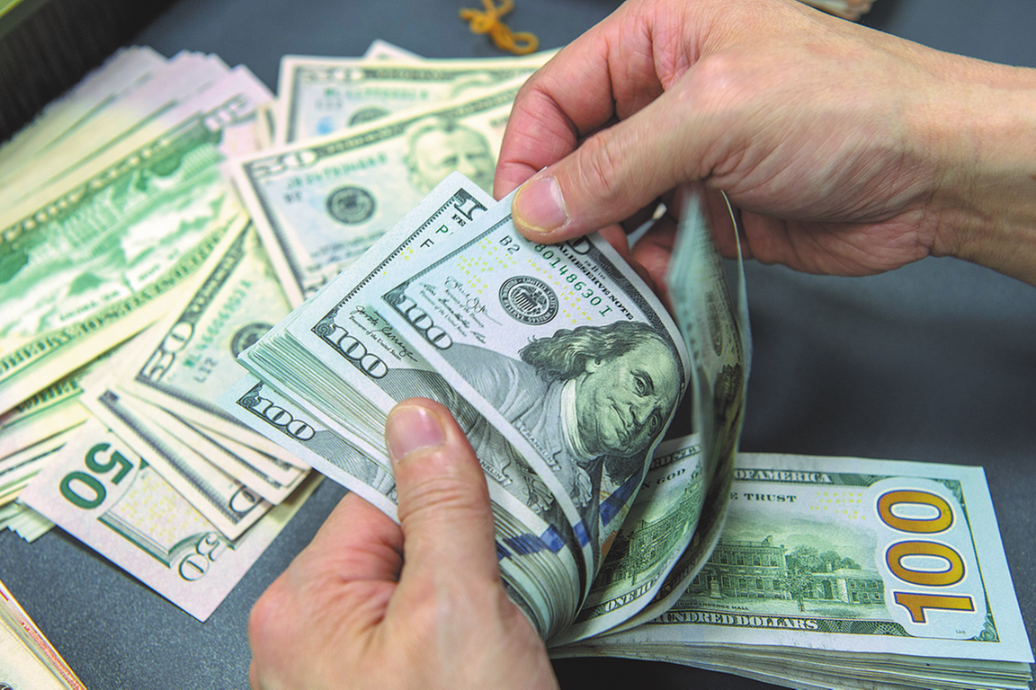
    A close view of an employee counting US dollars at a bank in Hai”an, Jiangsu province. XU JINGBAI/FOR CHINA DAILY

    The international monetary system may be approaching one of its most significant transformations since the collapse of the Bretton Woods framework in 1971.

    READ ALSO

    Moving AI innovation from laboratories to factory floors – Opinion

    Japan’s meddling in Taiwan – Chinadaily.com.cn

    Recent data from the European Central Bank show that at the end of 2025, gold accounted for approximately 27 percent of global central bank reserve assets, surpassing the share of United States Treasury securities, which fell to 22 percent.

    While the US dollar remains the dominant reserve currency, this is a historic shift in reserve-management behavior and reflects bigger changes in the geopolitical and financial landscape.

    The rise of gold is not merely a response to market conditions. It reflects a fundamental reassessment by central banks of what constitutes a truly safe reserve asset in an increasingly fragmented world.

    For decades, US Treasury securities held a unique position in global finance, offering liquidity, scale, political stability, and the backing of the world’s largest economy. Central banks accumulated US Treasuries not only because of their financial characteristics but also because the international monetary order was centered on the US and the dollar.

    That assumption has begun to weaken.

    The first major driver behind the resurgence of gold is geopolitical risk. The freezing of approximately $300 billion of Russian sovereign reserves in 2022 marked a turning point in the thinking of many central banks.

    Regardless of views on the conflict itself, the event demonstrated that reserve assets held within the Western financial system could be subject to political decisions.

    As a result, policymakers in many countries are questioning whether foreign sovereign debt can still be regarded as completely risk-free.

    Gold offers a unique alternative. Unlike government bonds, gold carries no counterparty risk.

    It is not a promise to pay; it is payment itself. It cannot be frozen electronically, canceled by sanctions, or devalued through the fiscal decisions of another government.

    At a time when geopolitical tensions are growing, these qualities have gained greater importance.

    The second driver is the concern about the long-term trajectory of US public finances. Federal debt has exceeded $36 trillion and continues to grow faster than the economy. While the US retains exceptional economic strengths, the sheer scale of its fiscal obligations has prompted reserve managers to question the long-term purchasing power of dollar-denominated assets.

    Historically, US Treasuries were considered almost risk-free due to minimal default risk.

    However, inflation risk has gained significance today. Central banks are increasingly recognizing that large fiscal deficits, especially when paired with monetary expansion during crises, can diminish the real value of fixed-income assets over time.

    In contrast, gold has long been seen as a safeguard against monetary debasement and inflation. The recent sharp rise in gold prices has solidified this view and made it more appealing as a reserve asset.

    A third factor is the accelerating trend toward reserve diversification.

    Central banks are not abandoning the dollar. In fact, dollar-denominated assets still account for more than 40 percent of global reserves. What is changing is the composition of incremental reserve accumulation.

    Rather than channeling all new reserves into dollars and US Treasuries, many countries are pursuing a more balanced strategy.

    Gold has become the preferred diversification instrument because it is universally recognized, highly liquid, and politically neutral.

    This pattern is especially evident among emerging economies.

    Countries such as China, India, Turkiye, and several Gulf states have consistently increased their gold reserves in recent years. Poland has also become one of the world’s most active purchasers.

    While their reasons vary, these nations share a common goal: to lessen reliance on any single reserve asset or financial system.

    The scale of central bank gold purchases demonstrates the extent of this shift. From 2022 to 2024, official-sector gold acquisitions surpassed 1,000 tons each year, a level unseen in recent financial history. Even in 2025, despite record-high prices, central banks bought over 863 tons of gold.

    This persistent demand has reshaped the global gold market and has played a major role in driving up prices.

    Another key factor is the rise of a more multipolar global economy. The share of global output from emerging markets continues to grow, and trade among developing countries is accelerating.

    As economic influence spreads out, reserve management strategies tend to diversify accordingly.

    In this setting, gold serves as a neutral asset not affiliated with any geopolitical group. It can serve as collateral, a store of value, and a reserve tool, independent of political ties. This neutrality is gaining appeal as the global economy becomes more fragmented.

    The implications of this change are significant. Gold’s growing role in reserve portfolios doesn’t mean the dollar will soon collapse. The dollar still plays a crucial role in global trade, finance, and capital markets. Currently, no other currency has the liquidity, institutional strength, and network effects needed to replace it.

    However, the reserve hierarchy is changing. For the first time in decades, central banks are signaling that safety can no longer be defined solely by liquidity and yield.

    Political neutrality, sovereign control, and resilience to geopolitical shocks are equally important considerations.

    Gold’s return to prominence, therefore, reflects more than a change in portfolio allocation.

    It represents a broader redefinition of financial security in the 21st century.

    The world is increasingly seeking insurance against a future in which economic and geopolitical uncertainty becomes a permanent feature of the global landscape.

    In that sense, gold’s rise above US Treasuries is not merely a market event.

    It is a signal that the architecture of the international monetary system is gradually evolving toward a more diversified and multipolar future.

    The author is a former prime minister of the Kyrgyz Republic.

    The views don’t necessarily reflect those of China Daily.

    If you have a specific expertise, or would like to share your thought about our stories, then send us your writings at opinion@chinadaily.com.cn, and comment@chinadaily.com.cn.



    Source link

    Related Posts

    Moving AI innovation from laboratories to factory floors – Opinion
    China

    Moving AI innovation from laboratories to factory floors – Opinion

    June 25, 2026
    Japan’s meddling in Taiwan – Chinadaily.com.cn
    China

    Japan’s meddling in Taiwan – Chinadaily.com.cn

    June 25, 2026
    China

    Heihe dance competition opens with China-Russia friendship matches

    June 25, 2026
    China

    From ‘digital pickles’ to an entertainment giant

    June 25, 2026
    Supply chains’ intl integration hailed as key
    China

    Supply chains’ intl integration hailed as key

    June 25, 2026
    Summer Davos spotlight falls on host city Dalian’s economic rise
    China

    Summer Davos spotlight falls on host city Dalian’s economic rise

    June 25, 2026
    Next Post
    CLMO cancels Lenakel Town area green certificate

    CLMO cancels Lenakel Town area green certificate

    POPULAR NEWS

    A stronger Union for the Mediterranean for a stronger Mediterranean

    A stronger Union for the Mediterranean for a stronger Mediterranean

    June 26, 2026
    Tourists fill Tallinn’s Old Town as locals head out of city | News

    Tourists fill Tallinn’s Old Town as locals head out of city | News

    June 25, 2026
    N.W.T. Fire reports ‘serious incident’ involving wildfire plane near Fort Simpson

    N.W.T. Fire reports ‘serious incident’ involving wildfire plane near Fort Simpson

    June 25, 2026
    Repelling drone attacks and reserves for mutual assistance: Shoigu’s statements – Russian Politics & Diplomacy

    Repelling drone attacks and reserves for mutual assistance: Shoigu’s statements – Russian Politics & Diplomacy

    June 25, 2026
    Slobodna Dalmacija – French automotive giant with partners enters the military industry, will produce combat drones/wandering ammunition!

    Slobodna Dalmacija – French automotive giant with partners enters the military industry, will produce combat drones/wandering ammunition!

    June 26, 2026

    EDITOR'S PICK

    Secretary of Foreign Affairs Receives Governor of Kosrae State – FSM Government

    Secretary of Foreign Affairs Receives Governor of Kosrae State – FSM Government

    June 25, 2026
    Electrical crisis in Venezuela: the recipe to reactivate the sector

    Electrical crisis in Venezuela: the recipe to reactivate the sector

    June 25, 2026
    2.2 billion riyals to expand the electricity network in the western region

    2.2 billion riyals to expand the electricity network in the western region

    June 25, 2026
    World Cup 2026 – KOHA.net

    World Cup 2026 – KOHA.net

    June 25, 2026

    Recent Posts

    • Slobodna Dalmacija – French automotive giant with partners enters the military industry, will produce combat drones/wandering ammunition!
    • Ymeri says he is being lynched just because he asked questions about American gas
    • Vukotić: I was told that I would be acquitted if I accused Koprivica
    • Three colors of lies

      © 2026 Agentially - Navigating shifting sovereignties and global risk .

      Welcome Back!

      Login to your account below

      Forgotten Password?

      Retrieve your password

      Please enter your username or email address to reset your password.

      Log In
      No Result
      View All Result

        © 2026 Agentially - Navigating shifting sovereignties and global risk .

        This website uses cookies. By continuing to use this website you are giving consent to cookies being used. Visit our Privacy and Cookie Policy.