Wednesday, June 24, 2026
    The GeoStrategic Consensus
    No Result
    View All Result
    • Login
    • HOME
    • AMERICAS
      • Argentina
      • Brazil
      • Canada
      • Chile
      • Colombia
      • Costa Rica
      • Cuba
      • Dominican Republic
      • Ecuador
      • El Salvador
      • Greenland
      • Guatemala
      • Honduras
      • Mexico
      • Nicaragua
      • Panama
      • Paraguay
      • Peru
      • United States
      • Uruguay
      • Venezuela
    • ASIA-PACIFIC
      • Australia
      • Brunei Darussalam
      • Cambodia
      • China
      • Federated States of Micronesia
      • Fiji
      • Indonesia
      • Japan
      • Kiribati
      • Laos
      • Malaysia
      • Marshall Islands
      • Mongolia
      • Myanmar
      • Nauru
      • New Zealand
      • North Korea
      • Palau
      • Papua New Guinea
      • Philippines
      • Samoa
      • Singapore
      • Solomon Islands
      • South Korea
      • Taiwan
      • Thailand
      • Timor-Leste
      • Tonga
      • Tuvalu
      • Vanuatu
      • Vietnam
    • CARICOM
      • CARICOM – Non-English
        • Haiti
        • Suriname
      • CARICOM Associates
        • Anguilla
        • Bermuda
        • British-Virgin-Islands
        • Cayman-Islands
        • Curacao
        • Turks-and-Caicos
      • CARICOM English
        • Antigua and Barbuda
        • Barbados
        • Belize
        • Dominica
        • Grenada
        • Guyana
        • Jamaica
        • Montserrat
        • Saint Kitts and Nevis
        • Saint Lucia
        • Saint Vincent and the Grenadines
        • The Bahamas
        • Trinidad and Tobago
    • EURASIA
      • Armenia
      • Azerbaijan
      • Balarus
      • Georgia
      • Kazakhstan
      • Kyrgyzstan
      • Moldova
      • Russia
      • Tajikistan
      • Turkmenistan
      • Ukraine
      • Uzbekistan
    • EUROPE
      • Albania
      • Andorra
      • Austria
      • Bosnia and Herzegovina
      • Bulgaria
      • Croatia
      • Cyprus
      • Czech Republic
      • Denmark
      • Estonia
      • Finland
      • France
      • Germany
      • Greece
      • Holy See
      • Hungary
      • Iceland
      • Ireland
      • Italy
      • Kosovo
      • Latvia
      • Liechtenstein
      • Lithuania
      • Luxembourg
      • Malta
      • Monaco
      • Montenegro
      • Netherlands
      • North Macedonia
      • Norway
      • Poland
      • Portugal
      • Romania
      • San Marino
      • Serbia
      • Slovakia
      • Slovenia
      • Spain
      • Sweden
      • Switzerland
      • United Kingdom
    • MIDDLE EAST AND NORTH AFRICA
      • Algeria
      • Bahrain
      • Egypt
      • Iran
      • Iraq
      • Israel
      • Jordan
      • Kuwait
      • Lebanon
      • Lybia
      • Morocco
      • Oman
      • Palestinian Territories
      • Qatar
      • Saudi Arabia
      • Syria
      • Tunisia
      • Turkey
      • United Arab Emirates
      • Western Sahara
      • Yemen
    • SOUTH ASIA
      • Afghanistan
      • Bangladesh
      • Bhutan
      • India
      • Maldives
      • Nepal
      • Pakistan
      • Sri Lanka
    • SUB-SAHARAN AFRICA
      • Angola
      • Benin
      • Botswana
      • Burkina Faso
      • Burundi
      • Cabo Verde
      • Cameroon
      • Central African Republic
      • Chad
      • Comoros
      • Cote d’Ivoire
      • Democratic Republic of the Congo
      • Djibouti
      • Equatorial Guinea
      • Eritrea
      • Eswatini
      • Ethiopia
      • Gabon
      • Gambia
      • Ghana
      • Guinea
      • Guinea Bissau
      • Kenya
      • Lesotho
      • Liberia
      • Madagascar
      • Malawi
      • Mali
      • Mauritania
      • Mauritius
      • Mozambique
      • Namibia
      • Niger
      • Nigeria
      • Republic of the Congo
      • Rwanda
      • Sao Tome and Principe
      • Senegal
      • Seychelles
      • Sierra Leone
      • Somalia
      • South Africa
      • South Sudan
      • Sudan
      • Tanzania
      • Togo
      • Uganda
      • Zambia
      • Zimbabwe
    • HOME
    • AMERICAS
      • Argentina
      • Brazil
      • Canada
      • Chile
      • Colombia
      • Costa Rica
      • Cuba
      • Dominican Republic
      • Ecuador
      • El Salvador
      • Greenland
      • Guatemala
      • Honduras
      • Mexico
      • Nicaragua
      • Panama
      • Paraguay
      • Peru
      • United States
      • Uruguay
      • Venezuela
    • ASIA-PACIFIC
      • Australia
      • Brunei Darussalam
      • Cambodia
      • China
      • Federated States of Micronesia
      • Fiji
      • Indonesia
      • Japan
      • Kiribati
      • Laos
      • Malaysia
      • Marshall Islands
      • Mongolia
      • Myanmar
      • Nauru
      • New Zealand
      • North Korea
      • Palau
      • Papua New Guinea
      • Philippines
      • Samoa
      • Singapore
      • Solomon Islands
      • South Korea
      • Taiwan
      • Thailand
      • Timor-Leste
      • Tonga
      • Tuvalu
      • Vanuatu
      • Vietnam
    • CARICOM
      • CARICOM – Non-English
        • Haiti
        • Suriname
      • CARICOM Associates
        • Anguilla
        • Bermuda
        • British-Virgin-Islands
        • Cayman-Islands
        • Curacao
        • Turks-and-Caicos
      • CARICOM English
        • Antigua and Barbuda
        • Barbados
        • Belize
        • Dominica
        • Grenada
        • Guyana
        • Jamaica
        • Montserrat
        • Saint Kitts and Nevis
        • Saint Lucia
        • Saint Vincent and the Grenadines
        • The Bahamas
        • Trinidad and Tobago
    • EURASIA
      • Armenia
      • Azerbaijan
      • Balarus
      • Georgia
      • Kazakhstan
      • Kyrgyzstan
      • Moldova
      • Russia
      • Tajikistan
      • Turkmenistan
      • Ukraine
      • Uzbekistan
    • EUROPE
      • Albania
      • Andorra
      • Austria
      • Bosnia and Herzegovina
      • Bulgaria
      • Croatia
      • Cyprus
      • Czech Republic
      • Denmark
      • Estonia
      • Finland
      • France
      • Germany
      • Greece
      • Holy See
      • Hungary
      • Iceland
      • Ireland
      • Italy
      • Kosovo
      • Latvia
      • Liechtenstein
      • Lithuania
      • Luxembourg
      • Malta
      • Monaco
      • Montenegro
      • Netherlands
      • North Macedonia
      • Norway
      • Poland
      • Portugal
      • Romania
      • San Marino
      • Serbia
      • Slovakia
      • Slovenia
      • Spain
      • Sweden
      • Switzerland
      • United Kingdom
    • MIDDLE EAST AND NORTH AFRICA
      • Algeria
      • Bahrain
      • Egypt
      • Iran
      • Iraq
      • Israel
      • Jordan
      • Kuwait
      • Lebanon
      • Lybia
      • Morocco
      • Oman
      • Palestinian Territories
      • Qatar
      • Saudi Arabia
      • Syria
      • Tunisia
      • Turkey
      • United Arab Emirates
      • Western Sahara
      • Yemen
    • SOUTH ASIA
      • Afghanistan
      • Bangladesh
      • Bhutan
      • India
      • Maldives
      • Nepal
      • Pakistan
      • Sri Lanka
    • SUB-SAHARAN AFRICA
      • Angola
      • Benin
      • Botswana
      • Burkina Faso
      • Burundi
      • Cabo Verde
      • Cameroon
      • Central African Republic
      • Chad
      • Comoros
      • Cote d’Ivoire
      • Democratic Republic of the Congo
      • Djibouti
      • Equatorial Guinea
      • Eritrea
      • Eswatini
      • Ethiopia
      • Gabon
      • Gambia
      • Ghana
      • Guinea
      • Guinea Bissau
      • Kenya
      • Lesotho
      • Liberia
      • Madagascar
      • Malawi
      • Mali
      • Mauritania
      • Mauritius
      • Mozambique
      • Namibia
      • Niger
      • Nigeria
      • Republic of the Congo
      • Rwanda
      • Sao Tome and Principe
      • Senegal
      • Seychelles
      • Sierra Leone
      • Somalia
      • South Africa
      • South Sudan
      • Sudan
      • Tanzania
      • Togo
      • Uganda
      • Zambia
      • Zimbabwe
    No Result
    View All Result
    Agentially
    No Result
    View All Result
    Home MIDDLE EAST and NORTH AFRICA Iran

    The seal of freedom on the assets of the central bank

    The Analyst by The Analyst
    June 24, 2026
    in Iran
    The seal of freedom on the assets of the central bank


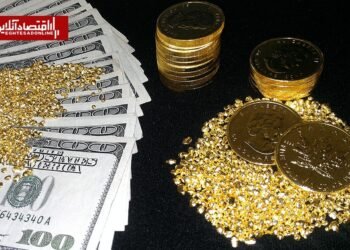
    According to IRNA, the process of freeing Iran’s blocked assets has entered the operational stage at the same time as the implementation of the Islamabad Agreement.

    READ ALSO

    See Hate and resignation!

    The war of narratives in the first step of negotiations

    With the implementation of the Islamabad Memorandum of Understanding and the beginning of the first round of negotiations in Switzerland, one of the most important clauses of this agreement, i.e. the release of Iran’s frozen assets abroad, has been in the spotlight.

    The presence of the Governor General of the Central Bank of Iran in the joint meeting with the Qatari authorities and the signing of the executive memorandum for the release of these resources carries a clear message from an economic point of view; A part of Iran’s foreign currency assets, which were blocked in foreign banks during the past years, is on the way to return to the country’s financial cycle.

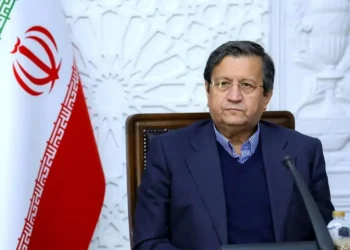
    In this context, Abdul Naser Hemmati, the head of the Central Bank, has announced that with the progress of the implementation of the agreement, the government’s foreign currency income will increase and the ability of the Central Bank to meet the country’s foreign exchange needs from the blocked sources will be strengthened. According to him, improving regional conditions and increasing access to foreign exchange resources can also help reduce inflationary expectations.

    However, the way to release these resources is still the subject of discussion by some critics of the agreement, while follow-ups show that the mechanism for releasing assets is designed based on arrangements approved by the Islamic Republic of Iran and finalized during the technical negotiations between Iran and Qatar.

    Regardless of the political controversies surrounding the use of these resources, examining the history of frozen assets and their position in the Central Bank’s balance sheet can provide a clearer picture of the importance of this financial opening and its possible effects on Iran’s economy.

    What does the signed agreement say about Iran’s assets?

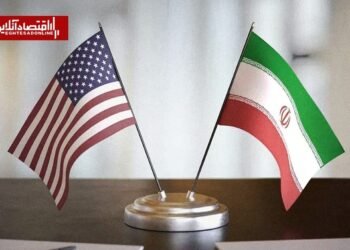
    One of the most important clauses of the understanding between Iran and the United States is the clause that is dedicated to the blocked assets and financial resources of Iran, according to which the United States has committed to make available all the restricted or blocked funds and assets of the Islamic Republic of Iran.

    This clause is the result of the efforts and intensive consultations of the Ministry of Foreign Affairs and the Central Bank of the Islamic Republic of Iran during the 40-day war and the period of ceasefire and Qatari mediation in this regard, as well as the cooperation of some other countries in the region, which has marked this achievement for Iran.

    According to this understanding, which the presidents of Iran and the United States have also signed, these funds must be fully usable whether they are kept in the main accounts or for payment to the final beneficiary determined by the Central Bank of Iran, and the United States has committed to issue all necessary approvals and licenses in this regard.

    The seal of freedom on the assets of the central bank

    To better understand the nature of these sources, one should pay attention to the recent statements of the Governor of the Central Bank. Hemmati announced on June 26 that in drafting the provisions related to the release of assets, all past experiences were taken into consideration and the agreement mechanisms were designed in such a way as to provide access and effective use of these resources.

    He emphasized that the freed resources are considered among the assets of the Central Bank and the decision on how to manage and exploit them will be made within the framework of the legal powers of this institution.

    What is the figure of released resources?

    There is no single opinion about the amount of assets that will be freed in the form of the Islamabad Memorandum of Understanding, and the media has made numerous speculations about them in recent weeks, which sometimes even exceed the figure of 100 billion dollars, which of course are unrealistic figures.

    In general, since China, Iraq, India and South Korea have been Iran’s main trading partners for more than a decade, Iran’s main sources are also blocked in these countries, and a small share of it goes to other countries such as Japan or Kuwait.

    It is also important to remember that part of these assets are kept in the form of bonds, and the central bank uses the interest of these bonds for currency management.

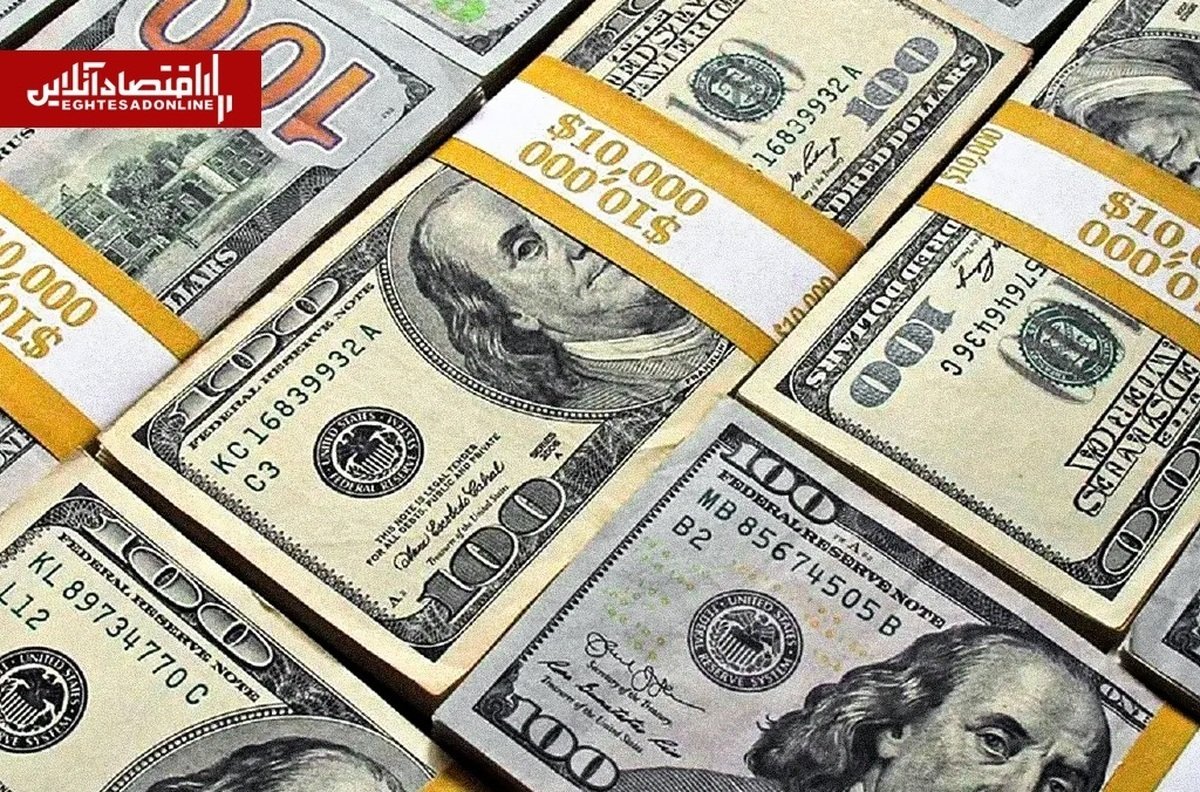
    According to the estimates of the Central Bank, the total assets of Iran’s bloc in other countries reach about 24 billion dollars, which is of course excluding the figures kept in China.

    With the memorandum of understanding signed between the presidents of Iran and the United States, with the availability of these financial resources, the central bank will be able to purchase basic goods and humanitarian financial transactions, and even the sanctions of the United Nations, the International Atomic Energy Agency, and the primary and secondary sanctions of the United States should not interfere with these financial transactions.

    How are oil revenues managed?

    According to the existing laws, the Central Bank is responsible for maintaining and managing foreign currency accounts and resources of the country abroad. In the usual routine, after the sale by the National Iranian Oil Company, the revenues from oil exports are deposited into the accounts of the central bank in foreign banks, and the central bank provides the equivalent of rials to the government.

    With the return of US sanctions in 2017, part of these foreign exchange sources were blocked in foreign banks and the Central Bank lost the possibility of direct access to them; In the same years and at the same time as the economic pressures due to the sanctions and the Corona epidemic intensified, the government used the Riyal equivalent of these resources to cover its expenses.

    In other words, the rial equivalent of a significant part of the previously blocked currencies entered the economy and was spent on the country’s public expenses. Therefore, the ownership of these resources is now in the hands of the central bank and they cannot be considered as new budget resources.

    What are the oil revenues used for?

    In recent years, several laws have been passed to reduce the dependence of the current budget on oil revenues. Based on this, a part of the oil revenues is allocated to the National Development Fund, a part is spent on the development of the oil industry, and a part is given to the government.

    According to economic officials, most of these resources have been used in recent years to provide basic goods, medicine, livestock inputs and other essential needs of the country, which according to statistics was about 12 billion euros last year.

    Does the release of resources mean a decrease in the exchange rate?

    One of the misconceptions about the release of blocked assets is that this will directly reduce the exchange rate. While experts believe that the main effect of these sources is to increase the ability of the central bank to manage the foreign exchange market and respond to the country’s foreign exchange needs.

    Since the Rial equivalent of these assets has already been injected into the economy, the freed resources are not going to re-enter the economy in the form of Rials. Their main function will be to strengthen the currency support of the country, facilitate commercial exchanges, open letters of credit and increase the intervention power of the central bank in the currency market.

    Therefore, the release of blocked assets is more than a sign of the entry of oil dollars into the economy, it is a sign of increasing Iran’s access to its financial resources and reducing the restrictions caused by banking sanctions; An issue that can help improve the stability of the currency market and reduce economic uncertainties.

    The text of the memorandum of understanding to end the war imposed by the United States and Israel against the Islamic Republic of Iran was signed by the presidents of Iran and the United States in the early hours of Thursday, June 28, 1405 (Iranian time). Iran’s president Masoud Bizikian and Trump signed the text of the said memorandum of understanding digitally and in absentia in a short space of time.

    The first round of high-level negotiations between Iran and the United States, with the presence of representatives of Qatar and Pakistan as mediators, entered a stage yesterday after a long day in Switzerland with an agreement on a 60-day roadmap and the formation of technical working groups.

    After the end of the consultations, Qatar and Pakistan issued a joint statement and announced the agreement of the parties on the 60-day road map, the formation of a high committee and the start of technical working groups. According to this statement, the technical talks will continue until the end of the week in Burgenstock.

    Esmail Beqaei, the spokesman of the Ministry of Foreign Affairs of the Islamic Republic of Iran, explained the results of the talks between the delegations of Iran, the United States and the Pakistani and Qatari mediators in Switzerland.

    In this regard, the US Department of Treasury announced today that the Office of Foreign Assets Control (OFAC) allows the production, delivery, and sale of crude oil, petrochemical products, and petroleum products originating in Iran until August 21. Based on this license, all transactions and services that are necessary for the production, sale and transfer of these products, including insurance, ship management, crew supply, fueling, registration and flagging of ships and maritime rescue operations will be allowed.
    Source link

    Related Posts

    Iran

    See Hate and resignation!

    June 24, 2026
    The war of narratives in the first step of negotiations
    Iran

    The war of narratives in the first step of negotiations

    June 24, 2026
    Iran

    Ashura in the frame of Sima productions

    June 24, 2026
    All the economic clauses of the Iran-US Memorandum of Understanding/ Hemmati: There is no question of forced purchase from the US
    Iran

    All the economic clauses of the Iran-US Memorandum of Understanding/ Hemmati: There is no question of forced purchase from the US

    June 24, 2026
    The British Prime Minister resigned + video
    Iran

    The British Prime Minister resigned + video

    June 24, 2026
    The new competitor of the dollar and gold
    Iran

    The new competitor of the dollar and gold

    June 24, 2026
    Next Post
    47th EUCOCO Conference kicks off in Toledo

    47th EUCOCO Conference kicks off in Toledo

    POPULAR NEWS

    Syrian Foreign Minister receives Mauritanian counterpart in Damascus

    Syrian Foreign Minister receives Mauritanian counterpart in Damascus

    June 24, 2026
    Magical Messi makes World Cup history to send Argentina into last 32

    Magical Messi makes World Cup history to send Argentina into last 32

    June 24, 2026
    Inga Ruginiene resigns from the position of Prime Minister in Lithuania

    Inga Ruginiene resigns from the position of Prime Minister in Lithuania

    June 24, 2026
    After his appointment as Secretary-General of the Arab League.. Who is Nabil Fahmy? – Saudi Arabia News

    After his appointment as Secretary-General of the Arab League.. Who is Nabil Fahmy? – Saudi Arabia News

    June 24, 2026
    Ernesto Revilla, economist at Citi: “Access to the market will be proof that Argentina has moved on to a new stage”

    Ernesto Revilla, economist at Citi: “Access to the market will be proof that Argentina has moved on to a new stage”

    June 24, 2026

    EDITOR'S PICK

    Britain’s return to the EU: The great dilemma of the future prime minister of the United Kingdom

    Britain’s return to the EU: The great dilemma of the future prime minister of the United Kingdom

    June 24, 2026
    Hungary Joins the European Forest Conservation Initiative

    Hungary Joins the European Forest Conservation Initiative

    June 24, 2026
    L’Ossa d’Ordino parades for the first time at the International Iberian Masquerade Festival

    L’Ossa d’Ordino parades for the first time at the International Iberian Masquerade Festival

    June 24, 2026
    AMLO’s cousin calls to defend sovereignty and describes Trump as a “disgusting guy” and misogynist

    AMLO’s cousin calls to defend sovereignty and describes Trump as a “disgusting guy” and misogynist

    June 24, 2026

    Recent Posts

    • Spare 30 minutes on the weekend…health through yoga – International yoga day
    • ‘Maa Inti Bangaaram’ movie review: Samantha is winsome in an entertaining but uneven action drama
    • The “unprecedented heat wave” that hits Europe: maximum alerts, records and health crisis in several countries
    • Land of Bones — Issue No. 9 — June 15, 2025

      © 2026 Agentially - Navigating shifting sovereignties and global risk .

      Welcome Back!

      Login to your account below

      Forgotten Password?

      Retrieve your password

      Please enter your username or email address to reset your password.

      Log In
      No Result
      View All Result

        © 2026 Agentially - Navigating shifting sovereignties and global risk .

        This website uses cookies. By continuing to use this website you are giving consent to cookies being used. Visit our Privacy and Cookie Policy.