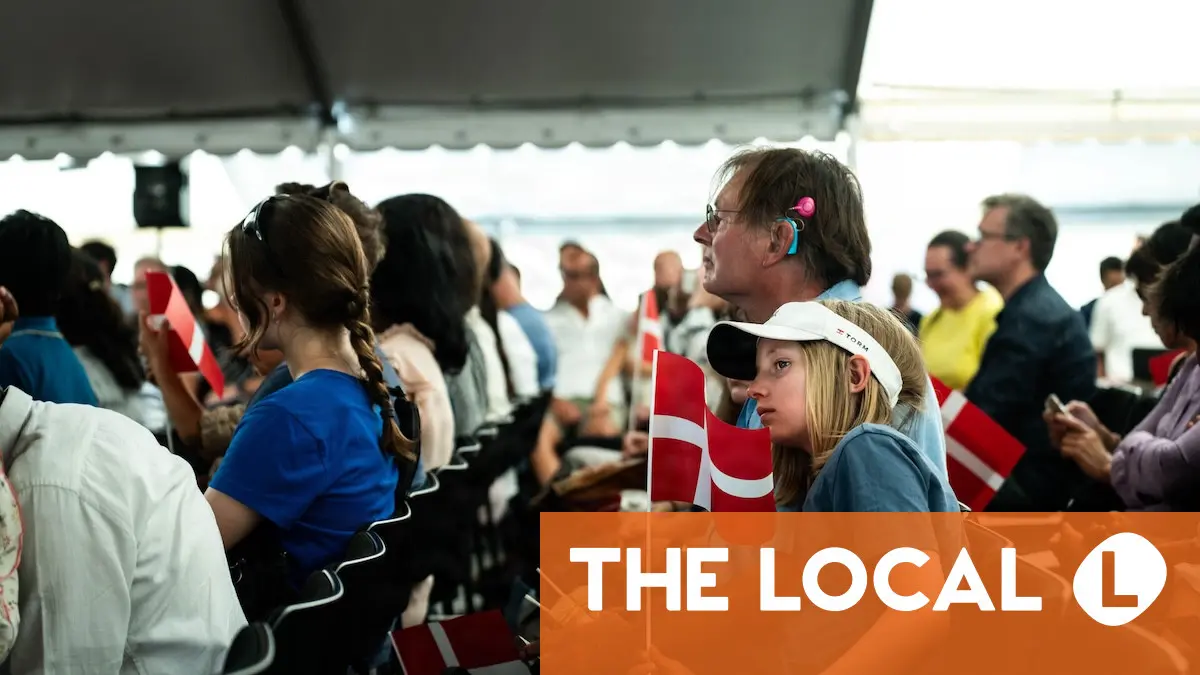
Foreigners whose names were included in the January citizenship bill submitted to the Danish parliament have told The Local of their anger and disappointment at reaching the final hurdle only to have their hopes frustrated.
Greta, a scientist from Hungary who works in biotech, remembers the feeling she had when she received the letter informing her that her name would be in this January’s citizenship bill.
“I almost cried,” she told The Local. “I immediately went to check if my name was really there and kept on checking it every few days or so. After living here for 12.5 years at that point, it felt like a sense of belonging. I celebrated.”
Vincent, an AI specialist working for Maersk, remembers being “overjoyed”.
“I cheered and immediately wrote to my Danish wife and told all of my colleagues. It meant everything, the culmination of 10 years of effort.”
A Ukrainian respondent, who started working in Denmark long before Russia’s invasion of his country, said that the emotional effect of having his name on the bill stayed with him for weeks.
“I was very glad, every day was much more joyful. As I speak Danish at work, I had these anticipation butterflies all the time. That was a beautiful time,” he wrote.
For one American, who has been living in Denmark for nine years, it was mostly “a relief”.
The woman, who wanted to remain anonymous said: “I had a feeling like I would be treated on equal footing to everyone else in my family.”
‘My heart stopped’
So when Denmark’s Prime Minister Mette Frederiksen announced the general election on February 26th and it then became clear that the bill would be shelved, it was a blow.
“When I read about it, I was alone with my five-year-old son, and for a moment I felt like my heart stopped,” Greta remembers.
“Then I remembered our friend’s father, who passed away after hearing about the problem with their residency visa, and I thought to myself: ‘nothing is worth this’. It took me 15 minutes to stand up again, and weeks to recover.”
“I was devastated, although at first I hoped it would resume quickly,” Vincent told us. “As the government languished without a coalition, and the few comments to the media from the new Immigration Minister came out, I began to understand just how much Denmark does not want to welcome immigrants and will find any excuse or loophole to delay and deny citizenship to people.”
Zoé de Moffarts, from Belgium, said it had stung that the date the government had chosen for the election seemed almost designed to deny her citizenship.
“It felt like a real slap in the face when the date for the election was announced as the 24th of March, which is the day our bill was supposed to be voted for,” she wrote.
‘Betrayed and unwanted’
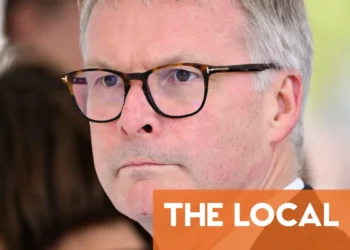
Now the new government has come in and it seems increasingly clear that Migration Minister Morten Bødskov has no plans for a new bill this year, many of those whose names were on the January bill are starting to give up hope.
“I feel certain there will be no citizenships granted in 2026, as the Immigration Minister has stated the report on new restrictions, originally due in July, will now come ‘before the end of the year’,” Vincent said.
“To me, this means that 2027 will likely also see no new citizenships granted, as surely they will tell us they need time to read and review the report. And with their track record, I assume some new excuse will crop up later in 2027 to make 2028 citizenships unlikely as well,” he added.
“At this rate, I am beginning to assume they will just cease the granting of citizenship entirely.”
The American respondent, who wanted to remain anonymous, was slightly more optimistic.
She predicted that the next citizenship bill would most likely get voted through in the autumn of 2027, which she pointed out would be two and a half years after her final approval, rather than the six months it should take.
“This makes me angry because the whole debate is about whether those of us who are getting Danish citizenship hold ‘Danish values’,” she said.
“A big part of partaking in Danish society is trusting and respecting systems – except apparently when you’re a foreigner, you have to trust and respect the systems, but they don’t have to do so back.”
Greta said she now felt “betrayed and unwanted” by a country where she had spent her entire university education from her bachelor’s degree to her PhD.
“I feel frustrated and unwelcome, like I was chasing something I was never going to get because I am still not enough, even after having done all the right things. I’m heartbroken really.”
The Moffarts said she felt “disgust, frustration, and despair”.
“I don’t understand how it’s fair to keep people who have done everything that was required of them in limbo for so long,” she said. “The discourse in the media is also extremely disheartening: people really seem to hate us ‘foreigners’ and are super happy that this is happening.”
“But we’re human beings with feelings. I love Denmark and I can’t imagine living anywhere else, I’ve done everything in my power to belong and contribute positively to society, what more can I do to prove my worth?”.