-
Translated by: Flutura Gashi-Mehmeti

- June 21, 2026 10:38 am
- Share to:
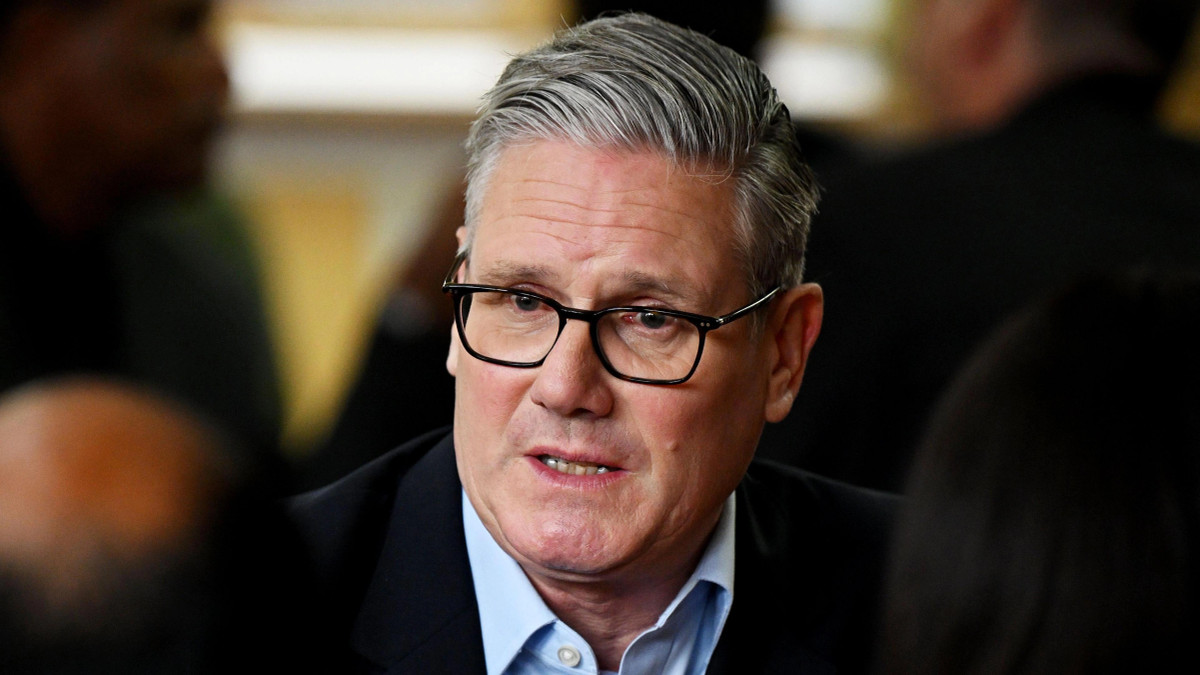
Keir Starmer is expected to announce on Monday that he will resign as prime minister, following heavy pressure from Labor MPs to make way for Andy Burnham to become party leader.
The Prime Minister and his allies had insisted for weeks that they would fight off any leadership challenge from Burnham or anyone else before the Makerfield by-election in which Burnham secured his return to Parliament.
However, on Sunday morning, business secretary Peter Kyle told Sky News that Starmer was spending the weekend “reflecting on the political realities” he was facing.
Speaking on behalf of the government, Kyle refused to say what he thought Starmer’s plans were or what he had asked the prime minister to do.
He has not dismissed the idea that a change at 10 Downing Street was imminent, following Burnham’s landslide victory in Thursday’s by-election.
“What I know for sure is that he’s had talks with a very, very wide range of people, including me, and that he’s working hard this weekend. I think he’s taking time to reflect on the political realities, challenges and opportunities that he faces. I believe that’s what people would expect from him at this point,” Kyle stated.
Downing Street has denied that Starmer was planning to quit, saying his position remained unchanged as of Friday.
After the Greater Manchester mayor won Thursday’s election by a significant margin over Reform UK, securing a lead of over 9,000 votes and more than 50% of the vote, Burnham’s team believe they have the support of around 200 Labor MPs, roughly half the caucus.
Since then, that number has grown and Burnham has become increasingly confident that he can take the leadership of the Labor Party and, by extension, the prime ministership without a formal contest.
On Friday, ministers previously loyal to Starmer told him he had to make a decision on his departure deadline by the end of the weekend or risk being forced out of office.
Any MP who wants to challenge for the leadership post must secure the support of at least 20% of the caucus, or 81 MPs.
Wes Streeting, the former health secretary who resigned last week amid dissatisfaction with Starmer’s leadership, has pledged to run for the top job and says he has enough supporters. Allies of Starmer and Burnham are skeptical, however.
His candidacy could become less likely if Labor backbenchers decide to back the likely winner and line up behind Burnham.
Starmer’s departure would take the UK to its seventh prime minister in 10 years, just two years after he led Labor to a landslide victory in the general election, winning a 174-seat majority.
However, his administration has been plagued by controversy and a succession of policy changes, including the issue of winter heating payments for the elderly and the decision to appoint Peter Mandelson as the UK’s ambassador to Washington.
The Labor Party has fallen sharply in the polls and Starmer himself is deeply unpopular with large sections of the public.