Tegucigalpa, Honduras
More than 2.2 million lempiras were allocated between 2023 and 2025 to the extinct Strategic Planning Secretariat (SPE) to the payment of breakfasts and lunches, according to a review carried out by THE PREMIUM PRESS to the contracting documents in HonduShopping.
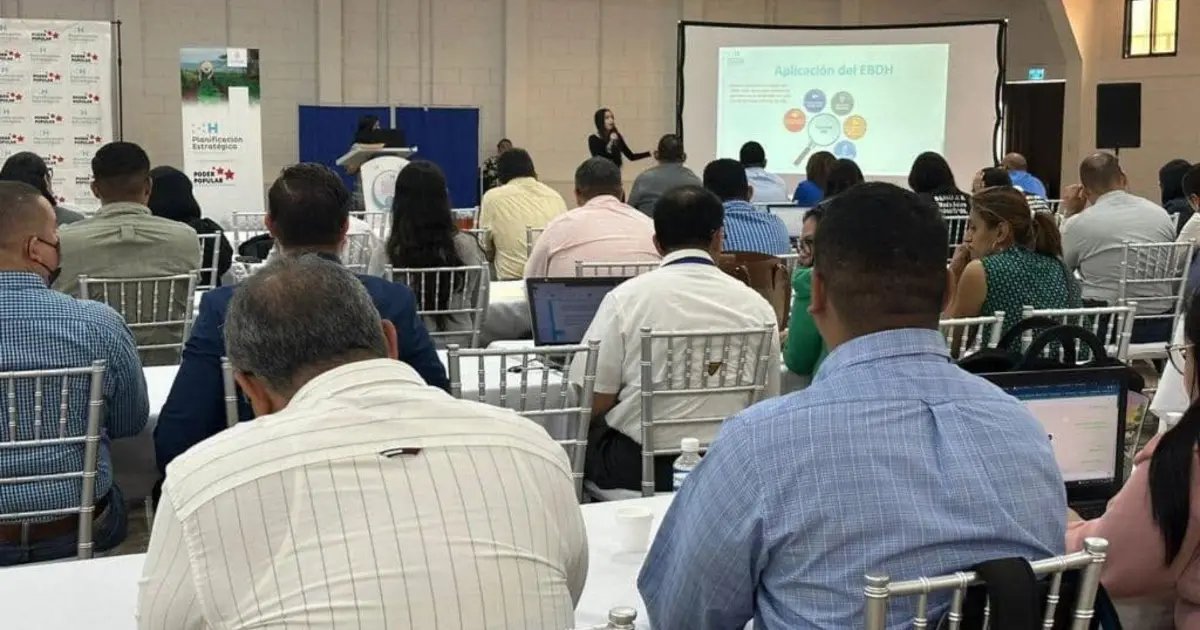
The food was contracted for workshops, meetings, training, citizen participation days, internal activities and processes linked to the formulation of institutional plans, according to the files published in Honducompras by the State Contracting and Acquisitions Regulatory Office (Oncae).
The LA PRENSA Premium Investigation Unit reviewed 87 SPE contracting files published in Honducompras and compared the information with records available in the Single Transparency Portal.
The review began with records corresponding to 2022; However, for that period they did not upload documentation related to this type of acquisitions. Due to this lack of information, the total amount disbursed could be higher, according to sources consulted by this journalistic team.
Of the 87 files reviewed, 76 had food for events as their main expense. The rest corresponded to rental of furniture, audiovisual equipment, assembly, transportation, internal office consumption or other services.
The depuration He left files linked mainly to catering services for events for more than 2.2 million lempiras. The documents showed that the highest unit prices were recorded in the revised contracts themselves.
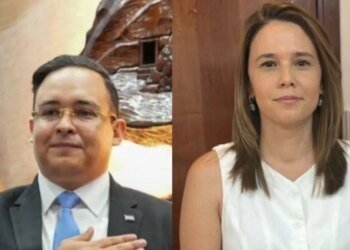
To find out why a State institution allocated more than 2.2 million lempiras to food services, this team contacted the former Secretary of Strategic Planning, Ricardo Salgado, but until the publication of this investigation there was no response.
Purchases by order type
The review of published contracts allowed us to identify more than 8,300 food services and beverages acquired by the SPE between 2023 and 2025. It was not possible to include 2022 due to the absence of records available for that year.
Lunches were the most contracted service, with 2,703 registrations, equivalent to 33% of the total. They were followed by dinners (20%), coffee breaks (16%), snacks (14%), soft drinks (12%), snacks (3%), breakfasts (2%) and coffee stations (0.7%).
The files also detail the type of food paid with public funds. Among the contracts are beef fajitas with garden rice, grilled chicken with rice and salad, club sandwich with juice, meat lasagna, typical Honduran dishes, packed lunches, coffee stations and sweet and savory snacks.
One of the highest unit amounts appears in contract SPE-CM-252-2024, corresponding to a purchase made on August 10, 2024 for seven people from the Legal Unit and the High General Secretariat. The file records seven breakfasts at 350 lempiras each and seven lunches at 498 lempiras per person.
Breakfast included fried eggs, Argentine chorizo, beans, butter, cheese, chimol, and bread. Lunch consisted of meat lasagna with tomato sauce, mixed salad and juice. The total purchase, which also included transportation costs, exceeded 9,000 lempiras.
A similar pattern was observed in the contract SPE-CM-159-2024dated June 10, 2024, intended for Human Resources personnel. The SPE purchased 12 dinners consisting of roasts, at a cost of 450 lempiras each, in addition to 12 soft drinks at 45 lempiras per unit. The total value of the invoice was 5,940 lempiras.
The hiring of food services was not limited to massive events. It was also used for extended days, internal meetings, staff activities and small group workshops. In some cases, unit prices exceeded those recorded in other contracts reviewed.
The Planning Secretariat paid, in one of the cases, for each lunch, while the unit price of the breakfasts was 350 lempiras.
The frequency of these acquisitions also opens the debate on the mechanisms used to contract them. Juan Carlos Aguilardirector of Democracy and Transparency of the Association for a More Just Society (ASJ), considered that when the purchase of supplies becomes recurring it should be carried out through broader bidding processes.
“If the purchases were recurring, they had to be made through public bidding when it comes to supplies. The institution was not created for these purposes,” he questioned.
The review of files showed that the majority of purchases were processed as minor purchases under bidding processes, while other contracts were awarded through direct contracting.
Eight months, higher expense
The bill also did not progress uniformly during the three years analyzed. The highest annual expense was recorded in 2024, with more than 1.1 million lempiras. In 2023 and 2025, spending exceeded half a million lempiras each year.
In the documents, payment for food is justified under a diverse agenda of institutional activities. The files mention formulation of annual operational plans, preparation of public policiessectoral planning, citizen participation, ideological training and institutional strengthening processes.
In the three years analyzed there were eight months in which food expenses amounted to 100 thousand, 200 thousand and even 300 thousand lempiras. In those months, 1.6 million lempiras were paid for food, that is, three quarters of the 2.2 million lempiras.
The rest of the invoices, equivalent to almost 600,000 lempiraswas distributed among other months with smaller purchases. The series shows that spending was not constant, but rather presented peaks associated with specific periods of greater institutional activity.
For Leonel Nuneza member of the Technical Liquidation Commission, appointed by President Nasry Asfura to review the defunct SPE, several of these purchases coincide with activities that, in the opinion of the commission, exceeded the functions for which the institution was created.
“When you are analyzing the invoices you notice that there are many purchases that coincide with political eventualities,” he said.
Núñez maintained that the discussion should not focus solely on how much money was spent on food, but on the role that an entity governing state planning ended up playing.
“After seeing several things we realize that the institution was used for a very different purpose for which it was created”, he assured.
The Investigation Unit contrasted the dates of the activities carried out by the SPE, then directed by Ricardo Salgado, with public events of the Libertad y Refoundación (Libre) party; however, no matches were identified.
The Secretariat of Strategic Planning was born through the Executive Decree PCM-05-2022published in the official newspaper La Gaceta on April 6, 2022. Article 2 defined it as the governing entity of the National Planning System for the Social and Economic Development of Honduras.
Four years later, the same secretariat was abolished by the PCM-004-2026published in The Gazette 25 of February of 2026as part of a restructuring of the Executive Branch. Its closure left expenses, contracts and files under review that are currently being examined by the Technical Liquidation Commission.