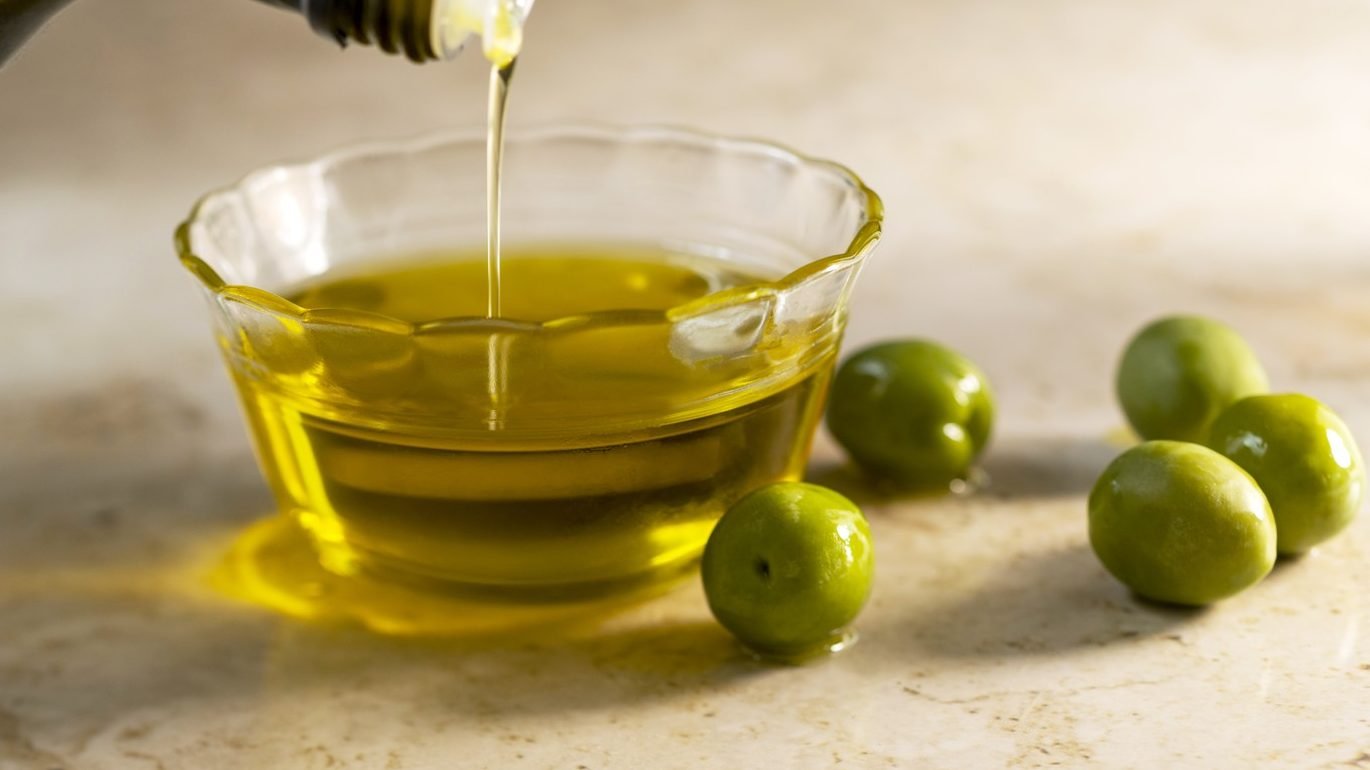
The world of olive oil can be confusing. Recipes often say only “olive oil”, while in stores there is a whole range of varieties such as extra virgin, refined and “light” olive oil.
So what exactly is the difference between regular and extra virgin olive oil?
Olive oil is a staple in kitchens all over the world, valued for its health benefits, culinary application and deep tradition in the Mediterranean diet. It is used in salad dressings, marinades, vegetable and meat dishes, but also in desserts and pastries. It is a vegetable fat obtained by pressing or crushing fresh olives.
However, when you find yourself in front of shelves full of different bottles and cans, it can be difficult to decide which oil to choose. And here we come to the key question: how does olive oil differ from extra virgin olive oil?
Are olive oil and extra virgin olive oil the same?
In short, no. Although both come from the same raw material, olives, the differences are in the way of production, taste, quality and degree of processing.
Extra virgin olive oil is considered the highest quality form of olive oil. It is an unrefined oil obtained by cold pressing whole olives, without the use of heat or chemicals.
This process preserves the purest flavors and aromas, preserving the olive’s natural character.
Extra virgin olive oil must be flawless, with an acid level of no more than 0.8 percent, and when properly stored, it has a superior taste and aroma.
The taste of this oil depends on the olive variety. It can be mild and buttery, herbal and aromatic, but also spicy and slightly bitter.
On the other hand, ordinary olive oil is of lower quality and is usually a mixture of refined oil and smaller amounts of natural oil. In some cases, the oil is further processed through several stages in order to extract a larger quantity, which has the effect of reducing the quality.
Because it doesn’t have the strict taste and production standards that extra virgin olive oil does, regular olive oil is significantly more affordable.
In comparison, it has a more neutral taste and milder aroma, as well as a lighter color.
Although extra virgin olive oil is of higher quality, both types have their place in the kitchen, he says Express.
Can they be substituted in recipes?
Basically, yes. If the recipe calls for olive oil, you can use either extra virgin or regular oil, depending on the flavor you want to achieve.
Both are suitable for cooking and baking, but it should be noted that they have different smoke points.
As a general rule, extra virgin olive oil is best used for dressings, sauces, cold dishes and final seasoning, where its flavor comes to the fore, while a more neutral oil is more suitable for heat treatment.
Follow us on our Facebook and Instagram page, but also on X account. Subscribe to PDF edition of Danas newspaper.