With the war in Ukraine and the crisis in the Middle East, it seems the world has never been closer to the outbreak of a new global conflict since the end of World War II.
If we compare this year with last year, the world is a less peaceful place today than it will be in 2025, according to the data of the new Global Peace Index. In 99 countries of the world, the global peace index has declined, and this decline has been going on for 12 years.
However, a small group of countries that stands out from this negative trend shows that not everything is so black.
“Even though we had this catastrophic decline, it really didn’t affect the top countries,” said Steve Kilelea, founder and executive director of the Institute for Economics and Peace, which created the index in 2007.
The Global Peace Index ranks 163 countries based on 23 indicators, from military expenditures, current conflicts and homicide rates, to perceptions of security. The countries that are at the top generally have a low level of violence, high trust in society, good relations with neighbors and a high quality of life.
According to the Global Peace Index for 2026, the ten safest countries are Iceland, New Zealand, Switzerland, Slovenia, Ireland, Austria, Portugal, Singapore, Finland and Japan.
BBC journalists talked to the citizens of the five safest countries in the world to find out what it feels like to live in such an environment, what helps them maintain that tranquility and how people from other countries can feel the “taste” of peace and stability, which today seems to have become a luxury.
Iceland
Iceland has topped the index since 2008 and remains the safest country in the world for the 19th year in a row.
It improved by two percent in 2026, helped by a sharp decline in violent demonstrations, and continues to rank highly for security, low levels of conflict, and limited militarization.
“Peace is all around us in Iceland, in the nature that surrounds us, but it is also a conscious choice rooted in our close-knit communities,” said Odni Arnarsdottir, head of Visit Iceland.
She believes this is due to a deep commitment to equality, including gender equality, in which Iceland consistently ranks at the top, along with strong public services and widespread renewable energy.
That commitment goes deeper than politics, and residents point to a strong sense of social cohesion and shared responsibility.
“We are very aware of how fortunate we are to experience this sense of peace. It reinforces the importance of maintaining an open and inclusive society,” Arnarsdottir said.
The geographical position of Iceland also plays an important role.
“Iceland’s geographic isolation means it is less affected by global tensions. Wide open landscapes, mountains, clean air and abundant fresh water play a central role in the quality of life here,” said Ejrun Anita Gilfadotir, a hotel marketing manager.
New Zealand
New Zealand, ranked second (up from third in 2025), is the safest country in the Asia-Pacific region, with the best score in the region when it comes to ongoing conflicts. Its jump in the list is mainly the result of a reduction in arms imports, and it remains one of the safest and least militarized countries in the world.
A large part of this peace exists thanks to the geographical location.
“The fact that New Zealand is so far from everything means that it has largely avoided the geopolitical chaos that drags other nations into conflict,” said Warwick Woodley, New Zealand citizen and founder of NZ Golden Visa.
But he also sees something in culture. People are usually relaxed and direct and, as he says, “generally more interested in solving things than adding fuel to the fire”.
Security is so common here that people don’t even pay attention to it anymore.
“Most people don’t think much about it, which is probably the best indicator that it’s generally not a concern. Guns are not a part of everyday life here, and after Christchurch the laws have become even stricter,” Woodley said.
The neighborhood is very important in these countries – people know each other and take care of each other.
Its sparse population also means easy access to nature.
“Mountains, beaches and wilderness walks are within reach, depending on where you are. Life doesn’t feel like it’s constantly running away from you like it does in some bigger, busier countries,” Woodley said.
Switzerland
Switzerland, which rose from fifth place last year to third in 2026, has a low crime rate and a long-standing policy of military neutrality, which helps it remain one of the safest countries in the world.
“People seem ready to make room for each other here. It creates a sense of trust, a belief that people will mostly do the right thing and that everyday life works as it should,” said Kornelija Čoe, an author and coach who lives in Geneva.
Maybe that’s what peace is in the end – not the absence of differences, but a shared commitment to finding ways to live well with them.
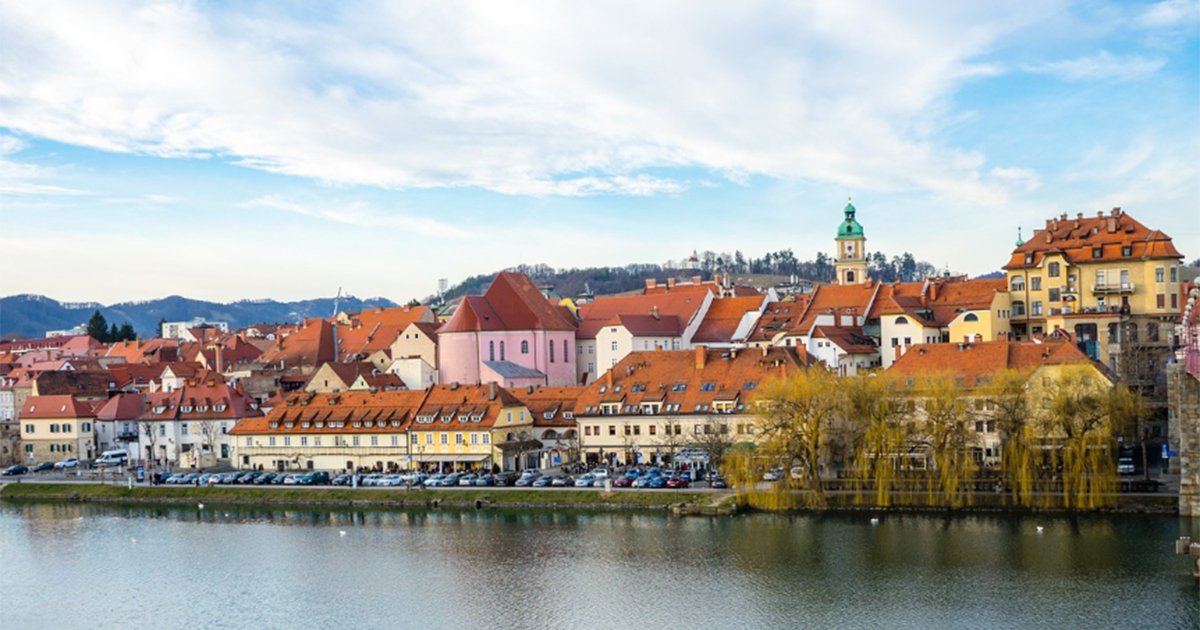
Slovenia
Slovenia, which was among the top five on the index for the first time, underpins its strong results with low military spending and a high level of security.
“Slovenes attach great importance to togetherness and spend a lot of time in nature, which I believe creates calmness and stability in us,” said Jernej Zver, who lives in Ljubljana and manages business in Eastern Europe for Intrepid Travel.
Jernej says that Slovenians mostly spend their weekends outside, hiking, cycling, skiing or gathering with friends and family.
A strong cultural emphasis in this former Yugoslav country is placed on the balance between business and private life.
“If we take into account the conflicts and uncertainty currently affecting many parts of the world, I feel very lucky to call Slovenia my home. I appreciate less things that I may have once taken for granted, knowing that I can go about my daily life in safety and without fear,” Zver said.
To really appreciate everything the country has to offer, Zver suggests spending more than a weekend in Ljubljana.
“Come and spend a week,” he said.
This can include rafting on the Soča River, visiting waterfalls in the Vintgar Gorge near Bled, or cycling through mountain pastures across the country.
“Whatever you do in Slovenia, you will be delighted by the warm hospitality of the people, stunning landscapes, nature and, of course, excellent food,” he said.
Ireland
Ireland ranks fifth and scores highly thanks to its low rate of violence and limited involvement in international conflicts.
This country, which has a very turbulent history, does not take its security for granted.
“Ireland’s historical experience as a nation makes its people acutely aware of the dangers of prejudice and the importance of generosity and hospitality towards others,” said Didi Ronan, founder of the regenerative Native Hotel in West Cork.
Ronan traces this culture of hospitality back to the Brehon Laws, which ruled Ireland for much of the first millennium and mandated the provision of food and lodging to strangers and travelers.
“It’s in our DNA,” she said Telegraph.
Ireland’s tradition of neutrality gives this sense of peace an international dimension, as the country does not join foreign wars or military alliances.
“In a time of global instability and uncertainty, there is something soothing about being on a distant rock in the Atlantic, with great music, walks and books. We appreciate this privilege given the great suffering and injustice experienced by many people around the world today, and which reflects our national experience,” Ronan said.