Wednesday, June 17, 2026
    The GeoStrategic Consensus
    No Result
    View All Result
    • Login
    • HOME
    • AMERICAS
      • Argentina
      • Brazil
      • Canada
      • Chile
      • Colombia
      • Costa Rica
      • Cuba
      • Dominican Republic
      • Ecuador
      • El Salvador
      • Greenland
      • Guatemala
      • Honduras
      • Mexico
      • Nicaragua
      • Panama
      • Paraguay
      • Peru
      • United States
      • Uruguay
      • Venezuela
    • ASIA-PACIFIC
      • Australia
      • Brunei Darussalam
      • Cambodia
      • China
      • Federated States of Micronesia
      • Fiji
      • Indonesia
      • Japan
      • Kiribati
      • Laos
      • Malaysia
      • Marshall Islands
      • Mongolia
      • Myanmar
      • Nauru
      • New Zealand
      • North Korea
      • Palau
      • Papua New Guinea
      • Philippines
      • Samoa
      • Singapore
      • Solomon Islands
      • South Korea
      • Taiwan
      • Thailand
      • Timor-Leste
      • Tonga
      • Tuvalu
      • Vanuatu
      • Vietnam
    • CARICOM
      • CARICOM – Non-English
        • Haiti
        • Suriname
      • CARICOM Associates
        • Anguilla
        • Bermuda
        • British-Virgin-Islands
        • Cayman-Islands
        • Curacao
        • Turks-and-Caicos
      • CARICOM English
        • Antigua and Barbuda
        • Barbados
        • Belize
        • Dominica
        • Grenada
        • Guyana
        • Jamaica
        • Montserrat
        • Saint Kitts and Nevis
        • Saint Lucia
        • Saint Vincent and the Grenadines
        • The Bahamas
        • Trinidad and Tobago
    • EURASIA
      • Armenia
      • Azerbaijan
      • Balarus
      • Georgia
      • Kazakhstan
      • Kyrgyzstan
      • Moldova
      • Russia
      • Tajikistan
      • Turkmenistan
      • Ukraine
      • Uzbekistan
    • EUROPE
      • Albania
      • Andorra
      • Austria
      • Bosnia and Herzegovina
      • Bulgaria
      • Croatia
      • Cyprus
      • Czech Republic
      • Denmark
      • Estonia
      • Finland
      • France
      • Germany
      • Greece
      • Holy See
      • Hungary
      • Iceland
      • Ireland
      • Italy
      • Kosovo
      • Latvia
      • Liechtenstein
      • Lithuania
      • Luxembourg
      • Malta
      • Monaco
      • Montenegro
      • Netherlands
      • North Macedonia
      • Norway
      • Poland
      • Portugal
      • Romania
      • San Marino
      • Serbia
      • Slovakia
      • Slovenia
      • Spain
      • Sweden
      • Switzerland
      • United Kingdom
    • MIDDLE EAST AND NORTH AFRICA
      • Algeria
      • Bahrain
      • Egypt
      • Iran
      • Iraq
      • Israel
      • Jordan
      • Kuwait
      • Lebanon
      • Lybia
      • Morocco
      • Oman
      • Palestinian Territories
      • Qatar
      • Saudi Arabia
      • Syria
      • Tunisia
      • Turkey
      • United Arab Emirates
      • Western Sahara
      • Yemen
    • SOUTH ASIA
      • Afghanistan
      • Bangladesh
      • Bhutan
      • India
      • Maldives
      • Nepal
      • Pakistan
      • Sri Lanka
    • SUB-SAHARAN AFRICA
      • Angola
      • Benin
      • Botswana
      • Burkina Faso
      • Burundi
      • Cabo Verde
      • Cameroon
      • Central African Republic
      • Chad
      • Comoros
      • Cote d’Ivoire
      • Democratic Republic of the Congo
      • Djibouti
      • Equatorial Guinea
      • Eritrea
      • Eswatini
      • Ethiopia
      • Gabon
      • Gambia
      • Ghana
      • Guinea
      • Guinea Bissau
      • Kenya
      • Lesotho
      • Liberia
      • Madagascar
      • Malawi
      • Mali
      • Mauritania
      • Mauritius
      • Mozambique
      • Namibia
      • Niger
      • Nigeria
      • Republic of the Congo
      • Rwanda
      • Sao Tome and Principe
      • Senegal
      • Seychelles
      • Sierra Leone
      • Somalia
      • South Africa
      • South Sudan
      • Sudan
      • Tanzania
      • Togo
      • Uganda
      • Zambia
      • Zimbabwe
    • HOME
    • AMERICAS
      • Argentina
      • Brazil
      • Canada
      • Chile
      • Colombia
      • Costa Rica
      • Cuba
      • Dominican Republic
      • Ecuador
      • El Salvador
      • Greenland
      • Guatemala
      • Honduras
      • Mexico
      • Nicaragua
      • Panama
      • Paraguay
      • Peru
      • United States
      • Uruguay
      • Venezuela
    • ASIA-PACIFIC
      • Australia
      • Brunei Darussalam
      • Cambodia
      • China
      • Federated States of Micronesia
      • Fiji
      • Indonesia
      • Japan
      • Kiribati
      • Laos
      • Malaysia
      • Marshall Islands
      • Mongolia
      • Myanmar
      • Nauru
      • New Zealand
      • North Korea
      • Palau
      • Papua New Guinea
      • Philippines
      • Samoa
      • Singapore
      • Solomon Islands
      • South Korea
      • Taiwan
      • Thailand
      • Timor-Leste
      • Tonga
      • Tuvalu
      • Vanuatu
      • Vietnam
    • CARICOM
      • CARICOM – Non-English
        • Haiti
        • Suriname
      • CARICOM Associates
        • Anguilla
        • Bermuda
        • British-Virgin-Islands
        • Cayman-Islands
        • Curacao
        • Turks-and-Caicos
      • CARICOM English
        • Antigua and Barbuda
        • Barbados
        • Belize
        • Dominica
        • Grenada
        • Guyana
        • Jamaica
        • Montserrat
        • Saint Kitts and Nevis
        • Saint Lucia
        • Saint Vincent and the Grenadines
        • The Bahamas
        • Trinidad and Tobago
    • EURASIA
      • Armenia
      • Azerbaijan
      • Balarus
      • Georgia
      • Kazakhstan
      • Kyrgyzstan
      • Moldova
      • Russia
      • Tajikistan
      • Turkmenistan
      • Ukraine
      • Uzbekistan
    • EUROPE
      • Albania
      • Andorra
      • Austria
      • Bosnia and Herzegovina
      • Bulgaria
      • Croatia
      • Cyprus
      • Czech Republic
      • Denmark
      • Estonia
      • Finland
      • France
      • Germany
      • Greece
      • Holy See
      • Hungary
      • Iceland
      • Ireland
      • Italy
      • Kosovo
      • Latvia
      • Liechtenstein
      • Lithuania
      • Luxembourg
      • Malta
      • Monaco
      • Montenegro
      • Netherlands
      • North Macedonia
      • Norway
      • Poland
      • Portugal
      • Romania
      • San Marino
      • Serbia
      • Slovakia
      • Slovenia
      • Spain
      • Sweden
      • Switzerland
      • United Kingdom
    • MIDDLE EAST AND NORTH AFRICA
      • Algeria
      • Bahrain
      • Egypt
      • Iran
      • Iraq
      • Israel
      • Jordan
      • Kuwait
      • Lebanon
      • Lybia
      • Morocco
      • Oman
      • Palestinian Territories
      • Qatar
      • Saudi Arabia
      • Syria
      • Tunisia
      • Turkey
      • United Arab Emirates
      • Western Sahara
      • Yemen
    • SOUTH ASIA
      • Afghanistan
      • Bangladesh
      • Bhutan
      • India
      • Maldives
      • Nepal
      • Pakistan
      • Sri Lanka
    • SUB-SAHARAN AFRICA
      • Angola
      • Benin
      • Botswana
      • Burkina Faso
      • Burundi
      • Cabo Verde
      • Cameroon
      • Central African Republic
      • Chad
      • Comoros
      • Cote d’Ivoire
      • Democratic Republic of the Congo
      • Djibouti
      • Equatorial Guinea
      • Eritrea
      • Eswatini
      • Ethiopia
      • Gabon
      • Gambia
      • Ghana
      • Guinea
      • Guinea Bissau
      • Kenya
      • Lesotho
      • Liberia
      • Madagascar
      • Malawi
      • Mali
      • Mauritania
      • Mauritius
      • Mozambique
      • Namibia
      • Niger
      • Nigeria
      • Republic of the Congo
      • Rwanda
      • Sao Tome and Principe
      • Senegal
      • Seychelles
      • Sierra Leone
      • Somalia
      • South Africa
      • South Sudan
      • Sudan
      • Tanzania
      • Togo
      • Uganda
      • Zambia
      • Zimbabwe
    No Result
    View All Result
    Agentially
    No Result
    View All Result
    Home MIDDLE EAST and NORTH AFRICA Iran

    The intersection of football, artificial intelligence and future engineering

    The Analyst by The Analyst
    June 17, 2026
    in Iran
    The intersection of football, artificial intelligence and future engineering


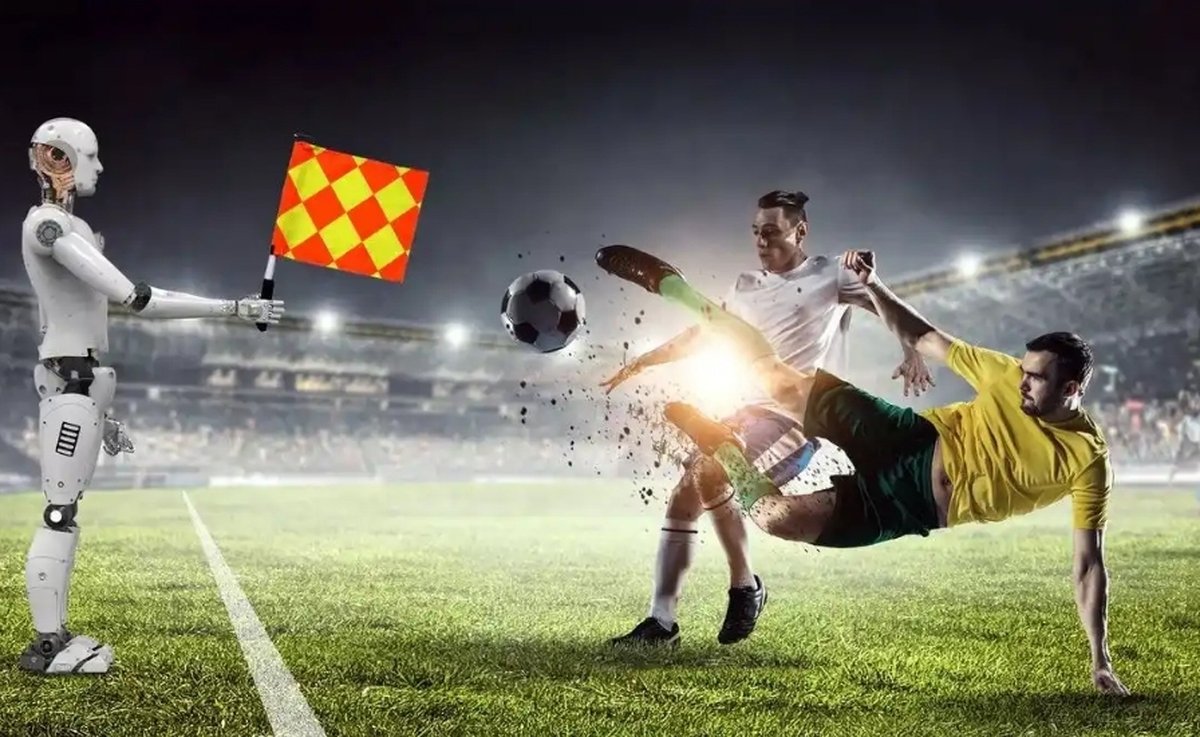
    The increase in the number of teams to 48 countries and the geographical spread of this tournament has faced FIFA and the local organizing committees with unprecedented logistical, security and health challenges. The answer to these challenges has been to take refuge in the arms of advanced technologies. In the meantime, two areas have attracted the attention of experts above all: first, the entry of intelligent robotic dogs into the field of security and stadium management, and second, the use of advanced air conditioning systems along with wearable technologies to protect the health of players against extreme climate changes.

    READ ALSO

    What was the story of Mehdi Tarabi’s visa?

    The new plan for the capital/Tehran will be the owner of the Azad region

    robotic dogs; Iron guards at the forefront of stadium security

    Securing matches at this level, in a country like Mexico that is struggling with its own security challenges, requires an approach beyond traditional manpower. At the ultra-modern BBVA stadium in Monterrey, Mexico, spectators are treated to a phenomenon previously only seen in science-fiction movies: intelligent steel quadrupeds walking shoulder to shoulder with police forces.

    These robotic dogs, designed by leading companies in the field of robotics and equipped with dedicated artificial intelligence systems, are not just display tools. Each of these robots is equipped with a set of advanced sensors:

    1. LiDAR sensors: for real-time 3D mapping of the surrounding environment, allowing the robot to navigate the most crowded spaces without bumping into onlookers.

    2. Thermal cameras and night vision: to identify suspicious objects or people hiding in the blind spots of the stadium.

    3. Facial recognition system based on artificial intelligence: these cameras instantly match the faces of fans with the database of people denied entry to the stadium or wanted people.

    One of the biggest security nightmares at World Cups is crowd control at entry and exit gates. By deploying at strategic points, robotic dogs analyze the amount of crowd flow and automatically report to the central control room to open alternative routes. In addition, in the event of a conflict between hooligans or extreme fans, these robots, due to their robust body and high speed, are the first units to enter the scene without endangering human lives to send live and high-quality images for security commanders to make decisions.

    Despite the high efficiency, the presence of these robots has not been without criticism. Civil rights organizations protest that the continuous scanning of audience faces is a violation of privacy. However, the tournament committee has emphasized that the video data will be deleted immediately after the matches are over, and that the aim is only to ensure the health and peace of the families who come to the stadium to watch the football.

    digital armor and climate engineering; Dealing with heat and injury giants

    Holding competitions in the summer season, in cities with high humidity and temperature such as Texas, Atlanta and the coastal areas of Mexico, seriously threatened the health of the players. In order to prevent the loss of the quality of the games and to maintain the health of the billion-dollar football stars, FIFA has employed two simultaneous technological strategies: smart stadiums that regulate the climate and uniforms equipped with biometric sensors.

    architectural giants; Stadiums that breathe

    Stadiums like AT&T in Dallas or Mercedes-Benz in Atlanta are masterpieces of mechanical engineering. These structures are equipped with giant movable roofs that take only a few minutes to close. But the main surprise lies under the roof: intelligent air conditioning systems based on artificial intelligence. HVAC, by analyzing the angle of the sun, the number of spectators present in each section and the ambient temperature, these systems direct the flow of cold air in such a way that the temperature of the grass field and platforms is uniformly stabilized at 21 degrees Celsius. This technology not only prevents spectators from overheating, but also allows players to play 120 minutes of high-intensity football without heat exhaustion. The energy consumption of these systems is provided through solar panels installed on the roof of the stadiums so that environmental aspects are also respected.

    smart vests; Accompanying doctor on the field

    The era of traditional measurement of player fatigue is over. Today, if you look under the shirts of the players of teams such as England, America or Germany, you will see elegant black vests equipped with GPS system and biometric sensors. Every second, these sensors send the following vital data to the medical staff on the bench:

    • Heart rate and its variations (HRV): to measure the level of cardiovascular stress.
    • Core Body Temperature: An excessive increase in this temperature indicates the risk of severe heatstroke.
    • The amount of sweating and loss of electrolytes: which is measured through skin sensors attached to clothes.

    Early prevention of injury

    The most interesting part of this technology is the ability to predict injuries. By analyzing a player’s running pattern during a game and comparing it to training data, AI algorithms detect the slightest change in stride (indicating a mild hamstring cramp or excessive muscle fatigue). As soon as the player’s fatigue indicator crosses the warning line, a notification will appear on the head coach’s tablet, suggesting a player substitution to prevent long-term injuries. This technology has actually reduced the rate of non-collision injuries in this cup significantly.

    strategic analysis; Long-term implications for the future of sport

    The integration of these two fields of technology in the 2026 World Cup has consequences beyond this one-month competition. We are watching a paradigm shift in the sports industry.

    The field of applied technology in the 2026 World Cup is a future consequence in world sports
    Intelligent robotics, robotic dogs for patrolling and crowd management, security standardization in all crowded political and cultural events.
    Clinical biometric vests with sensors to monitor body temperature and fatigue, the introduction of this equipment to public sports and schools to maintain public health
    Engineering
    Microclimate of stadiums with stabilized temperature
    21 degrees, the possibility of holding sports competitions in desert or very cold countries in any season of the year

    This table clearly shows that the investments made during this period will soon be injected into the body of club sports and even the daily life of citizens. The price of these technologies will gradually decrease and their access will become more general.

    the landscape

    The 2026 World Cup proved to us that football no longer depends only on legs, tactical genius of the coach and luck. Today, the winning team is the one that makes the best use of data, and the successful organization is the one that provides security with the least amount of errors and the most efficiency. The robotic dogs that roam the streets of Monterey and the cooling systems that turn scorching Texas stadiums into springtime paradises are two sides of the same coin; A coin called “digital football era”. This tournament has defined a new standard for organizing major events in the world; A standard where technology serves humanity to bring the most exciting yet safest possible experience of the magic of football to billions of people on the planet. When the final whistle blows, the Golden Cup will be awarded to only one country, but the real winner of this mega-project is humanity and the technologies that have pushed the boundaries of human ability one step further.


    Source link

    Related Posts

    What was the story of Mehdi Tarabi’s visa?
    Iran

    What was the story of Mehdi Tarabi’s visa?

    June 17, 2026
    The new plan for the capital/Tehran will be the owner of the Azad region
    Iran

    The new plan for the capital/Tehran will be the owner of the Azad region

    June 17, 2026
    Iran

    The result of aggression against Iran was defeat and humiliation

    June 17, 2026
    Ashyan project has started in 3 new provinces/rental housing registration has started
    Iran

    Ashyan project has started in 3 new provinces/rental housing registration has started

    June 17, 2026
    All damaged equipment will be replaced
    Iran

    All damaged equipment will be replaced

    June 17, 2026
    The explosion in Borujerd injured 6 people/ what is the matter?
    Iran

    The explosion in Borujerd injured 6 people/ what is the matter?

    June 17, 2026
    Next Post
    What was the story of Mehdi Tarabi’s visa?

    What was the story of Mehdi Tarabi's visa?

    POPULAR NEWS

    Markets are waiting for the determination of new interest rates

    Markets are waiting for the determination of new interest rates

    June 17, 2026
    Forecast casts doubt on government’s 100,000-job pledge | Yle News

    Forecast casts doubt on government’s 100,000-job pledge | Yle News

    June 17, 2026

    AC PoS pulls out WoLF… cites financial woesPoint Pioneers FC goalkeeper makes a great attempt to save an early goal from scoring during the T&T Women League Football at the Mannie Ramjohn Stadium, Marabella, in May against the AC POS Women’s team. AC Port-of-Spain won 2-0.INNIS FRANCISby

    June 17, 2026

    T&TEC confirms 'protected list' – Politicians added between 2015 and 2025

    June 17, 2026
    Beausejour indigenous dirt ovens… K

    Beausejour indigenous dirt ovens… K

    June 17, 2026

    EDITOR'S PICK

    Why are users leaving Google Home?

    Why are users leaving Google Home?

    June 17, 2026
    “The Flamingo Revolution” Goes Beyond Kushner and the Birds

    “The Flamingo Revolution” Goes Beyond Kushner and the Birds

    June 17, 2026
    SNS workers: new rules do not cover critical shifts and limit hiring | Health

    SNS workers: new rules do not cover critical shifts and limit hiring | Health

    June 17, 2026
    Slobodna Dalmacija – A new huge energy project on Brač; the director is the son-in-law of the Croatian “wind king”; will the island be independent?

    Slobodna Dalmacija – A new huge energy project on Brač; the director is the son-in-law of the Croatian “wind king”; will the island be independent?

    June 17, 2026

    Recent Posts

    • AC PoS pulls out WoLF… cites financial woesPoint Pioneers FC goalkeeper makes a great attempt to save an early goal from scoring during the T&T Women League Football at the Mannie Ramjohn Stadium, Marabella, in May against the AC POS Women’s team. AC Port-of-Spain won 2-0.INNIS FRANCISby
    • T&TEC confirms 'protected list' – Politicians added between 2015 and 2025
    • Pensioner hides boy in freezer as cutlass gang hunts down father in Rose Hall attack
    • Ministry of Tourism expands Kids’ Tourism Summer Camp

      © 2026 Agentially - Navigating shifting sovereignties and global risk .

      Welcome Back!

      Login to your account below

      Forgotten Password?

      Retrieve your password

      Please enter your username or email address to reset your password.

      Log In
      No Result
      View All Result

        © 2026 Agentially - Navigating shifting sovereignties and global risk .

        This website uses cookies. By continuing to use this website you are giving consent to cookies being used. Visit our Privacy and Cookie Policy.