Japan’s small firms, which employ the bulk of the nation’s company employees, may have trouble sustaining wage growth as the Middle East conflict drives up input costs and squeezes profit margins, putting a key pillar of growth at risk.
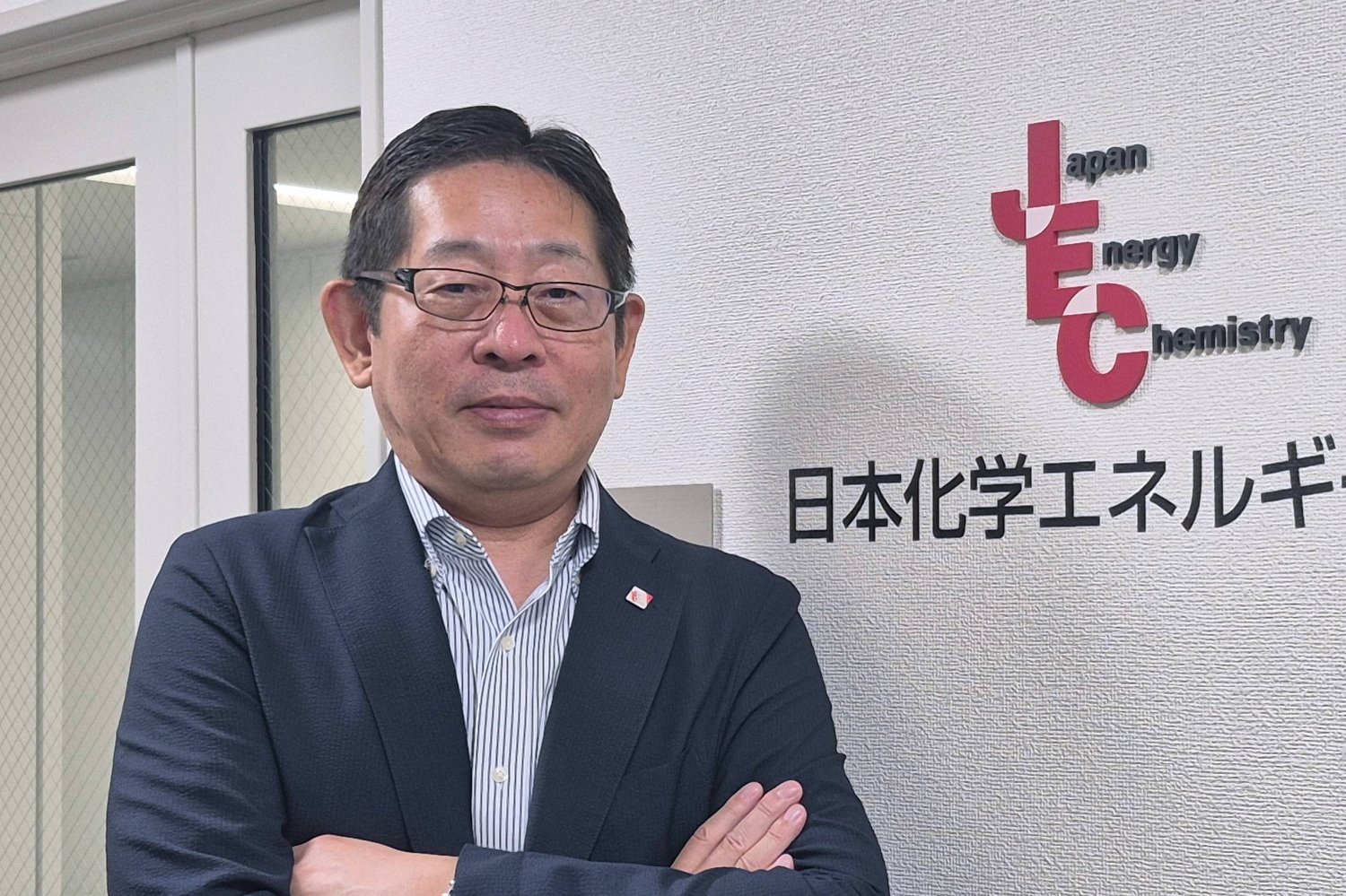
More than 80% of unions affiliated with the Japanese Federation of Energy and Chemistry Workers’ Unions (JEC) said the impact of the Iran war will likely affect future wage talks, according to a survey conducted by the group last week. Some 84% reported already feeling the effects, most commonly through higher energy and raw materials costs.
The survey results add to concerns over the durability of the nascent virtuous cycle of wage growth supporting consumption and prices. Japan’s corporate goods prices rose 0.9% in May from a month earlier, one of the strongest paces in recent years. That followed April data which climbed at the fastest clip in 12 years.
The federation represents roughly 130,000 workers across industries directly exposed to the impact of the conflict, including the oil and chemical sectors.
Mid-size companies across Japan’s domestic supply chain have struggled for years to protect profit margins as the weak yen inflated costs of imported materials even as large exporters benefited from it. With the yen still trading near the weakest levels in decades, the Middle East conflict and its impact driving energy prices has added another hurdle.
The pressure is falling particularly heavily on smaller firms. Unions representing companies with fewer than 300 employees were more likely than their larger counterparts to say the Middle East turmoil would hinder their ability to continue raising wages, the survey showed.
Many small and medium-size enterprises (SMEs) lack the pricing power to fully pass rising costs on to customers because of intense competition and entrenched business practices.
“There is increasing polarization among SMEs when it comes to cost pass through,” said Keiji Kanda, senior economist at Daiwa Institute of Research. He suggested that firms with stronger products or services can continue raising prices, while others risk seeing margins squeezed. “Some may eventually find it difficult to stay in business,” Kanda added.
The pharmaceutical industry is among the sectors facing the greatest strain, according to JEC President Shunji Horitani. He said repeated government reductions in official drug prices have already compressed profit margins, while the cost of packaging materials and procurement has risen as tensions in the Middle East have escalated.
Nearly 70% of unions in the pharmaceuticals and cosmetics sector said they were unable to pass higher costs on to customers, the survey showed.
Wage developments have been closely watched by the Bank of Japan, which has repeatedly cited wage growth as a prerequisite for policy normalization. Outcomes or preliminary…